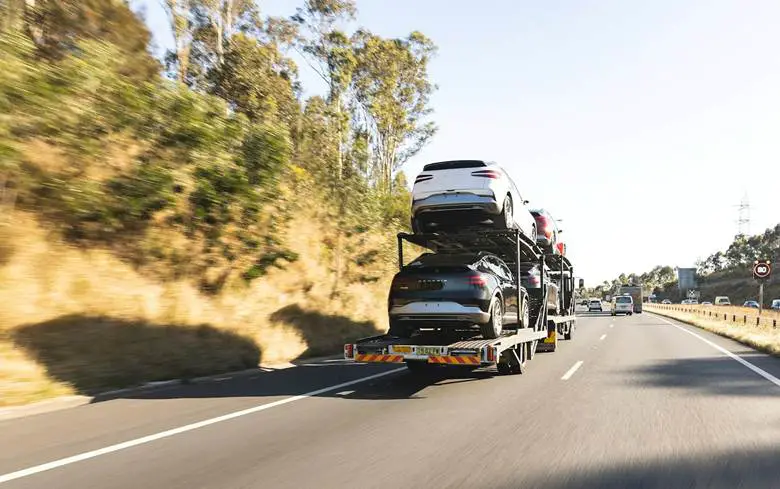
Leasing a car comes with its perks—lower monthly payments, warranty coverage, and the chance to drive something new every few years. But when life takes you across the country, many leaseholders wonder: Can I ship my leased car to my new location? The answer is yes—you absolutely can. In fact, shipping a leased vehicle is a common and often recommended solution for people relocating for work, school, or military service.
Still, there are a few things to know before you arrange transport. Leased vehicles are not technically yours—you’re borrowing them from the leasing company. That means there are rules and requirements that you’ll need to follow to stay compliant with your lease agreement.
Start by checking your lease contract or contacting your leasing provider. Most major leasing companies allow their vehicles to be transported across state lines or even across the country, as long as the car is properly insured and maintained. However, there may be restrictions on international shipping or long-term relocation outside your original lease area, so it’s best to confirm upfront.
You’ll also want to verify who is authorized to release and accept the vehicle. Some leasing companies require the lessee (that’s you) to be present at pickup or delivery, while others allow a third party to handle the process with proper identification and written permission. Ask what documentation is required to ensure a smooth transfer.
When choosing a shipping method, you can go with either enclosed or open car transport. Open carriers are safe and more affordable, making them a solid option for standard leased vehicles. If your lease is for a high-end model or you’re particularly cautious about road wear and weather exposure, enclosed transport offers added protection—though at a higher cost.
It’s also smart to document the vehicle’s condition before shipping. Since leased cars must be returned in good shape at the end of the lease, take detailed photos of the exterior and interior, and keep records of any prior damage or wear. That way, if anything happens during transport, you’ll have clear documentation for both your own records and your leasing company.
Next, make sure to remove all personal items from the vehicle. Not only are personal belongings not covered by carrier insurance, but most transporters won’t accept a vehicle that’s filled with loose items. Empty the trunk and cabin before the carrier arrives.
On pickup day, the driver will complete a Bill of Lading—a condition report and receipt rolled into one. Review it carefully, noting any pre-existing damage, and keep a signed copy for your records. You’ll do the same inspection upon delivery, so any new damage can be addressed immediately.
As for payment, car shipping for a leased vehicle is typically paid out of pocket, unless your employer or relocation company is covering it as part of a move. The leasing company is generally not responsible for transport costs, but you may be able to include the expense in your relocation reimbursement if applicable.
Don’t forget to notify your insurance provider about the move, especially if you’re relocating to a new state. Insurance requirements vary, and you may need to update your coverage or get new proof of insurance to stay compliant with your lease terms. This is also a good time to confirm that your policy covers potential transport-related damage, including to vulnerable parts like windshields.
In the end, shipping a leased car is straightforward—as long as you follow the right steps and communicate clearly with your leasing company and transport provider. It’s a smart way to protect your investment, avoid unnecessary mileage, and reduce stress during a big move.