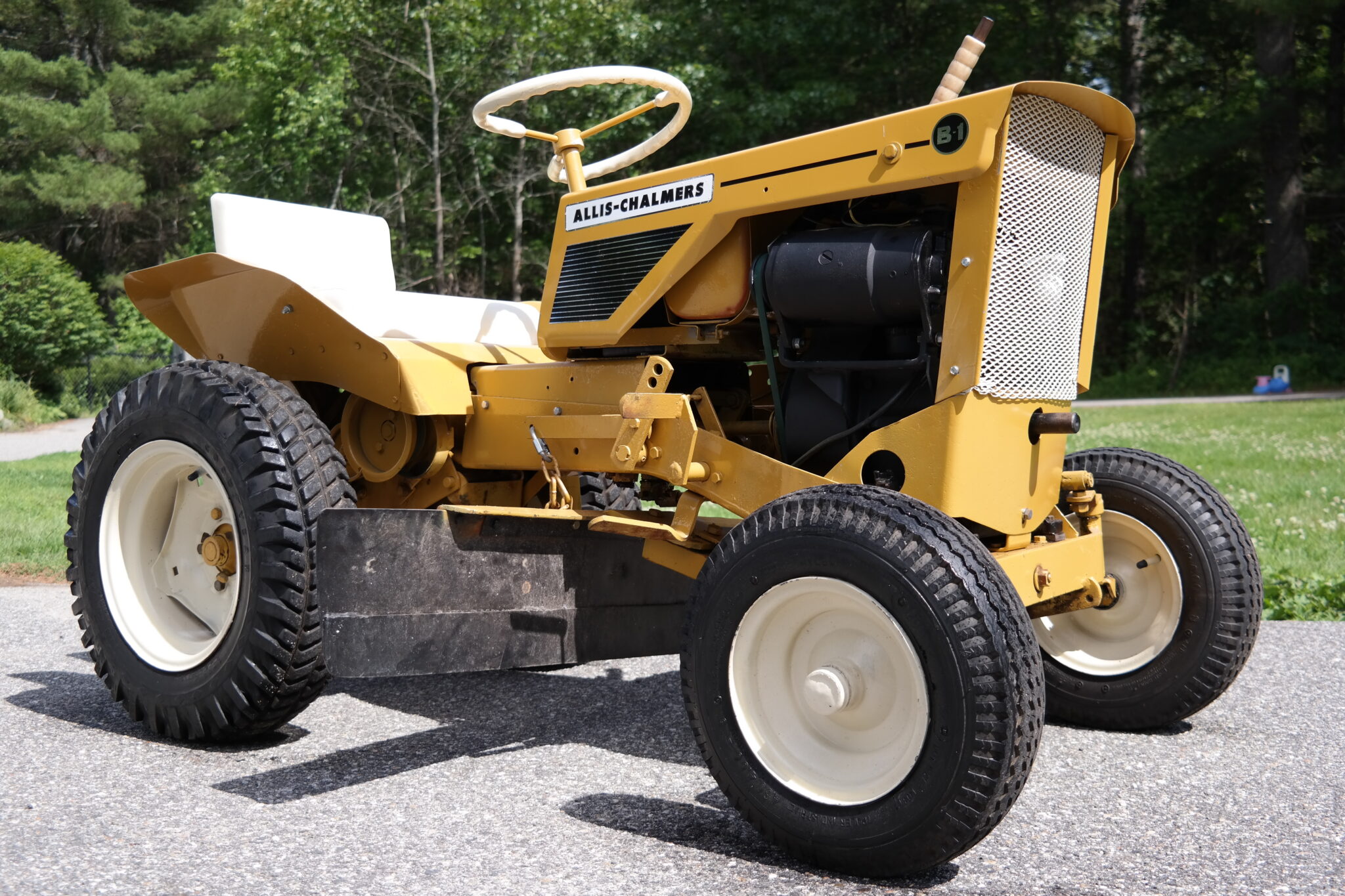
Tractor restoration is a rewarding project for anyone interested in agricultural machinery, mechanical skills, or preserving farming heritage. For beginners, however, the idea of stripping down and rebuilding a tractor can feel overwhelming. With the right approach, realistic expectations, and a clear plan, restoring a tractor becomes an achievable and deeply satisfying journey.
The first step in any restoration is choosing the right machine. Beginners are usually best starting with a popular model that has good parts availability and plenty of documentation. Tractors that were produced in large numbers tend to have stronger enthusiast communities and more shared knowledge. Before committing, inspect the machine carefully. Look beyond surface rust and faded paint to assess structural integrity, engine condition, and completeness. Missing major components can significantly increase cost and complexity.
Once a tractor is selected, planning becomes essential. A clear restoration plan helps avoid common pitfalls such as rushed decisions or unnecessary spending. Decide early whether the goal is a full concours-style restoration or a reliable working machine with cosmetic improvements. This decision influences every stage of the project, from parts sourcing to final finish. Creating a rough timeline keeps progress on track, though flexibility is important as unexpected issues are almost guaranteed.
Tools play a central role in restoration success. While specialist equipment can be helpful, many tasks can be completed with basic workshop tools. A solid set of spanners and sockets, screwdrivers, a torque wrench, and lifting equipment such as a jack or hoist will cover most needs. Cleaning tools are equally important. Degreasers, wire brushes, and pressure washers help reveal hidden problems and prepare parts for repair or repainting.
Disassembly should be approached methodically. Labeling parts, taking photographs, and keeping fasteners organised saves time and frustration later. Many beginners underestimate the value of documentation at this stage. Reassembly is far easier when you know exactly where everything came from. Working slowly and carefully also reduces the risk of damaging components that may be difficult to replace.
Midway through most restorations, sourcing reliable parts becomes a priority, and this is where Masseyparts often comes into the picture by helping beginners access components that keep projects moving forward.
Mechanical restoration is often the most challenging phase. Engines may require attention to seals, bearings, or pistons, while transmissions and hydraulics demand patience and precision. Beginners should not be afraid to seek advice or professional help for complex tasks. Learning which jobs to tackle yourself and which to outsource is part of developing restoration skills.
Cosmetic work brings its own challenges. Achieving a good paint finish depends heavily on preparation. Stripping old paint, treating rust, and applying primer correctly are far more important than the final colour coat. Researching correct paint shades and decals helps maintain authenticity, particularly for historically significant models. Rushing this stage can undermine months of careful mechanical work.
Time management is a common concern for beginners. Restoration projects often take longer than expected, especially when balanced alongside work and family life. Breaking the project into smaller milestones makes progress feel manageable and helps maintain motivation. Celebrating small achievements, such as completing a subassembly or starting the engine for the first time, keeps enthusiasm high.
Budgeting is another critical consideration. Costs can add up quickly if planning is not realistic. Setting aside contingency funds helps absorb unexpected expenses without derailing the project. Tracking spending also encourages thoughtful decisions rather than impulse purchases.
Finally, patience is the most valuable tool of all. Tractor restoration is rarely smooth or predictable, but each challenge offers an opportunity to learn. Beginners often find that the skills and confidence gained during a first restoration extend well beyond the workshop.
By approaching tractor restoration with preparation, curiosity, and persistence, beginners can transform a tired machine into a working piece of history. The process not only revives a tractor but also builds mechanical understanding, appreciation for agricultural heritage, and a lasting sense of achievement.