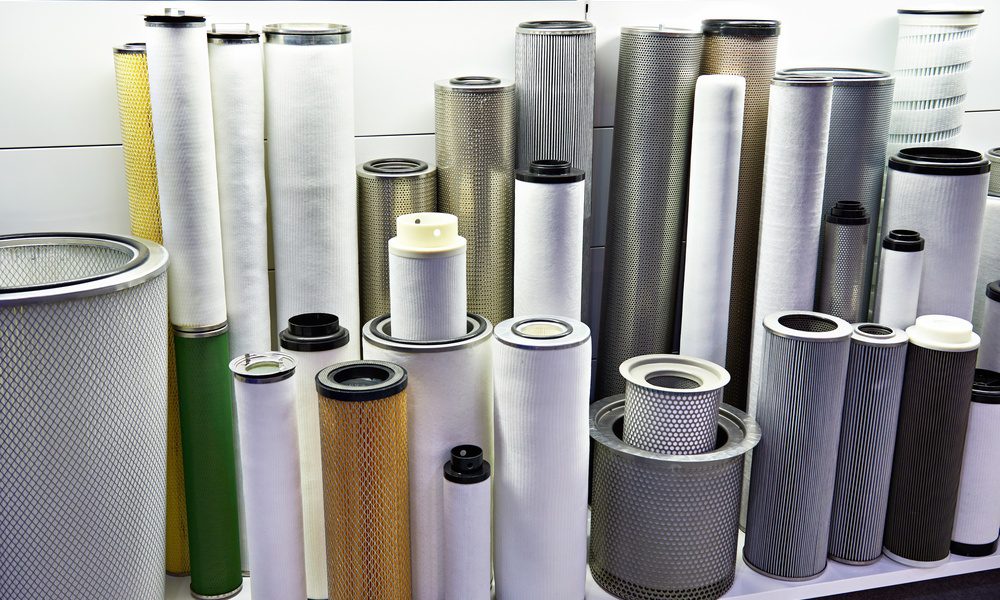
Industrial facilities rely on durable filtration systems to protect equipment, maintain air quality, and support worker safety. Choosing among the top industrial filter media materials requires a clear understanding of how each material performs under different temperatures, particle loads, and chemical conditions. From heavy manufacturing plants to food processing facilities, the right media improves efficiency, reduces downtime, and keeps operations compliant with environmental standards.
Polyester Filter Media
Polyester ranks among the most widely used filter materials in industrial environments. Manufacturers value it for its strength, abrasion resistance, and cost efficiency. It performs well in applications with moderate temperatures and dry dust collection, such as woodworking, metal fabrication, and general manufacturing.
Polyester media also resists stretching and shrinking, which helps maintain consistent filtration performance over time. Many facilities select polyester when they need a dependable, all-purpose solution that balances performance and budget.
Fiberglass Filter Media
Fiberglass media excels in high-temperature environments. It handles extreme heat better than many synthetic materials, making it suitable for power generation, cement plants, and other heavy industrial processes.
This material captures fine particles effectively due to its small fiber diameter. However, fiberglass requires careful handling during installation and maintenance because it can be more fragile than synthetic alternatives. When heat resistance takes priority, fiberglass often becomes the preferred choice.
Polypropylene Filter Media
Polypropylene offers strong chemical resistance, which makes it ideal for applications involving corrosive fumes or moisture. Facilities in chemical processing or pharmaceutical production frequently rely on this material to maintain stable performance in challenging conditions.
In addition to resisting acids and alkalis, polypropylene provides good moisture tolerance. It performs reliably in environments where humidity levels fluctuate or where airborne contaminants contain liquid components.
Aramid and High-Performance Materials
Aramid fibers, often used in high-heat applications, provide exceptional thermal stability and durability. These materials withstand higher temperatures than polyester and polypropylene while maintaining structural integrity.
Other high-performance synthetic blends also serve specialized roles, including environments with extreme heat spikes or abrasive dust. When evaluating these options, buyers should focus on the key specs of industrial air filters, including temperature rating, chemical compatibility, airflow capacity, and dust-holding capability. Matching these specifications to the operating environment ensures long-term performance.
Selecting the Right Material for Your Facility
Each industrial environment presents unique filtration challenges. Temperature range, contaminant type, humidity levels, and airflow requirements all influence material selection. Facility managers should assess operational demands carefully and align them with the strengths of each media type. Understanding the top industrial filter media materials helps decision-makers choose filters that enhance efficiency, extend equipment life, and support consistent air quality across demanding industrial settings.