Sometimes it may seem like cats have consistent personalities throughout the year, but their moods, behavior, and even health can vary depending on the changes in the season. Weather, temperature, and available sunlight can affect their actions and responsible owners should understand how seasons can affect their cat’s behavior. Here are just a few things to watch out for throughout the year that can help you take care of your furry friend.
Winter Brings Increased Sleep and Appetite
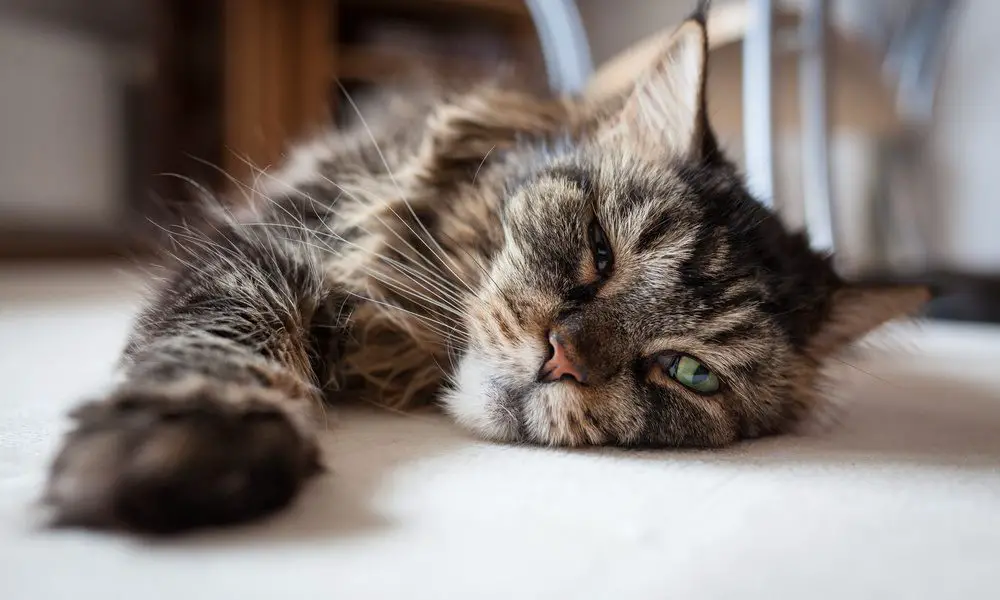
The colder weather and less daylight of the winter hours may noticeably change your cat’s routine. Your cat will likely sleep more in the winter months, possibly spending anywhere from 16-20 hours a day resting. This stems from their wild ancestors’ natural energy conservation methods to help them survive the winter conditions.
Your cat may also show increased appetite during winter. Eating more is a biological response to help them maintain their body temperature and energy. Because they’re eating faster and more regularly, they may also throw up more than usual. Pay attention to this habit and try to gauge when your cat is vomiting at a concerning level. Your cat may gain more weight during this season as they’re eating more and moving around less. Try to provide engaging indoor activities to keep them busy and mentally stimulate them during these colder months.
Spring and Summer Spark Higher Activity Levels
When the seasons warm up and the days get longer, your cat may have more energy than normal. They may become more playful and vocal when spring comes around. The extended hours affects their natural rhythms, making them more alert and social.
Outdoor cats often exhibit stronger hunting instincts during warmer months when prey animals are more abundant. Indoor cats may display similar behaviors by stalking toys more intensely or showing increased interest in window watching.
Seasonal Shedding and Grooming Changes
Another way seasons can affect your cat’s behavior is in how their coat comes in. Their grooming habits will likely change with the seasons. Most cats go through a heavy shedding period twice a year as they prepare for the temperature changes. Spring gives them a change to shed their thicker undercoat while autumn has them shedding to let their winter coat grow in.
Cats often groom themselves more frequently during shedding seasons, which can lead to increased hairball production. Your cat may be more sensitive about physical contact during these heavy shedding periods. Regular brushing during these times helps remove loose fur and reduces the amount your cat ingests while self-grooming.
Recognizing these natural behavioral patterns helps you adapt your cat’s care routine throughout the year. Monitor any dramatic behavioral changes that seem unrelated to typical seasonal patterns, as these might indicate health concerns requiring veterinary attention.