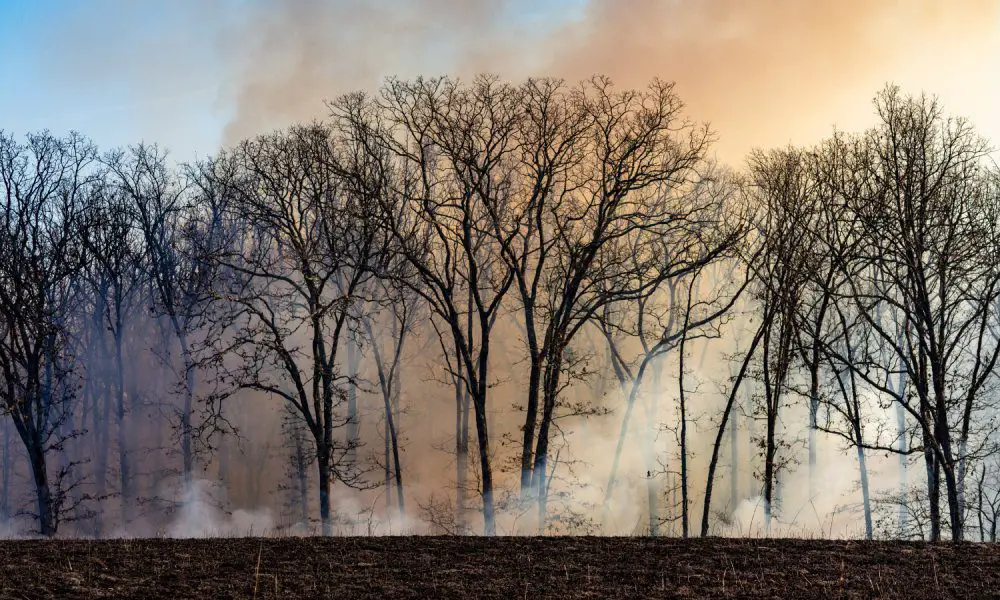
Most people assume that wildfires are exclusively a summer and fall problem. When temperatures drop and precipitation becomes more frequent, the threat seems to disappear.
However, wildfires can and do occur during winter months, catching communities off guard when conditions align. Here are some basics to know about how wildfires are still a risk during the winter.
Factors Influencing Winter Wildfires
Several environmental factors contribute to winter wildfire risks. Low humidity dries out vegetation quickly, even when temperatures remain cool. Dry vegetation becomes highly flammable fuel, especially in regions that experience prolonged periods without precipitation.
Unusual wind patterns significantly amplify these risks. Strong winds can spread embers across vast distances, igniting new fires far from the original source. Additionally, weather trends are changing wildfire behavior, making winter fires more frequent and intense in areas that previously saw minimal activity during colder months.
Where Winter Wildfires Are More of a Threat
The western United States faces the highest winter wildfire risks. California, Nevada, and parts of Colorado experience dry conditions that persist year-round. These states often see dangerous combinations of low humidity, wind, and extended drought periods that create ideal conditions for winter fires.
Southern Plains states also face winter fire threats. Texas, Oklahoma, and Kansas experience dry winters with gusty winds that can quickly turn small ignitions into major blazes. Urban-wildland interface areas in these regions are particularly vulnerable because homes sit adjacent to grasslands and forests.
Prevention Tips
To combat the year-round risk, homeowners can take specific actions to reduce wildfire risks around their properties. Maintaining defensible space by removing dead plants, trimming tree branches, and clearing debris from roofs and gutters helps protect structures. Vegetation clearing reduces wildfire risks by eliminating fuel sources that fires need to spread.
Regular property inspections matter throughout the year. Check that gutters remain clear of leaves and pine needles. Store firewood at least 30 feet from structures. Use fire-resistant materials for roofing and siding when possible, and ensure your vents have proper screening to prevent ember intrusion.
Stay Vigilant Year-Round
The winter months don’t eliminate wildfire threats, particularly in drought-prone regions experiencing shifting climate patterns. Understanding the conditions that enable winter fires helps communities prepare adequately. Taking preventive measures around your property and staying informed about local fire danger levels protects both homes and lives, regardless of the season.