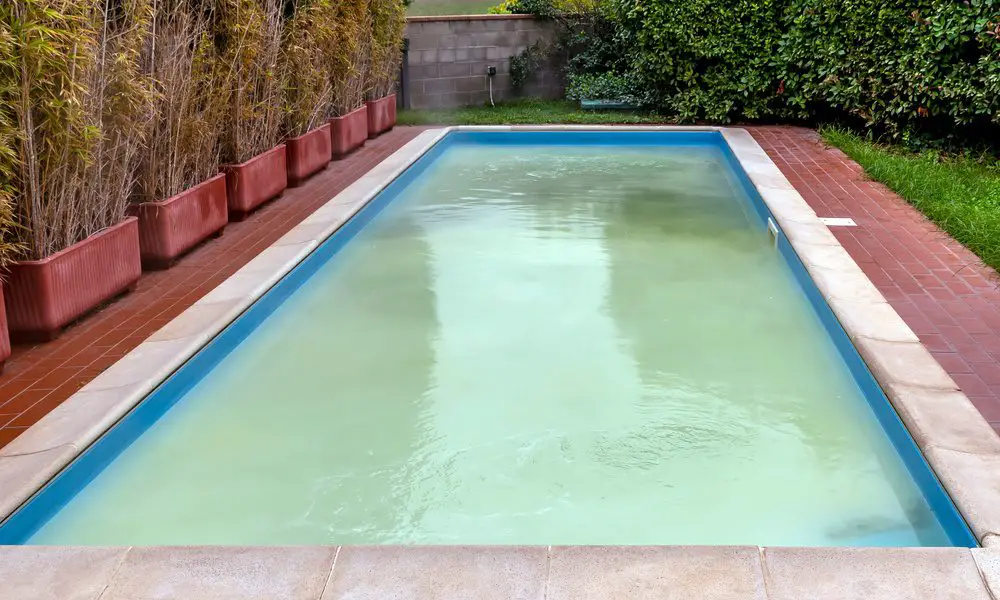
Owning a swimming pool offers endless summer fun, but it also comes with a unique set of maintenance responsibilities. Neglecting the water chemistry or hardware can turn a refreshing oasis into a swampy mess overnight. Learning how to identify and treat common pool issues is the best way to ensure your water remains safe and inviting for your family and friends.
Dealing With Cloudy Water
Murky water is usually the first sign of trouble for pool owners. Low chlorine levels, high pH, or a dirty filter system that isn’t circulating water effectively often cause this lack of clarity. To clear things up, start by testing the water chemistry and balancing the pH and alkalinity levels. If the chemistry looks good, your filter might be to blame. Backwash sand filters or clean the cartridges thoroughly to improve circulation and filtration efficiency and consider using a water clarifier to clump tiny particles together for easier removal.
Combating Algae Growth
If your water turns green, feels slimy, or develops yellow patches on the walls, you likely have an algae bloom. Algae thrives when sanitizer levels drop or when circulation is poor. To combat this, brush the pool walls vigorously to loosen the growth, then shock the pool with a high dose of chlorine to kill the bacteria. Run the pump for 24 hours and follow up with a quality algaecide to prevent the bloom from returning.
Removing Stubborn Stains
Discoloration on the pool floor or walls can be unsightly and frustrating. Determining whether the stain is organic, like decaying leaves, or mineral-based, like iron or copper, is the first step in learning how to get rid of pool stains effectively. Organic stains usually lift with standard chlorine shock treatment and some scrubbing. However, metal stains often require specific stain-removing chemicals like ascorbic acid or a metal sequestrant to lift the discoloration from the liner or plaster.
Troubleshooting Equipment
Unusual noises or poor water circulation frequently signal equipment issues. A humming or grinding pump might just have a clogged skimmer basket, so check that first to ensure water can flow freely. If the water isn’t circulating, check the pressure gauge on the filter; high pressure generally indicates the medium needs cleaning. Regular inspection of O-rings and seals can prevent minor leaks from becoming expensive repairs down the line.
Keep Your Pool Swim-Ready
Keeping a pool in top shape requires consistency, but it doesn’t have to be a burden. By establishing a weekly maintenance routine of skimming, brushing, and testing, you will master how to identify and treat common pool issues before they ruin your swim season.