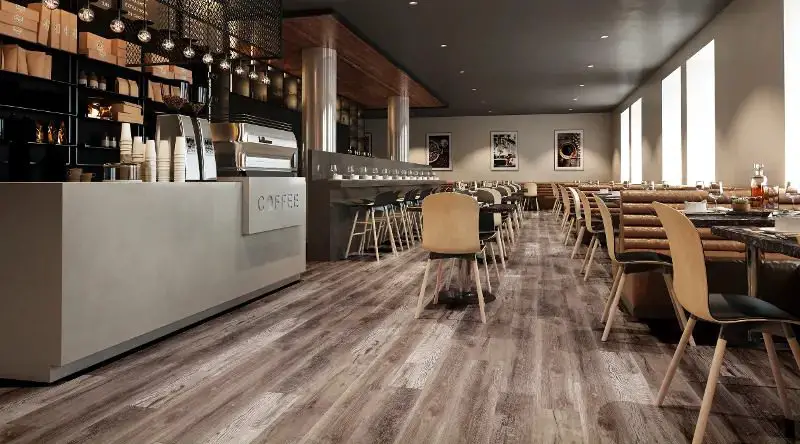
The restaurant industry has evolved rapidly in recent years, with interior design now playing a crucial role in shaping the dining experience. From lighting and furniture to the flow of the space, every element contributes to the atmosphere and the impression it leaves on guests. Among all these details, flooring is one of the most impactful yet often underestimated. It not only defines the visual tone of the restaurant but also bears the brunt of daily wear, spills, and foot traffic. As demands for durability, hygiene, and aesthetics rise, luxury vinyl tile — often known as LVT — has steadily become the flooring of choice for modern restaurant interiors.
Understanding What Makes LVT Different
Luxury vinyl tile stands apart from traditional vinyl flooring due to its advanced multi-layered construction and superior design technology. Whereas standard vinyl sheets were once chosen purely for practicality, LVT brings a blend of resilience and high-end style. It can replicate the look of natural materials such as wood, stone, or ceramic, but with added performance benefits that make it ideal for demanding commercial environments like restaurants.
Each tile or plank typically consists of several layers — a strong wear layer, a photographic film layer for realistic design, a vinyl core for stability, and a backing layer for comfort and sound reduction. This layered structure gives LVT its distinctive strength, warmth underfoot, and longevity, allowing restaurant owners to achieve a refined aesthetic without sacrificing practicality.
The Challenge of Flooring in a Restaurant Environment
Restaurant floors face some of the toughest conditions of any commercial setting. Between constant foot traffic, frequent cleaning, and the potential for spills, the material chosen must balance form and function. The flooring in dining areas needs to look immaculate at all times, while back-of-house zones require safety and slip resistance.
Traditional materials such as wood or natural stone, while beautiful, come with limitations. Wood can warp or stain when exposed to moisture, while stone can be cold, porous, and expensive to maintain. LVT bridges this gap perfectly — it offers the visual appeal of these natural finishes while being far more forgiving in high-use and high-moisture environments.
This combination of style, safety, and practicality has helped luxury vinyl tile secure its reputation as the go-to choice for restaurants of every type, from casual cafés to fine dining establishments.
Aesthetic Versatility for Every Dining Experience
In the world of hospitality, design speaks volumes about brand identity. Whether a restaurant wants to project rustic charm, industrial chic, or contemporary sophistication, flooring plays a vital role in realising that vision. One of LVT’s greatest strengths is its design versatility.
Thanks to advanced printing technology, luxury vinyl tiles can convincingly mimic hardwoods, marble, slate, and even textured concrete. The result is a flooring material that captures the essence of premium finishes at a fraction of the cost — and without their maintenance challenges. For restaurants that frequently update their interiors or operate multiple venues under one brand, LVT provides the flexibility to achieve a consistent aesthetic across all sites.
The ability to mix patterns, finishes, and layouts means LVT can be used creatively to define areas within the restaurant, such as bar sections, dining zones, or walkways. This zoning effect not only adds visual interest but also helps guide customers through the space intuitively.
Durability That Keeps Pace with Business
Restaurants are fast-paced environments where downtime is costly. Flooring must be able to withstand heavy use day after day while maintaining its original appearance. LVT’s robust wear layer is specifically designed for high-traffic areas, protecting against scratches, dents, and scuffs caused by chairs, tables, and shoes.
Unlike many natural materials, LVT is resistant to stains and moisture. Spilled drinks, oils, or cleaning products can be easily wiped away without leaving permanent marks or damage. This resilience is one of the main reasons so many restaurant designers now specify LVT in their plans. Its stability also prevents warping or cracking due to temperature fluctuations — a common issue in environments where doors frequently open to the outdoors or kitchens generate significant heat.
High-quality LVT can retain its visual appeal for well over a decade with proper care, making it an investment that delivers both style and long-term value.
Ease of Cleaning and Hygiene
Cleanliness is a non-negotiable aspect of restaurant operation. Floors must be quick to clean, resistant to spills, and able to withstand frequent mopping and disinfecting. LVT performs exceptionally well in this regard. Its smooth, non-porous surface prevents liquids and bacteria from seeping into the material, making it easy to sanitise.
Unlike wood or stone, which may require sealing or specialist cleaning products, LVT can be maintained with standard cleaning solutions and routine care. This simplicity reduces maintenance time and costs, freeing staff to focus on customer service rather than floor upkeep. For restaurants open from morning until late at night, this reliability is invaluable.
Moreover, many LVT products now incorporate antimicrobial properties within their surface coatings, providing an additional layer of protection against germs and odours. This makes them particularly appealing in today’s hygiene-conscious climate, where customer expectations for cleanliness are higher than ever.
Comfort and Acoustics for a Better Dining Experience
A restaurant’s atmosphere isn’t determined by visuals alone — sound and comfort play a significant part in shaping the dining experience. Hard surfaces like stone or ceramic can amplify noise, creating echoes and an unpleasantly loud environment. LVT, on the other hand, has built-in acoustic properties that help absorb sound, reducing noise levels and creating a more comfortable ambiance.
The flooring’s slight elasticity also improves underfoot comfort. This benefits not only diners but also the staff, who spend long hours standing and walking. Reduced fatigue among employees can improve efficiency and morale, contributing indirectly to better service.
In high-end dining rooms, where the focus is on relaxation and sophistication, LVT’s sound-dampening qualities make it an ideal flooring choice. It allows conversation to flow naturally without the distraction of echoing footsteps or clattering chairs.
Safety and Slip Resistance
Safety in a restaurant setting cannot be overstated. Between kitchen spills, cleaning routines, and unpredictable weather, slip hazards are always present. Many luxury vinyl tiles are designed with slip-resistant textures and finishes, ensuring a secure footing even in busy or damp conditions.
This built-in safety feature is especially valuable in areas that transition between front-of-house and back-of-house, where different levels of foot traffic and floor moisture can increase risk. It provides peace of mind for both staff and guests while helping business owners meet health and safety obligations under UK regulations.
Because LVT is warmer and softer than ceramic or stone, it also reduces the risk of injury in the rare event that someone does fall. This subtle combination of safety and practicality further cements its position as the most balanced flooring solution for hospitality environments.
Cost Efficiency and Ease of Installation
The financial appeal of luxury vinyl tile goes beyond its purchase price. While the initial cost may be comparable to mid-range flooring materials, its durability, minimal maintenance, and long lifespan make it one of the most cost-effective choices in the long term.
Installation is typically faster and less disruptive than with stone or hardwood, which is particularly advantageous in the restaurant industry, where every day of closure can mean lost revenue. LVT can be fitted over most existing subfloors with minimal preparation, and many products use click-lock or adhesive systems that speed up the process even further.
If damage does occur to a section of flooring, individual tiles can be replaced without needing to lift the entire floor — another feature that appeals to restaurant owners who value practicality and flexibility.
Sustainability and Modern Manufacturing
Sustainability has become an important consideration across all industries, including hospitality. Many modern LVT products are produced using low-VOC (volatile organic compound) adhesives and recycled materials, meeting the growing demand for environmentally responsible interiors. Some manufacturers also offer take-back schemes to recycle old flooring once it reaches the end of its life.
Because LVT’s durability reduces the frequency of replacement, it generates less waste over time compared to other short-lived flooring options. For restaurants aiming to promote an eco-conscious brand image, this combination of longevity and sustainability aligns perfectly with modern values.
Meeting the Design Demands of the Future
Restaurant design trends continue to evolve, embracing bold patterns, natural textures, and unique combinations of materials. LVT keeps pace with these trends by offering virtually limitless design possibilities. Advances in printing and embossing technology have made it possible to create flooring that not only looks like authentic wood or stone but also feels like it underfoot.
From weathered oak planks for rustic bistros to sleek marble-look tiles for contemporary fine dining, LVT adapts effortlessly to the desired ambiance. It can even be laid in intricate patterns like herringbone or chevron, traditionally associated with more expensive materials.
This adaptability allows restaurants to refresh their interiors without completely overhauling their design concepts. By simply changing the LVT style or layout, the entire atmosphere of a space can be transformed — a valuable advantage in a competitive market where first impressions matter more than ever.
Why LVT Outperforms Traditional Options
When comparing LVT to natural flooring materials, the advantages are hard to ignore. It offers the beauty of hardwood without the vulnerability to scratches and water damage, the sophistication of stone without the coldness or maintenance cost, and the hygiene benefits of vinyl with far greater visual appeal.
In essence, LVT achieves what many traditional floors cannot — a balance of style, performance, and practicality that meets the modern restaurant’s every need. It allows owners to maintain a premium aesthetic while operating efficiently and safely, something that older flooring solutions often fail to deliver.
The Smart Investment for Modern Restaurants
As competition in the hospitality industry continues to intensify, restaurant owners are looking for ways to create memorable, inviting spaces without compromising functionality. Luxury vinyl tile delivers on every front: durability, safety, comfort, hygiene, and style. It’s a flooring solution that doesn’t just look good on opening day but continues to perform for years, maintaining its integrity even under constant pressure.
The rise of LVT is not a passing trend but a reflection of the evolving standards within the restaurant industry. Today’s diners expect more, and so do business owners. With its exceptional balance of form and function, luxury vinyl tile has proven itself as the top choice for restaurants that want a beautiful floor capable of withstanding the realities of everyday service.
Whether it’s a bustling café, a refined dining room, or a vibrant bar, LVT ensures that the foundation beneath every table and every customer’s step is as reliable and stylish as the food being served.