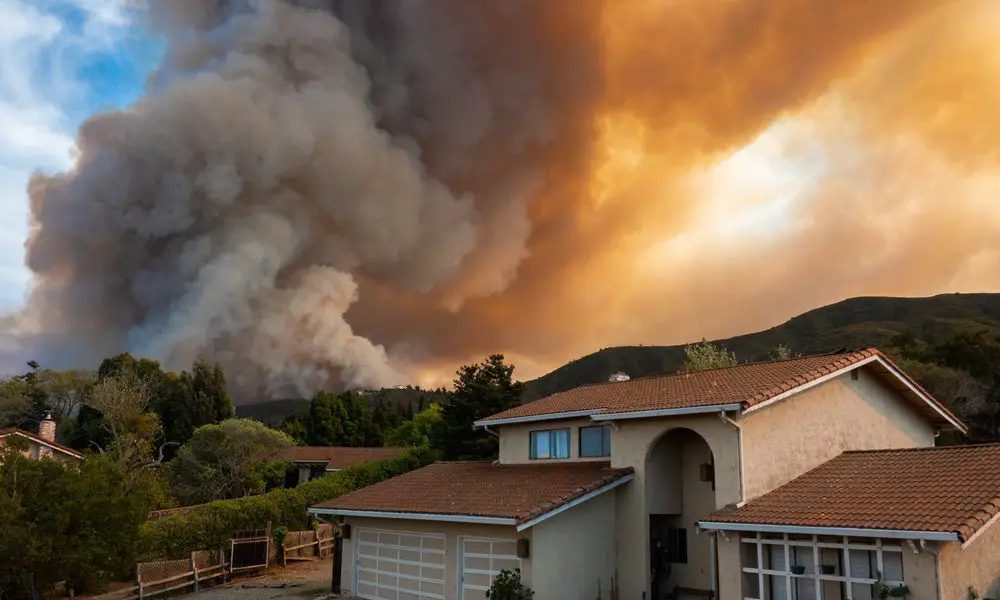
Wildfires are becoming more unpredictable, intense, and frequent. Old assumptions no longer hold true on the fireline, and shifting weather patterns are a major reason why. Firefighters see firsthand how weather trends are changing wildfire behavior—altering how fires ignite, spread, and react to suppression efforts. Understanding these changes is critical to adapting tactics, staying safe, and effectively managing blazes in this new reality.
Rising Temperatures and Longer Fire Seasons
Extended heat waves are drying out fuels faster and more deeply than ever before. This phenomenon stretches the traditional fire season, causing it to start earlier and last longer in many regions. Firefighters now face prolonged periods of high alert, increasing both physical and mental strain as the operational tempo remains high for months.
Low fuel moisture is a game-changer, accelerating both ignition and the rate of spread. This increased flammability means that even areas once considered less risky, such as higher elevations or historically cooler zones, are now more vulnerable. A single spark in these critically dry fuels can quickly escalate into a major incident, demanding rapid and decisive action.
Changing Wind Patterns and Fire Spread
Shifting and erratic wind patterns make fire behavior difficult to forecast. Sudden, strong gusts can drive a fire in unexpected directions, creating fast-moving fronts that can easily overrun containment lines and endanger crews. This volatility requires constant vigilance and the ability to react swiftly to changing conditions.
Strong winds also carry embers far ahead of the main fire, a process known as spotting. This action creates numerous spot fires that can jump natural barriers like rivers and roads, significantly complicating containment efforts. Firefighters must now account for a much wider perimeter of potential fire activity.
Unpredictable Storms and Lightning
Dry thunderstorms, which produce lightning but little to no rain, are becoming more common in fire-prone areas. These storms can ignite multiple fires simultaneously across a large area, overwhelming initial attack resources and leading to complex, large-scale incidents that are difficult to manage.
Fast-moving storm systems introduce another layer of unpredictability. They can abruptly alter a fire’s direction or dramatically increase its intensity with little warning. This rapid change poses a significant threat to crews on the ground, making it challenging to plan and execute safe tactical operations.
Adapting to a New Normal
To address how weather trends are changing wildfire behavior, crews are adjusting their strategies. They are refining lookout protocols, modifying shift schedules to combat fatigue, and enhancing situational awareness. Technology, particularly real-time weather monitoring and predictive modeling, has become an indispensable tool in the modern firefighting arsenal.
The increased volatility of modern wildfires has also elevated the need for flexible, rapid-response assets. Understanding the importance of aerial support in wildland firefighting is crucial, as air tankers and helicopters provide the adaptability required to respond to quickly changing conditions on the ground.
Evolving the Fireline
Changing weather is not just a forecast issue; it is reshaping the reality of the fireline. For firefighters, this new environment demands continuous education, readiness, and a commitment to evolving tactics and gear. Situational awareness and flexibility are no longer just best practices; they are essential for survival and success.