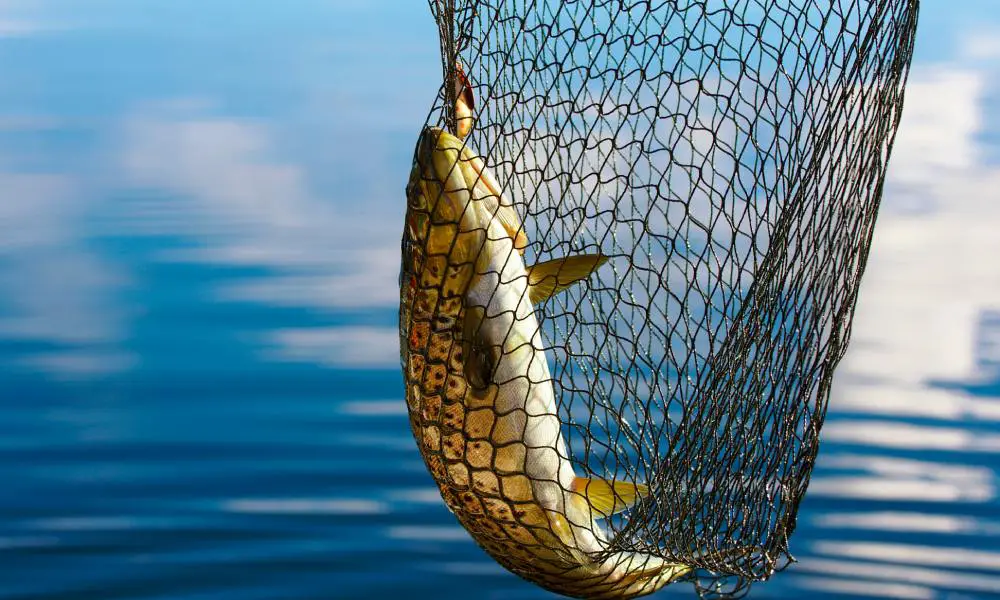
Understanding the health of aquatic ecosystems often begins with a fundamental question: How many fish are there, and what kinds? Answering this requires specific methods and equipment. Professionals rely on specialized tools for fish population surveys. Fisheries biologists and environmental scientists use these tools to gather accurate data to inform conservation efforts and management decisions. These surveying instruments vary based on the type of water body, the target species, and the survey’s objectives.
Netting Techniques
One of the most traditional methods for sampling fish populations involves using various types of nets. Fyke nets, with their long wings that guide fish into an enclosed trap, are effective in shallow, calm waters like lakes and slow-moving rivers.
For deeper, open waters, researchers often deploy gillnets. These hang in the water column like a curtain, capturing fish of a certain size as they swim through. Seines, which are long nets with weights on the bottom, are dragged through a section of water to encircle and collect fish.
Electrofishing Technology
Another widely used method is electrofishing. This technique involves passing a controlled electrical current through the water to temporarily stun fish, making them easy to net and collect.
Getting started with electrofishing requires more than just the right equipment. It demands a solid grasp of safety protocols, species handling, and site-specific strategies. Once fish are collected, biologists can measure, weigh, and identify them before releasing each one unharmed back into its natural habitat.
Hydroacoustic Surveys
For surveying large, deep bodies of water like oceans or the Great Lakes, hydroacoustics offers a noninvasive solution. This technology uses sonar to send sound waves through the water. When these waves bounce off fish, the system’s receiver detects the echoes.
Smart software then analyzes these signals to estimate fish abundance, size, and distribution without ever physically capturing the animals. This method is particularly useful for tracking large schools of fish.
Mark-Recapture Studies
Mark-recapture is a common statistical approach surveyors use to estimate population size. In this method, the professionals capture a group of fish, tag them, and then release them back into the water.
Later, another sample is collected, and the ratio of marked to unmarked fish in the second sample helps researchers calculate the total population. The tags can range from simple fin clips to advanced electronic transmitters that also track movement and behavior.
The tools professionals use for fish population surveys are windows into aquatic life that would otherwise remain hidden. Each technique opens up new possibilities for understanding how fish communities thrive or struggle over time. With the right tools in hand, scientists can turn fleeting glimpses into lasting knowledge that shapes how we care for our waterways.