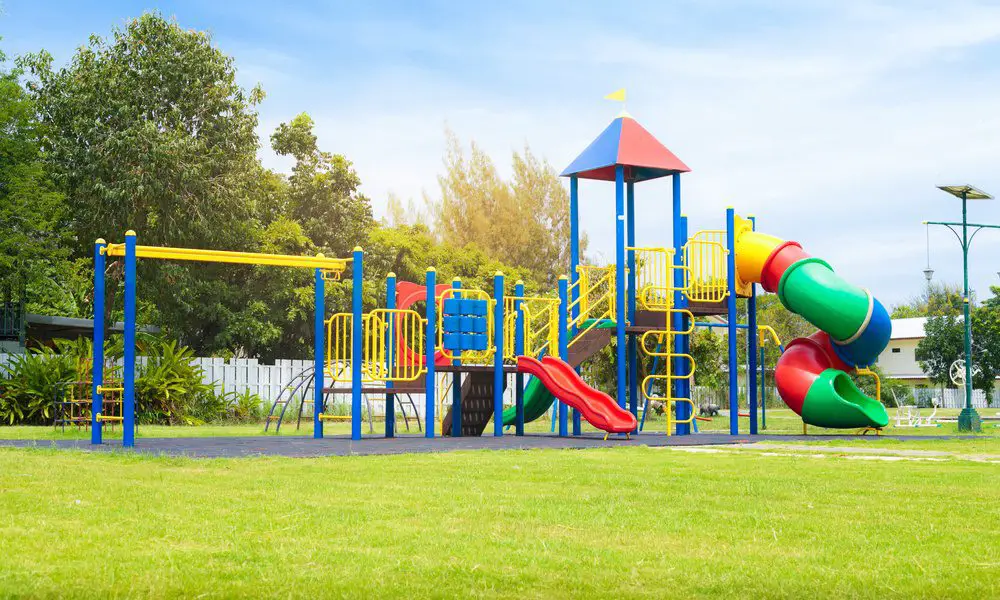
A school playground should be a place of joy, laughter, and imaginative play. However, without proper oversight, it can quickly become a source of preventable injuries. Keeping playground equipment safe and well-maintained is a critical responsibility for any school. This guide provides five practical tips to help you establish a consistent inspection and maintenance routine for your playground, protecting both the children and your investment in the play space.
1. Conduct Regular Visual Inspections
One of the most effective ways to identify potential problems early is to perform regular visual inspections of the entire playground area. Walk through the space at least once a week, specifically looking for obvious hazards.
Check for broken or missing equipment parts, litter such as glass or sharp objects, and any signs of vandalism. This simple habit allows you to spot and address minor issues before they develop into more significant safety risks.
2. Check for Hardware Integrity
The nuts, bolts, and other hardware that hold playground equipment together can loosen over time due to constant use and exposure to weather. During your inspections, physically test the stability of guardrails, handles, and connecting components.
Look for signs of rust or corrosion on metal parts, which can weaken their structure. Tightening loose hardware and replacing corroded pieces right away keeps the equipment structurally sound for active play.
3. Maintain Protective Surfacing
Protective surfacing, such as wood chips, rubber mulch, or poured-in-place rubber, is vital for absorbing impact and reducing the severity of fall-related injuries. Routinely check that the surfacing material is at the correct depth, especially in high-traffic areas like under swings and at the bottom of slides.
Rake loose-fill materials to maintain proper coverage and top them up when they become compressed or displaced. Proper care is key to extending the lifespan of your playground’s surfacing and keeping it effective.
4. Address Wear and Tear Promptly
Playground equipment naturally shows signs of wear from daily use. Pay close attention to common issues like splintering wood, cracked plastic, or frayed ropes on climbing structures.
When you identify these problems, take immediate action to repair or replace the damaged parts. A proactive approach to repairs not only prevents injuries but also helps you avoid more costly fixes down the line.
5. Verify Proper Signage
Clear and visible signage communicates important rules and safety information to children and supervisors. Verify that signs indicating age appropriateness, playground rules, and contact information for reporting issues are clearly visible and legible. Make sure you replace faded or damaged signs so that everyone using the playground understands how to do so safely.
By integrating these five tips into a regular maintenance schedule for the school playground, you can create a safer environment for students to play and thrive. A well-maintained playground is a cornerstone of a happy and healthy school community.