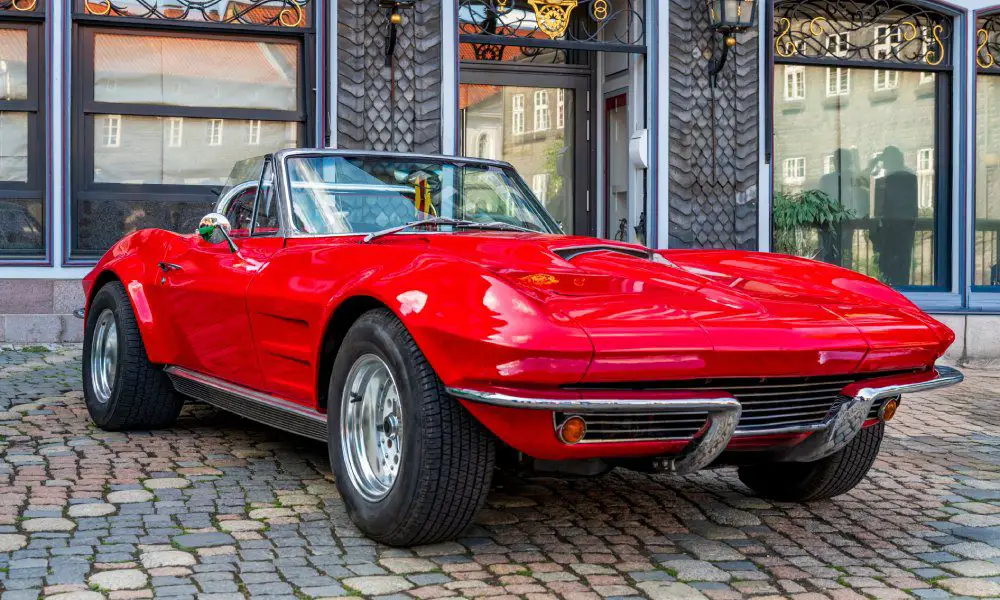
Owning a classic car brings a special kind of joy. These vehicles connect us to a different era and stand out on modern roads. Proper classic car care keeps these automotive treasures in top condition.
To help, we have identified five things you should never do to a classic car. Following these antique auto maintenance tips helps preserve your vehicle’s character and value for years to come.
Let It Sit Unprotected
Leaving your classic car exposed to the elements can cause damage over time. Sunlight fades paint and cracks upholstery, rain and humidity cause rust, and bird droppings or sap can damage the finish. To protect it, use a high-quality, breathable cover that shields it from dust, debris, and moisture.
For optimal results, select a cover that is specifically designed for your car’s model. However, the ultimate protection for a classic car is a climate-controlled garage, which safeguards it from extreme temperatures and humidity, helping preserve both the exterior and interior components.
Skip Regular Maintenance
This statement highlights the maintenance needs of classic cars. It emphasizes that, unlike modern vehicles, their parts may deteriorate in unique ways and require more regular fluid checks.
Neglecting regular maintenance can cause more serious, expensive problems later on. Many vintage vehicle guides highlight the importance of a consistent check-up routine.
Use the Wrong Cleaning Products
Modern car cleaning products often contain harsh chemicals. These substances can strip wax, damage delicate paint, and harm the chrome and rubber seals common on classic cars. Always use products specifically formulated for vintage vehicles. Soft microfiber towels and gentle soaps will keep your car looking its best without causing harm.
Ignore the Fuel System
When a classic car sits for long periods, the fuel can degrade. Old gasoline can turn gummy, clogging fuel lines and carburetors. This leads to poor engine performance and costly repairs.
Before you store your vehicle, ensure you fill the tank and add a fuel stabilizer. This prevents the fuel from breaking down and keeps the system clean. Knowing how to prepare your classic car for storage can make a significant difference when you’re ready to hit the road again.
Modify It Irreversibly
Although personalizing your car can be appealing, permanent modifications may reduce its worth. Collectors and enthusiasts prioritize originality. Alterations like cutting into the body, swapping the engine for a newer one, or altering the interior can complicate restoring the vehicle to its factory state. If you’re considering upgrades, opt for modifications that are simple to undo.
Owning a classic car is a rewarding experience. By avoiding these common mistakes and knowing what not to do to a classic car, you protect your investment and keep your piece of automotive history in beautiful condition.