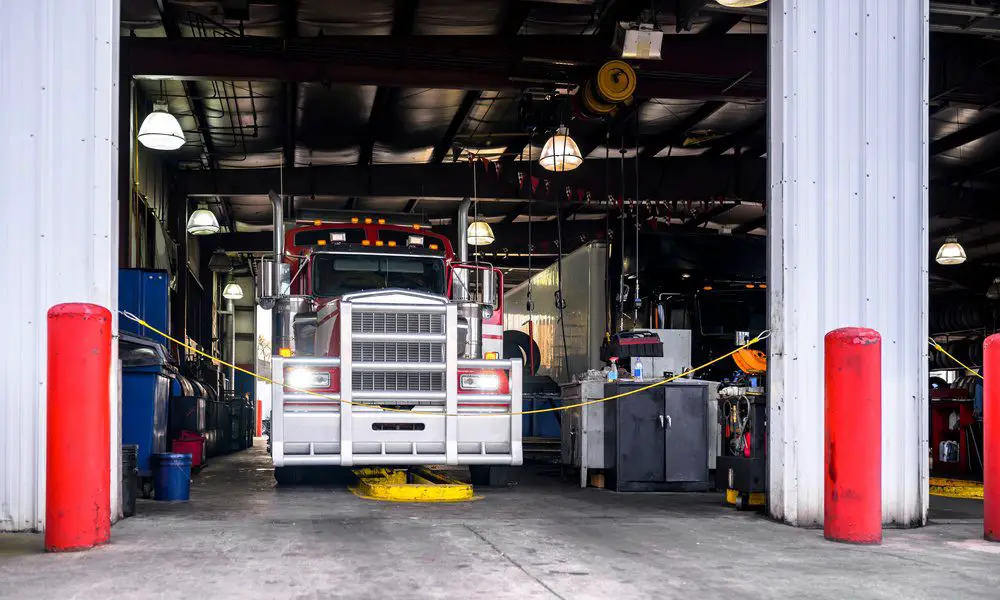
Running a truck repair shop comes with its own set of challenges. You deal with tight schedules, complex vehicles, and customers who expect fast, reliable service. Improving your shop doesn’t require a massive overhaul. Applying these strategies offers simple ways to improve your truck repair shop and boost efficiency every day.
Buy the Right Tools
Modern trucks have complex systems, and using outdated or low-quality equipment slows repairs. Tools such as diagnostic scanners, quality wrenches, lifts, and truck-specific specialty tools make the work more accurate and comfortable. Likewise, ensure you choose the right heavy-duty truck jack based on the types of vehicles you work on. If you generally see heavy semi-trucks, you’ll need a heavy-duty jack that can securely lift them.
Focus on the tools you use most and prioritize upgrades for high-frequency repairs or precision parts. Budgeting for worn tools or adding new ones improves workflow and helps your team provide faster, more reliable service
Train Your Team Continuously
Mechanics need ongoing training to keep up with new truck models, electronics, and repair techniques. Offering regular workshops, manufacturer certifications, or online courses keeps skills sharp and knowledge current. A well-trained team spots issues faster, applies the correct repair methods, and reduces repeat work.
Training also builds confidence. When your staff knows the latest procedures and diagnostic processes, they perform more efficiently and can troubleshoot problems independently. This saves time for everyone and increases customer satisfaction without adding stress to the shop floor.
Organize Your Shop Efficiently
Another tip for improving your truck repair shop is to keep everything organized so workers don’t waste time searching for tools or parts. Arrange workstations logically and keep frequently used tools and equipment within easy reach. Shelving, labeled bins, and clear work zones help your team maintain speed and safety while reducing mistakes.
Daily or weekly cleaning routines keep clutter under control, while small adjustments to tool placement or inventory layout make tasks easier. Organized workflows help mechanics move efficiently between jobs and keep the shop running without delays.
Focus on Customer Service
Clear communication shapes customer experience. Explain repair needs and timelines in simple terms and provide customers with updates when delays occur. Transparency in pricing and services builds trust and encourages repeat business.
Good customer service also includes follow-up. Checking in after a repair or confirming satisfaction strengthens relationships and signals that your shop values more than just completing the job. Customers notice when staff treat their vehicle and their time with respect.
Use Digital Management Tools
Shop management software helps efficiently track appointments, invoices, and parts inventory. These tools reduce human error and streamline scheduling. Specific software, such as cloud-based systems, lets you access information quickly, keeping the business organized.
Digital tools provide reports on jobs, revenue, and workflow trends that help identify bottlenecks and adjust how tasks move through the shop. The right software keeps the team coordinated while making daily operations easier and more organized.