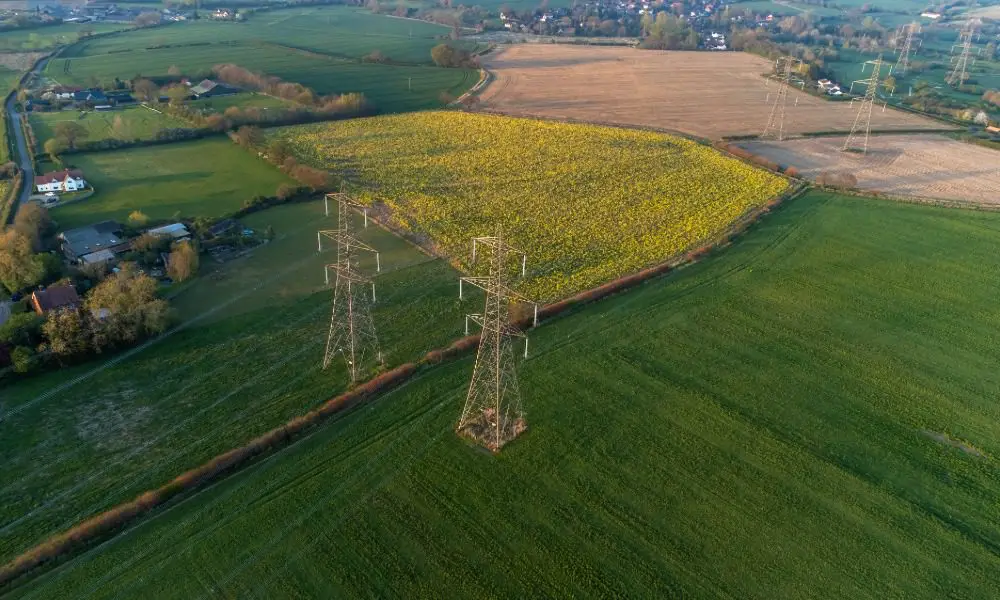
Remote regions demand thoughtful planning to keep electricity flowing consistently. Long distances between homes, farms, and towns create unique logistical challenges. Crews must manage terrain, weather conditions, and limited infrastructure at every stage.
Let’s explore what it takes to maintain reliable power in remote regions and how strong planning ensures communities stay connected despite the challenges.
Building Durable Infrastructure for Harsh Environments
Reliable power begins with strong infrastructure designed for extreme conditions. Engineers choose materials that withstand snow, high winds, and seasonal flooding. Durable poles, insulated wiring, and reinforced substations improve long-term system stability. Every design decision aims to reduce outages and simplify maintenance.
Remote locations also require infrastructure that remains serviceable with limited access. Crews must reach equipment using trucks, off-road vehicles, or sometimes helicopters. Durable installations reduce how often teams must travel long distances for repairs. This approach lowers operational costs while protecting service reliability.
Preventing Outages With Consistent Maintenance
Routine maintenance plays a critical role in maintaining reliable electricity. Utility crews inspect lines, trim vegetation, and test equipment throughout the year. These proactive steps prevent small problems from turning into widespread outages. Consistent monitoring also improves safety for technicians and residents.
Weather events still create risks even with strong maintenance programs. Snowstorms, lightning, and heavy winds can damage lines or equipment quickly. Rapid response teams help restore service as soon as possible. Communities rely on these trained professionals to keep systems running during emergencies.
The Unique Operational Hurdles Utilities Face
Operating electrical systems in remote regions requires strong coordination and resource management. Power providers must balance infrastructure investments with the needs of smaller populations. Technicians often travel long distances to repair a single line or transformer. These realities increase operational complexity compared to urban utilities.
Many providers also navigate the ongoing challenges for rural electric cooperatives when serving remote customers. These organizations often maintain vast networks while working with smaller customer bases. Long transmission lines increase maintenance costs and inspection time. Despite these obstacles, cooperatives continue to deliver reliable service to rural communities.
Community Partnerships Support Reliable Service
Reliable power in remote regions depends on strong collaboration between utilities and communities. Residents play an important role by reporting outages or damaged lines quickly. Local partnerships also support infrastructure projects that expand or strengthen service. Communication keeps everyone informed during maintenance work or storm recovery.
Community awareness also improves safety around power equipment. Educational programs help residents understand how to avoid electrical hazards. Utilities often host outreach events to explain maintenance projects or upgrades. These efforts build trust while supporting long-term service reliability.
Reliable Power Keeps Remote Communities Thriving
Understanding what powers reliable electricity in remote regions supports daily life, economic activity, and public safety in remote regions. Strong infrastructure and consistent maintenance keep these essential services running smoothly.
Utilities continue to adapt as technology improves and communities grow. New tools allow providers to monitor systems more effectively across large areas. Strategic investments strengthen power networks for future generations. With careful planning and collaboration, remote communities can enjoy dependable electricity for years to come.