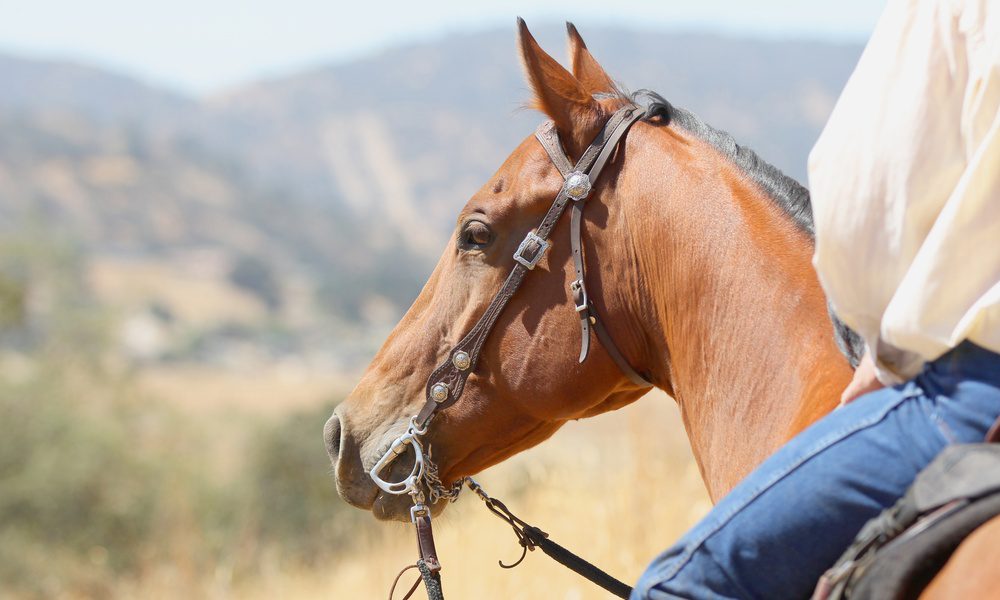
If you’re asking why your horse seems off after a short trail ride, start by looking at what changed between saddling up and walking back in. A horse doesn’t need ten miles to come home short-strided or irritated, especially on uneven footing. Many riders expect the signs to look dramatic, yet horses often show the first clue in smaller ways, like a tighter turn or a sour face at the lead rope. Those shifts usually point toward one body part, one piece of tack, or one trail condition that asked too much.
Read the Walk Back
The walk back to the trailer tells you plenty, if you slow down and watch. Is your horse landing toe first on one foot? Stepping short behind? Drifting through the shoulder, or swinging the hindquarters on a turn? Each behavior offers a stronger clue than just a vague feeling.
Some horses also pin their ears when you snug the lead or brace when you ask them to stand square. Those details help you check one sore spot, one stiff joint, or one movement pattern, rather than a blaming attitude.
Check the Tack Right Away
Take the tack off and read the evidence right away, before sweat dries and hair settles back into place. Look for a dry patch under one side of the saddle, heat around the withers, rubbed hair behind the shoulder, or a pad line that sits crooked.
If the horse flinches when you brush one spot, try taking a look at the signs that your horse’s saddle pad fit isn’t right. If the same short trail ride keeps ending with the same rub, same pinned ears at saddling, or same tight step afterward, you’ve got a repeat problem.
Match It to the Ground
Next, match what you saw to the ground your horse covered. A short ride over a side slope or a creek crossing often loads the body unevenly, so one careful trip downhill may bother a sore back more than a longer ride on flat footing. Pick out the feet, check for heat, and run your hand down the legs after you untack. The ride may be short, but if the footing requires constant balance corrections, the problem may come from effort, not distance.
Use Recovery to Narrow It Down
Your best answers to why your horse seems off after a short trail ride often show up in the first few minutes after the ride, not during it. Notice whether your horse drops its head to eat, drinks like usual, keeps shifting weight, or snaps the tail when you touch the ribs. Those small recovery details help separate plain tiredness from real discomfort. Keep a simple note on your phone and document what felt off, then compare the next few rides for repeats.