Renovating your home is an exciting opportunity to refresh outdated spaces, improve functionality, and increase property value. Whether you are updating a kitchen, finishing a basement, or tearing down walls to create an open-concept layout, planning is everything. While most homeowners focus on design choices and budgets, there is one critical step that should never be overlooked: asbestos testing before home renovation.
Asbestos may be out of sight, but it should never be out of mind. Before any demolition or remodeling begins, understanding the risks and taking proper precautions can protect your health, your family, and your investment.
Understanding What Asbestos Is
Asbestos is a naturally occurring mineral that was widely used in residential construction materials throughout much of the twentieth century. Builders valued it for its strength, fire resistance, and insulating properties. It was commonly found in insulation, floor tiles, ceiling tiles, roofing shingles, siding, textured paint, and even certain adhesives.
Although asbestos was heavily restricted in the late 1970s, many homes built before the 1980s still contain asbestos-containing materials. In some cases, even homes constructed later may include products made with remaining stock or imported materials.
The danger of asbestos lies in its fibers. When materials containing asbestos are disturbed, tiny fibers can become airborne. These fibers are invisible to the naked eye and can be inhaled without immediate symptoms. Once inside the lungs, they can cause serious health problems over time.
Why Asbestos Testing Is Essential Before Renovation
Home renovations often involve cutting, drilling, sanding, or demolishing existing materials. If asbestos is present, these activities can release hazardous fibers into the air. Without proper testing beforehand, homeowners may unknowingly expose themselves, their families, and contractors to significant health risks.
Asbestos-related diseases, including mesothelioma, lung cancer, and asbestosis, typically develop after prolonged or repeated exposure. However, even short-term exposure during a renovation project can increase risk. The effects may not appear for decades, making prevention especially important.
Testing before renovation allows you to identify whether asbestos is present and where it is located. With this information, you can make informed decisions about how to proceed safely. Skipping this step could lead to contamination of your home, costly remediation, and long-term health consequences.
Common Areas Where Asbestos May Be Found
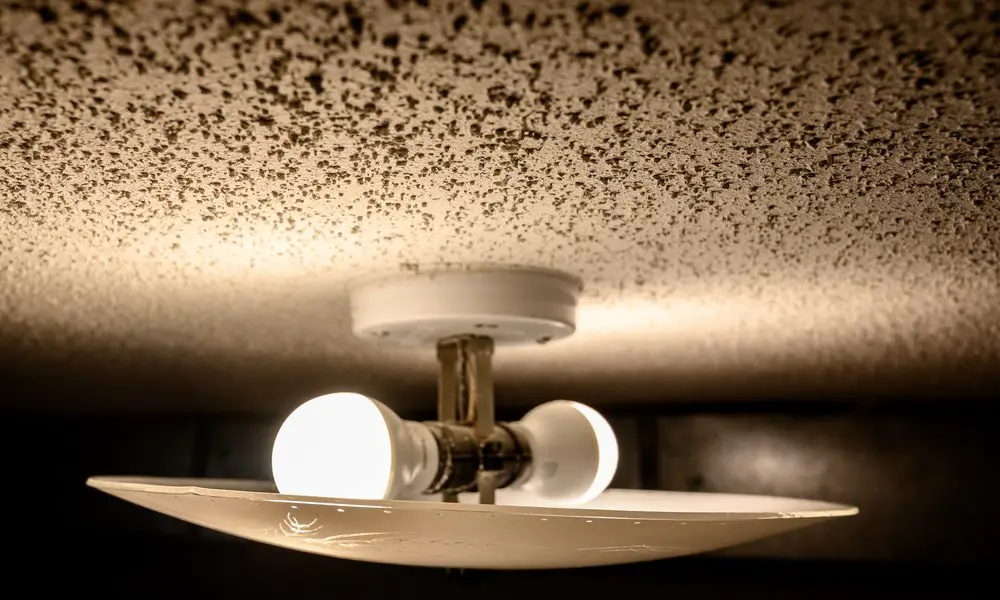
Residential homeowners are often surprised to learn how many areas of a house may contain asbestos. Flooring materials such as vinyl tiles and the adhesive beneath them were commonly manufactured with asbestos for durability. Popcorn ceilings and textured wall coatings in older homes may also contain asbestos fibers.
Insulation is another major concern. Vermiculite insulation, often found in attics, has been linked to asbestos contamination. Pipe insulation and duct wrapping in older basements are also frequent sources.
Exterior materials are not exempt; cement siding, roofing shingles, and soffit boards may contain asbestos. Even certain cement pipes and old HVAC components can pose a risk.
Because asbestos fibers cannot be identified by sight alone, professional testing is the only reliable way to confirm its presence.
The Health Risks of Disturbing Asbestos
One of the most important reasons to conduct asbestos testing before renovation is to protect your health. When asbestos-containing materials remain intact and undisturbed, they may pose little immediate risk. Problems arise when these materials are cut, broken, or sanded.
Disturbing asbestos releases microscopic fibers into the air. Once inhaled, these fibers can lodge in the lungs and remain there for years. Over time, they can cause scarring and inflammation, leading to serious respiratory diseases.
Mesothelioma, a rare and aggressive cancer, is strongly associated with asbestos exposure. Lung cancer and asbestosis are also linked to inhaling asbestos fibers. These conditions often take decades to develop, meaning exposure during a single renovation project can have lifelong consequences.
For families with young children, the stakes are even higher. Children have many years ahead of them during which asbestos-related illnesses could develop. Preventing exposure today helps safeguard their long-term health.
How Asbestos Testing Works
Professional asbestos testing is a straightforward process, but it must be conducted carefully. A certified inspector will assess the home and identify materials that may contain asbestos. Small samples are then collected using specialized techniques designed to minimize fiber release.
These samples are sent to an accredited laboratory for analysis. The lab determines whether asbestos is present and, if so, in what concentration. Results typically guide the next steps in your renovation plan.
It is important to avoid attempting to collect samples yourself. Improper sampling can release fibers and contaminate your living space. Hiring a trained professional ensures accurate results and safe handling.
Proper Removal and Abatement Procedures
If testing confirms the presence of asbestos, proper removal is essential. Asbestos abatement is not a typical DIY project; there are many reasons why you don’t want to tackle something like asbestos removal on your own. Licensed professionals follow strict safety protocols to prevent fiber release and protect occupants.
The removal process often involves sealing off the affected area with plastic sheeting and creating negative air pressure to contain airborne particles. Workers wear protective clothing and specialized respirators to prevent inhalation. Materials containing asbestos are carefully removed, sealed in approved containers, and transported to designated disposal facilities.
After removal, air quality testing is typically conducted to ensure that fiber levels are within safe limits before reoccupying the space. This final verification provides peace of mind that the home is safe for renovation work to continue.
Attempting to remove asbestos without proper training and equipment can spread contamination throughout the home. Hiring certified abatement professionals protects both your health and the structural integrity of your property.
Planning Renovations with Safety in Mind
If your home was built before the 1980s, asbestos testing should be one of the first steps in your renovation planning process. Even minor projects such as replacing flooring or updating a bathroom can disturb hidden materials.
Communicate openly with contractors about your home’s age and request documentation of asbestos testing before demolition begins. Responsible contractors understand the risks and will prioritize safety.
Budgeting for testing and potential abatement is a wise move. While it may add to upfront costs, it prevents unexpected delays and expenses later in the project.
By addressing asbestos concerns early, you can move forward with confidence, knowing that your renovation is built on a foundation of safety.
Protecting Your Home and Family for the Long Term
Home improvement projects are meant to enhance comfort and value, not introduce hidden dangers. Asbestos testing before renovation is a crucial step that protects your household from serious health risks and financial burdens. Taking the time to conduct proper asbestos testing demonstrates responsible homeownership. It reflects a commitment to safety, health, and long-term peace of mind.
Before you pick up a sledgehammer or call in demolition crews, consider what might be hidden behind the walls and beneath the floors. A simple test today can prevent serious consequences tomorrow, making asbestos testing an essential part of any successful home renovation plan.