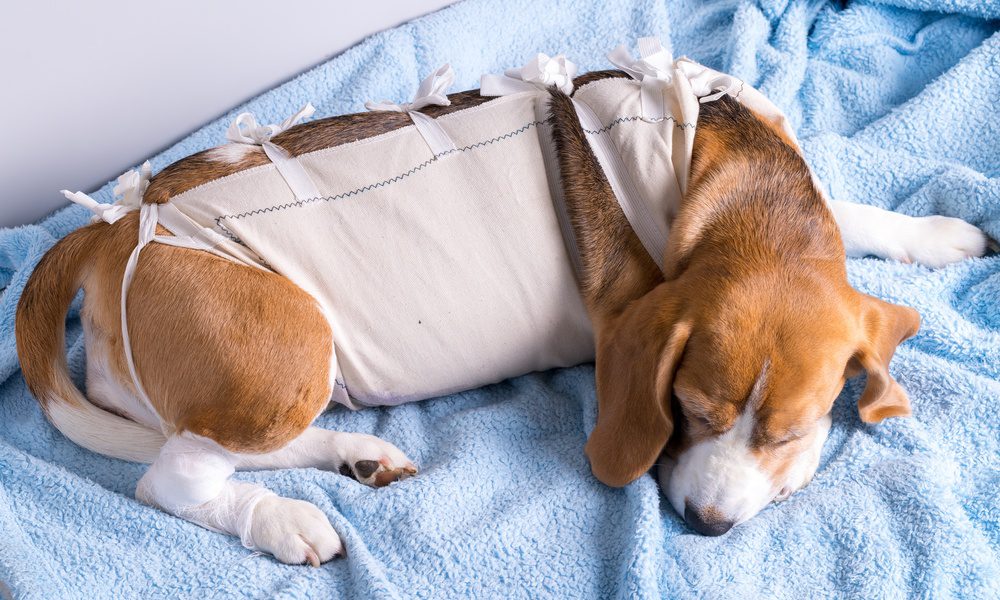
Dogs seem tough. They shake things off, keep moving, and act as if nothing happened. But what most people don’t know about dog recovery is that healing takes more than just time. Small details can have a bigger impact than most expect.
Here are five facts that might change how you see your dog’s recovery.
1. Rest Means More Than Staying Still
Recovery isn’t just about avoiding running or jumping; it also involves maintaining a calm state of both the body and mind. Excitement and excessive stimulation can hinder the healing process, making it difficult for a dog to rest.
For instance, a dog that reacts strongly to noise or visitors may find it hard to settle down, even if it isn’t physically active. Creating a quiet environment, sticking to a consistent routine, and limiting overall activity are important measures to support your dog’s healing and recovery.
2. Dogs Rarely Show Pain Clearly
Dogs often hide discomfort. Many continue eating, walking, and acting normal even when something feels wrong.
Instead, the signs show up in subtle ways:
- Eating less than usual
- Sleeping more or avoiding activity
- Moving stiffly
- Losing interest in toys
Spotting these changes early helps prevent setbacks. Proper pain management supports a smoother recovery.
3. Nutrition Matters More Than Expected
Healing requires energy and proper nutrition. Dogs need specific nutrients to repair tissues and preserve their strength effectively. Protein plays a crucial role in muscle regeneration, while healthy fats can help reduce inflammation and support overall health. Adequate hydration is essential for maintaining optimal bodily functions.
During recovery, some dogs may benefit from short-term dietary adjustments. Even minor changes in their diet can contribute to improved healing outcomes.
4. Some Problems Need More Than Medication
Not every issue heals on its own; some conditions involve damage that the body cannot fully repair without assistance.
In such cases, soft-tissue surgery can be an effective option for resolving chronic problems in dogs, especially when muscles, ligaments, or internal structures fail to heal properly on their own. Veterinarians often recommend this approach when other treatments have proven ineffective.
5. Recovery Timelines Can Surprise You
Many people expect steady progress during recovery, but in reality, healing often fluctuates from day to day. Factors such as age, breed, and overall health all play a role in how quickly a dog heals.
Younger dogs tend to recover more rapidly but may engage in riskier behaviors, while older dogs generally heal more slowly but progress at a steadier, more consistent pace.
That unpredictability is part of what most people don’t know about dog recovery. Progress does not always follow a straight path.
Small Choices Shape Recovery
Recovery relies on consistent daily habits. A peaceful environment, adequate nutrition, and attentive care are all essential. When these elements align, dogs don’t just recover—they resume normal life with fewer complications and improved long-term health.