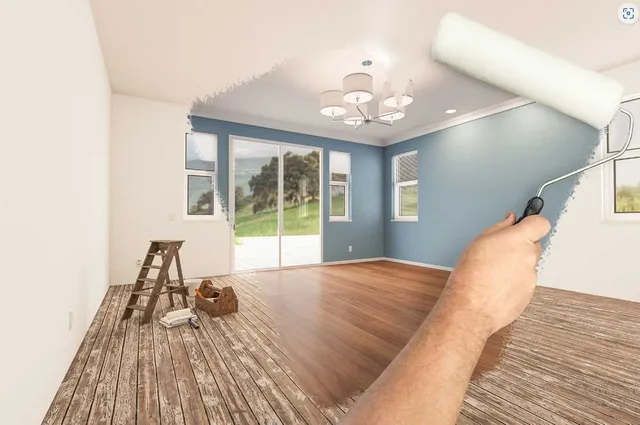
Tenant expectations are rising, building codes are tightening, and many rental properties are aging. What once felt like optional improvements now involve serious legal, financial, and safety implications. Renovations are no longer just about appearance—they influence liability, insurance coverage, and long-term property value.
Each decision involves difficult trade-offs. Some upgrades improve efficiency or prevent health risks, while others are required to avoid fines or insurance claim denials. Outdated wiring, foundation wear, or aging HVAC systems can lead to costly emergencies if left unaddressed. Landlords must weigh the risks and potential benefits before making any move.
Insurance Pitfalls Landlords Overlook When Delaying Property Upgrades
Delaying property improvements can trigger costly complications with insurance coverage. Claims may be denied if damage appears linked to long-term neglect. A slow-developing roof leak or deteriorating foundation can shift a claim from acceptable to rejected. Lack of timely action reduces the likelihood of reimbursement.
Insurance policies tied to older buildings frequently include depreciation clauses, adding layers of complexity. Delayed upgrades may weaken protection, especially when policy language lacks clarity. Routine inspections and prompt repairs reduce the risk of disputes. In storm-prone regions, a hurricane damage lawyer can provide valuable guidance during the claims process.
Code Violations and Permit Risks That Derail Renovation Projects
Landlords sometimes overlook local building codes when rushing into renovations. Skipping permits might seem like a shortcut, but the result can be steep fines. Tighter enforcement from municipal offices now increases the risk of setbacks. Unapproved work often gets flagged during inspections, causing project stoppages and delays in completion.
In coastal areas, the rules are even tougher. Renovations must meet updated codes designed to address flooding and severe storms. Some jurisdictions now require raised foundations or structural designs that can withstand high wind pressure. Failure to follow updated code requirements may result in steep fines or orders for demolition. Careful research into local rules and securing necessary permits early in the process can help avoid major setbacks.
Tenant Safety Risks That Turn Into Legal Liability for Property Owners
Faulty features in rental homes pose direct risks to occupants. Loose handrails or unstable stairs significantly raise the likelihood of injury, particularly during emergency evacuations. Cracked floorboards, deteriorating balconies, or sagging ceilings can signal deeper structural problems that may escalate into legal action, as landlords are legally obligated to provide housing that meets basic safety standards.
Outdated HVAC systems and hidden leaks in walls contribute to poor air quality and temperature control. Moisture buildup and blocked ventilation cause respiratory issues that affect tenant health. Lawsuits and enforcement actions may result when preventable risks lead to tenant illness or injury. Frequent inspections and prompt upgrades reduce exposure to liability and help maintain a secure, habitable environment.
Tax and Loan Incentives That Offset Upgrade Costs but Go Unused
Many landlords miss out on money-saving programs that can help with renovation costs. For example, Section 179 tax deductions let landlords write off the cost of improvements right away, which makes investing in upgrades more affordable. The benefit applies not just to repairs—it includes improvements that increase energy efficiency or indoor comfort.
Cities and counties often offer low-interest loans to support weather-proofing or eco-friendly upgrades. Some insurance companies also lower premiums if renovations are documented and meet certain standards. Keeping detailed records during projects can help landlords qualify for these programs and save money.
Cash Flow Disruptions That Result From Delayed Upgrade Planning
Waiting too long to make property improvements can cause serious money problems. Emergency fixes usually cost more than planned upgrades. For instance, ignoring a roof problem might turn into a full-blown crisis that eats up cash. Unexpected expenses from urgent repairs can disrupt the budget and pull resources away from other essential priorities.
Further complications often follow. A major repair that requires tenant relocation can leave rental units unoccupied for weeks, leading to lost income and disruptions to long-term financial planning. Proactive upgrade planning reduces the chance of unexpected disruptions and supports steady day-to-day operations.
Property upgrades serve as a shield against rising repair costs, legal exposure, and lost rental income. Delays often turn minor problems into major setbacks, leading to denied insurance claims or emergency spending. Early improvements help maintain stability across operations, from tenant retention to long-term financial planning. Available tax breaks, low-interest loans, and premium discounts can ease the burden when approached with a clear plan. Consistent attention to building condition supports safer living environments and fewer costly surprises. Forward momentum in maintenance and compliance builds a stronger foundation for future growth, allowing owners to stay prepared in an increasingly demanding market.