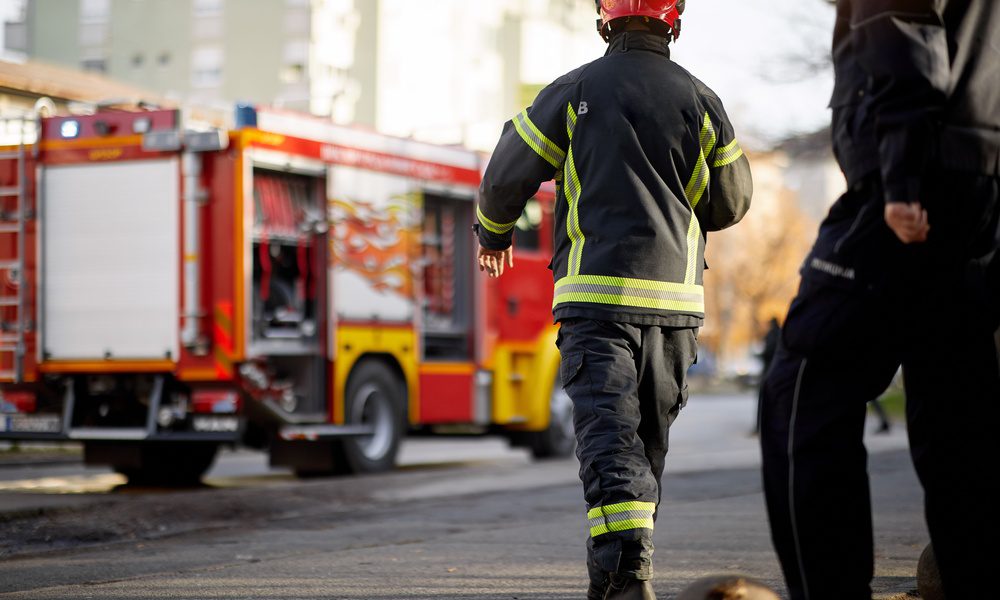
Fire trucks look tough for a reason. They carry heavy equipment, handle tight schedules, and navigate traffic when crews can’t afford delays. Still, even the strongest apparatus can show subtle signs before a larger repair issue develops.
That’s why these five fire truck warning signs crews should know matter during everyday checks. A quick look after a call or during a washdown can help crews notice problems that might affect safety, response time, or water delivery.
1. A Small Leak Near the Tank
A tiny drip may not look like much at first. On a fire truck, though, water loss can indicate tank damage, fitting issues, or stress around a seam.
Crews should check for wet spots beneath the tank, streaks around fittings, or water levels that drop faster than usual. These clues can help teams detect potential damage to fire trucks early, preventing tank problems from impacting readiness.
A leak also deserves attention because fire apparatus often carry large amounts of water. Even a slow drip can turn into a larger problem if crews miss it for too long.
2. Warning Lights That Flicker or Lag
Emergency lights and sirens help fire trucks move through traffic with greater visibility. If a light flickers, a siren cuts out, or a switch responds slowly, crews should flag the problem.
Electrical issues can come from loose connections, worn switches, weak batteries, or damaged wiring. A truck may still start and drive fine, but unreliable warning equipment can create road safety concerns.
3. A Pump That Won’t Hold Pressure
A fire truck’s pump has one job that crews need to trust: move water when they need it. If the pressure jumps, drops, or fails to hold steady, crews should pay close attention.
Common clues can include:
- Slow priming
- Strange pump sounds
- Weak discharge
- Unusual gauge readings
- Water flow that changes without a clear reason
Pump trouble can show up during training, testing, or an active call. Crews should write down what happened and share the details with maintenance staff.
4. Brakes That Feel Different
Fire trucks carry serious weight, so brakes need to feel consistent. If a truck takes longer to stop, pulls to one side, or makes new noises during braking, crews should report it right away.
The same goes for steering and tire changes. Uneven tire wear, low air pressure, or a new vibration can affect how the truck handles on tight roads or crowded scenes.
5. Rust in the Wrong Places
A little surface rust may seem normal on older apparatus, but crews should watch where it appears. Rust near steps, brackets, compartments, or framing areas can indicate wear that needs a closer look.
Loose hardware also matters. Rattling panels, doors that won’t latch cleanly, or shifting brackets can create problems during travel and on scene.
Why Crews Should Pay Attention
These five fire truck warning signs crews should know all come back to one simple idea: small changes can tell a bigger story. A fire truck doesn’t need to look brand-new, but it does need to stay ready.
Crews don’t have to diagnose every issue themselves. They can help by noticing leaks, listening for new sounds, checking visible parts, and reporting changes before those problems grow.