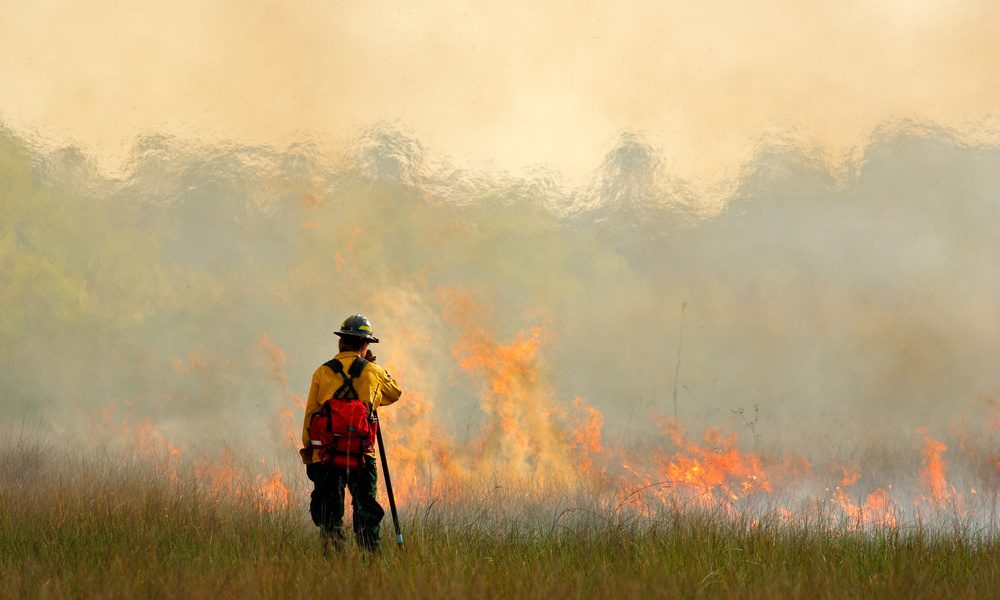
Wildfires can happen in many parts of the country, but some areas face them far more often than others. Dry weather, strong winds, dense vegetation, and long stretches of heat can turn a small spark into a fast-moving emergency. People often think of wildfires as a western problem, but several regions across the U.S. deal with serious fire risk.
Knowing where wildfires happen most often can help homeowners, travelers, and communities prepare. It can also help people understand why fire safety, defensible space, and evacuation planning deserve attention long before smoke appears on the horizon.
California
California sees some of the most well-known wildfires in the country. The state has dry summers, rugged terrain, heavy brush, and strong seasonal winds. Areas in Northern California, Southern California, and the Sierra Nevada foothills often face high fire danger.
Communities near forests, canyons, and grasslands need to stay alert during hot, dry months. Many California residents clear vegetation, harden homes, and monitor evacuation alerts because fire conditions can change quickly.
Oregon and Washington
The Pacific Northwest has forests that can fuel large fires when heat and drought dry out trees and underbrush. Oregon often faces wildfire activity in central, southern, and eastern regions. Washington also sees fires east of the Cascade Mountains, where dry landscapes and wind can help flames spread.
While these states have rainy seasons, summer heat can dry vegetation fast. Wildfire seasons are changing, and communities in the Northwest now plan for smoke, evacuations, and fire restrictions more often than they once did.
Colorado
Colorado’s mountains, foothills, and grasslands create several fire-prone areas. Dry air, lightning, high winds, and beetle-damaged trees can increase fire danger. Wildfires can threaten homes near mountain communities, especially where neighborhoods meet wooded land.
Colorado residents often think about fire mitigation as part of mountain living. That can include trimming trees, moving firewood away from homes, and keeping driveways accessible for emergency crews.
Arizona and New Mexico
The Southwest deals with intense heat, dry landscapes, and seasonal winds. Arizona and New Mexico both see wildfires in forests, desert grasslands, and mountain areas. Lightning during the monsoon season can also start fires, especially when storms bring little rain.
These states often face fast-moving grass fires as well as larger forest fires. Rural communities, ranches, and recreation areas all need strong fire awareness during dry periods.
Texas and Oklahoma
Texas and Oklahoma may not always come to mind first, but both states experience serious wildfire activity. Grasslands, high winds, drought, and extreme heat can create dangerous fire conditions. Texas faces fire risk across many regions, from the Panhandle to Central Texas.
Oklahoma often sees wildfires move quickly across open land. Wind can push flames across fields, roads, and fences, which makes early reporting and fast response important.
Preparedness Starts Early
Top places in the U.S. that experience wildfires share one thing in common. Conditions can shift fast. No matter which state you live in, preparation helps reduce risk.
Clear dry vegetation, follow local burn rules, keep emergency supplies ready, and know your evacuation routes. Wildfires don’t wait for a convenient time, so a little planning now can make a stressful day easier to handle later.