Compressed air plays a vital role in modern construction projects. From powering equipment to supporting site operations, it helps crews work efficiently in demanding environments. Understanding how construction sites use compressed air highlights why contractors rely on this versatile power source throughout many stages of a project.
Powering Pneumatic Tools
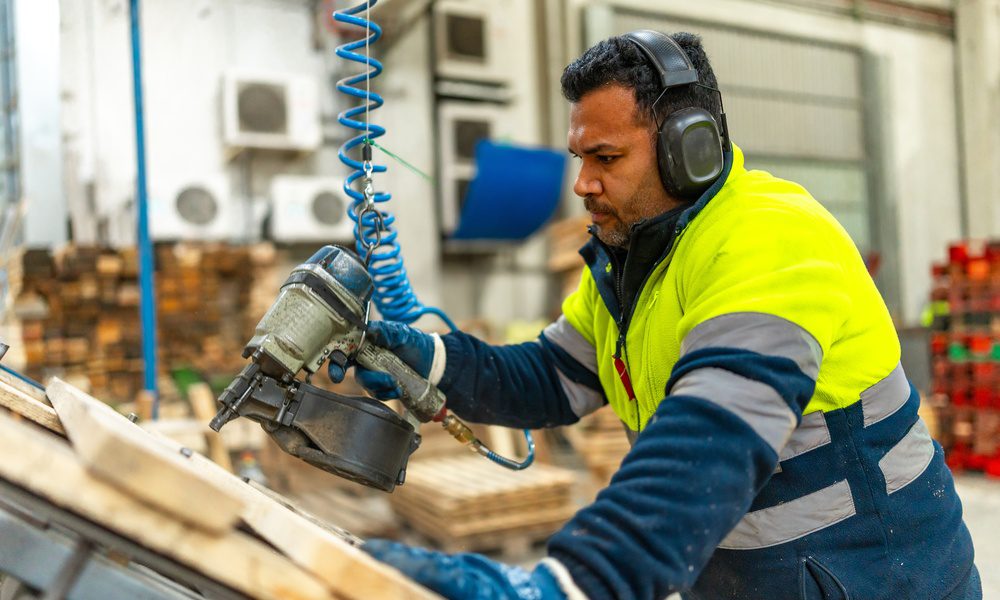
One of the most important applications of compressed air on construction sites is operating pneumatic tools. Air-powered drills, jackhammers, nail guns, and impact wrenches deliver reliable performance without requiring electric motors at the point of use. Contractors often choose these tools because they provide strong power output while reducing concerns about electrical hazards in challenging conditions.
Compressed air systems also allow workers to move tools easily across large job sites. By connecting equipment to an air supply, crews can maintain productivity in areas with limited electrical access.
Supporting Concrete and Masonry Work
Construction teams frequently use compressed air during concrete and masonry operations. Air-powered breakers help remove old concrete, while pneumatic hammers assist with demolition and surface preparation. Workers also use compressed air to clean forms, remove debris, and prepare surfaces before pouring fresh concrete. These applications help maintain efficient workflows and keep work areas ready for the next phase of construction.
Operating Heavy Equipment Systems
Many pieces of construction equipment rely on compressed air for specific functions. Air systems can support braking mechanisms, control systems, and auxiliary equipment on larger machines. Reliable compressed air helps operators maintain control and perform tasks safely during daily operations. Because construction environments place significant demands on machinery, dependable air systems contribute to consistent performance across a wide range of equipment.
Cleaning and Site Maintenance
Keeping a construction site clean improves efficiency and supports safe working conditions. Compressed air provides a practical method for removing dust, dirt, and loose material from equipment and work surfaces. Workers often use air nozzles to clear debris from machinery and prepare tools for continued use. Cleaning applications represent one of the most common uses for industrial air compressors because they allow crews to maintain equipment without interrupting project schedules for extended periods.
Assisting Specialized Construction Tasks
Certain construction activities require precise air pressure for specialized equipment. Sandblasting systems, coating applications, and underground utility work often depend on compressed air to function properly. Contractors can adjust air pressure levels to meet the specific requirements of each task, helping achieve consistent results throughout the project. The flexibility of compressed air makes it suitable for many job site conditions and project types.
Meeting Job Site Demands With Compressed Air
Understanding how construction sites use compressed air demonstrates its importance across a wide range of construction activities. Whether powering pneumatic tools or enabling specialized operations, compressed air remains an essential resource that helps construction teams complete projects efficiently and effectively.