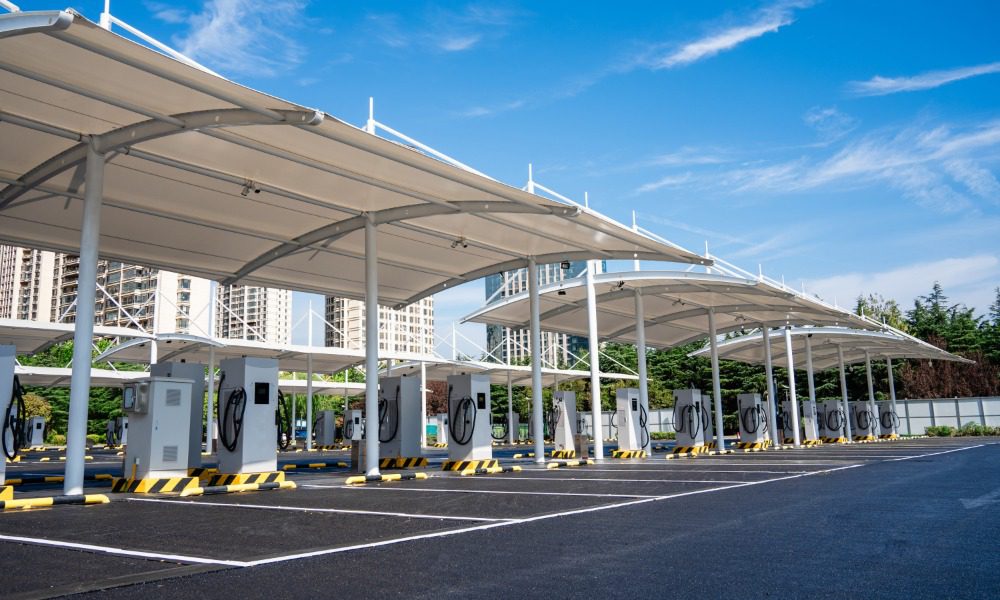
Electric vehicle chargers have become an increasingly visible feature at commercial and residential properties, trying to accommodate changing transportation habits. Their environmental value, however, depends on more than installing charging equipment and adding an EV symbol to a parking space. The infrastructure needs to serve the people who actually use the property.
Determining when EV charging supports a greener property therefore starts with the building itself. Charging demand and parking patterns can reveal whether drivers have a practical need for the infrastructure, while electrical conditions influence how well the equipment fits the property. Looking at those factors alongside wider sustainability goals can distinguish a useful environmental investment from an installation with little purpose.
Start With the Transportation Need
Before deciding what charging equipment belongs on a property, owners need a realistic picture of who would use it. An office where employees park throughout the workday creates different charging needs from a retail property where customers may stay for less than an hour. Residential buildings introduce another pattern because vehicles may remain parked overnight.
Looking at those habits keeps the project connected to actual transportation needs. Current EV ownership among regular property users can provide some insight, while anticipated changes in tenant or customer demand may justify planning for additional capacity. A property does not need enough chargers for every possible future driver on the first day.
Fit Charging Into the Property’s Sustainability Plan
Installing chargers makes more sense when transportation electrification complements environmental work already happening throughout the property. A building that wastes large amounts of electricity does not suddenly become sustainable because drivers can plug in outside. Owners considering eco-friendly property development can place EV infrastructure within that broader picture, allowing charging to complement building-efficiency improvements while addressing the environmental effects of transportation.
Looking at several property systems together can improve project timing as well. A planned parking renovation could create an opportunity to prepare spaces for chargers, while upcoming electrical work may determine how easily the property can support new equipment. Coordinating projects can reduce the chance of reopening recently completed areas or redoing infrastructure when charging enters the planning process too late. Considering transportation needs during other improvements can make EV infrastructure part of the property’s development plans instead of an isolated addition.
Let Parking Time Shape the Charging Decision
Once a property has established a genuine need for charging, the amount of time vehicles typically remain parked becomes an important design consideration. Drivers who leave their cars at an office for eight hours have a very different relationship with charging speed than travelers stopping briefly during a longer trip. The amount of energy drivers need during a typical visit matters more than pursuing maximum charging speed by default.
Match Charging Speed to Actual Use
Choosing between DC fast charging and Level 2 charging should begin with how people actually use the property. Faster equipment can make sense where drivers need substantial charging during short visits, while longer parking periods provide more time for vehicles to gain useful range. Starting with typical dwell time gives the equipment decision a practical basis.
Matching equipment to those habits can prevent a property from committing resources to capabilities its users seldom need. A site where cars remain parked for hours does not necessarily gain more environmental value simply by supplying energy as quickly as possible. Charging that fits normal parking behavior can serve drivers without making them reorganize their routines around equipment that does not suit the location.
Account for the Building’s Energy Demands
Because vehicle charging introduces another source of electricity consumption, existing electrical conditions deserve consideration before a property adds new equipment. Some properties may have adequate capacity for the planned installation, while others may need upgrades before adding a substantial new load. Examining existing consumption gives owners a useful baseline for making those decisions because a building with large fluctuations in electricity use presents different conditions from one with relatively predictable demand.
Along with considering how much electricity chargers will consume, property owners should look at when vehicles are likely to draw that power. Several cars charging while the building already faces high electrical demand may affect the property differently from vehicles charging gradually during quieter periods. Energy-management tools may give some sites greater control over charging schedules, particularly when drivers leave their cars parked long enough to provide flexibility. EVs eliminate tailpipe emissions while driving, but owners should still consider charging electricity within the property’s broader energy use and any existing renewable energy plans.
Build for Realistic Growth
Demand for charging may increase as electric vehicles become more common among the people who live, work, or spend time at a property, but preparing for that possibility does not require installing the largest system available immediately. An initial project can account for future expansion by considering whether the electrical design or physical layout would make additional chargers difficult to add.
Because actual charging patterns can evolve in unexpected ways, owners may find that future demand differs from their original projections. One parking area might experience greater charging activity than another, or usage patterns could shift as tenants and other property users change. Leaving some flexibility in the original design gives owners room to respond to demonstrated needs without committing resources according to predictions that may not reflect future behavior.
Extend the Useful Life of the Infrastructure
Beyond accommodating changes in demand, designing infrastructure for a longer useful life can strengthen the environmental case for flexibility. A poorly located charger or a system that cannot adapt to changing use may require substantial modification long before the surrounding property does. Equipment that continues serving the site as demand changes can reduce premature replacement and the additional materials associated with it. Planning for realistic growth therefore means creating room to adapt without building excessive capacity before anyone needs it.
Judge the Charger by What It Enables
Although visible green features can attract attention, the environmental value of EV charging ultimately depends on what the infrastructure allows people to do. A well-planned installation gives drivers a practical opportunity to use electric transportation within routines they already follow. Matching that infrastructure with demonstrated demand can make the investment useful without treating the presence of chargers as proof that the entire property has become sustainable.
Evaluating when EV charging supports a greener property therefore means looking beyond the charger itself and considering how transportation needs connect with the building around it. When charging capacity suits the way people use the site and the added electricity fits the property’s existing systems, the infrastructure can support a larger environmental strategy. The goal is not to install the most powerful or visible equipment available, but to create charging infrastructure that serves a genuine transportation need and continues doing so as the property evolves.