Industrial operations depend on reliable equipment and well-organized processes to maintain consistent production. Even a minor disruption can affect an entire facility and create unexpected expenses. When production stops without warning, your team may struggle to meet deadlines and maintain customer satisfaction.
Unexpected delays rarely occur without an underlying cause. Many develop from operational problems that receive little attention until they become serious enough to interrupt production. A minor mechanical defect or an overlooked procedure can gradually affect the performance of an entire facility.
Understanding what causes unexpected delays in industrial operations can help you recognize potential problems before they become expensive setbacks. With a proactive approach, your facility can maintain dependable production and respond more effectively when unexpected challenges arise.
Equipment Failures That Interrupt Production
Industrial machinery operates under demanding conditions, and mechanical components naturally deteriorate over time. When equipment fails without warning, production may stop until your maintenance team identifies the problem and completes the necessary repairs. Even a brief interruption can affect several departments when their operations depend on the same machinery.
Equipment failures often begin with subtle performance changes that employees overlook. Unusual noises or excessive vibration may indicate mechanical defects that deserve immediate attention. Regular inspections allow your team to address these concerns before equipment damage becomes severe enough to interrupt production.
Poor Maintenance Practices and Missed Inspections
Preventive maintenance plays an important role in industrial equipment reliability. When your facility postpones routine inspections, minor defects can develop into serious mechanical problems that demand extensive repairs. These interruptions become especially disruptive when equipment fails during periods of high production demand.
Your maintenance schedule should reflect actual equipment use and manufacturer recommendations. Pay attention to changes in machine performance and encourage employees to report unusual behavior immediately. Consistent maintenance allows your facility to address mechanical concerns before they interfere with established production schedules.
Conveyor Problems That Disrupt Material Flow
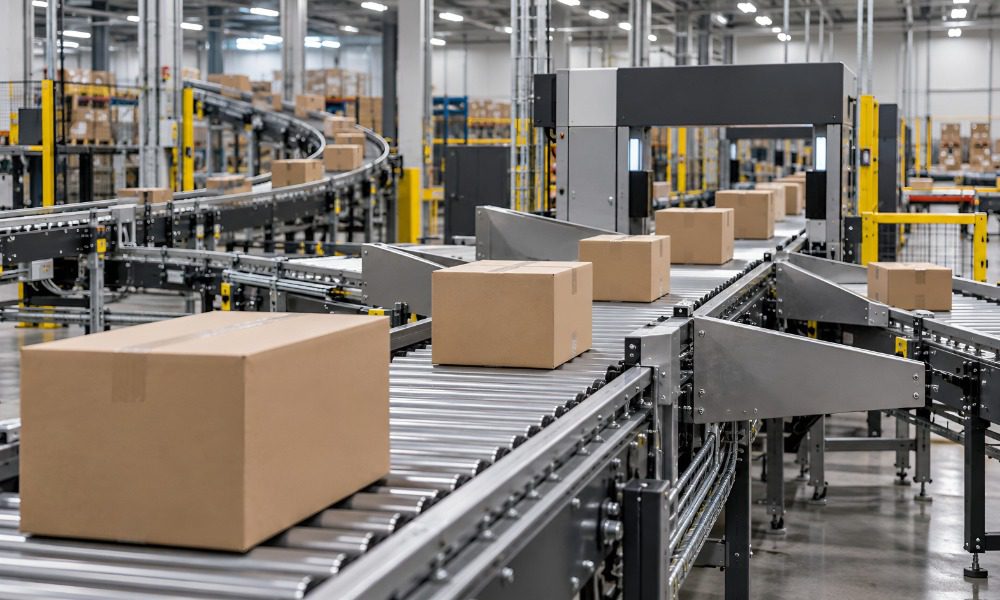
Conveyor systems help industrial facilities transport materials between different production stages. When a conveyor stops unexpectedly, materials cannot reach their intended destination, and other equipment may remain idle until operations resume. These interruptions can create expensive delays when several production processes depend on continuous material transport.
Learning the common mistakes that reduce incline conveyor lifespan will help you recognize operational habits that place unnecessary stress on equipment. Excessive material loads and improper belt tension can accelerate component wear and increase the risk of mechanical failure. Regular inspections and proper equipment use help your facility maintain dependable material flow.
Material Shortages and Supply Chain Interruptions
Industrial production depends on consistent access to essential materials. When suppliers miss delivery deadlines, your facility may lack the resources necessary to complete scheduled orders. These shortages can interrupt production even when employees and equipment remain available.
Accurate inventory records allow your team to identify potential shortages before they affect important projects. Maintain regular communication with suppliers and confirm material availability before production begins. Reliable supplier relationships can reduce uncertainty and help your facility prepare for unexpected delivery problems.
Poor Communication Between Departments
Industrial facilities rely on effective communication to coordinate daily production activities. When employees receive incomplete instructions or overlook important updates, unnecessary delays can develop across multiple departments. These misunderstandings become especially disruptive when several teams depend on one another to complete scheduled tasks.
Clear communication procedures help employees understand their responsibilities and respond appropriately to operational changes. Encourage your team to report equipment problems promptly and confirm important instructions before work begins. Consistent communication also allows supervisors to address unresolved concerns before they affect subsequent production shifts.
Inadequate Employee Preparation and Operational Errors
Industrial equipment requires technical knowledge and careful operation. Employees without adequate preparation may make mistakes that damage machinery or interrupt production. Even experienced workers can encounter difficulties when they operate unfamiliar equipment without proper instruction.
Practical employee education helps your team understand equipment requirements and established operational procedures. Supervisors should evaluate employee performance and address knowledge gaps before workers assume additional responsibilities. When employees understand how to respond to unexpected equipment behavior, your facility can avoid unnecessary interruptions.
Outdated Equipment and Limited Production Capacity
Older industrial equipment may struggle to meet increased production demands. Frequent mechanical problems and reduced operating speeds can make it difficult for your facility to maintain consistent output. Equipment near its maximum capacity may also become more vulnerable to unexpected interruptions.
Evaluate machinery performance regularly to determine whether existing equipment can support your current production requirements. Consider whether repeated repairs indicate that a machine has reached the end of its practical service life. Planned equipment upgrades can prevent outdated machinery from becoming a persistent obstacle to production.
Poor Production Plans and Unrealistic Deadlines
Production schedules must reflect actual equipment capacity and available resources. When managers establish unrealistic deadlines, employees may rush important tasks and overlook necessary procedures. These mistakes can create additional interruptions that make an already demanding schedule more difficult to maintain.
Use accurate operational data to establish achievable production expectations. Review previous delays to understand how much time different processes require. A realistic schedule allows your team to respond to unexpected problems without immediately jeopardizing customer commitments.
Facility Conditions That Affect Equipment Performance
The physical environment inside an industrial facility can influence equipment reliability. Excessive heat and poor ventilation may interfere with machinery and create unsafe conditions for employees. Environmental problems can eventually force temporary shutdowns when equipment cannot operate within acceptable limits.
Regular facility inspections help you recognize environmental risks before they interrupt production. Maintain suitable conditions for the equipment and materials used throughout your facility. Prompt attention to infrastructure problems can prevent minor facility defects from developing into expensive operational disruptions.
Delayed Repairs and Ineffective Emergency Response
Unexpected equipment failures demand prompt attention from qualified maintenance personnel. When replacement components or technical information remain unavailable, even minor repairs can take much longer than necessary. These delays can extend production interruptions and create additional pressure on employees responsible for customer deadlines.
Establish clear emergency maintenance procedures that allow your team to respond efficiently when equipment fails. Maintain access to essential replacement components and qualified repair professionals who understand your machinery. Review unexpected shutdowns to identify weaknesses in your response procedures and prevent similar interruptions.
Unexpected industrial delays can disrupt production schedules and create expenses that extend beyond the original problem. A minor equipment defect or overlooked operational concern may eventually affect several departments. Recognizing these risks early allows your facility to address problems before they become serious interruptions.
Understanding what causes unexpected delays in industrial operations helps you make informed decisions about equipment maintenance and operational improvements. Reliable production depends on consistent attention to machinery performance and effective coordination throughout your facility. When your team addresses potential problems proactively, your business can maintain dependable operations and meet customer expectations with greater confidence.