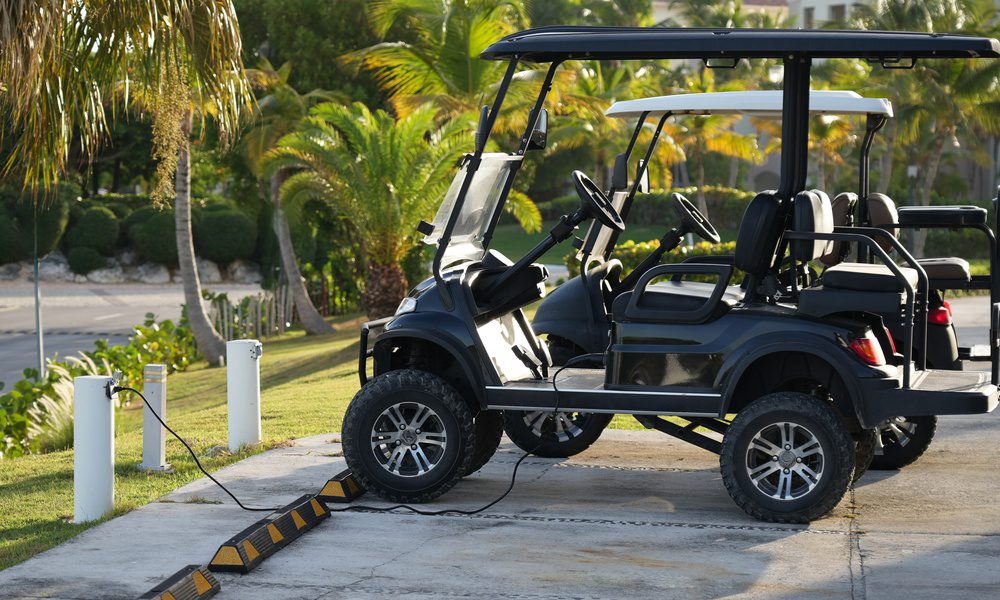
Golf carts aren’t just for golf courses anymore. More people use these compact vehicles to get around neighborhoods, explore private properties, and handle everyday transportation needs. Their convenient size and relatively simple operation make them appealing alternatives to traditional vehicles in certain situations. However, buying a golf cart isn’t necessarily the right decision for everyone. Before making a purchase, you’ll want to consider how you plan to use it, what ownership involves, and whether it fits your lifestyle. Understanding the benefits and limitations of golf carts can help you decide whether one deserves a place in your garage.
Consider How You’ll Use Your Golf Cart
Your intended use should influence almost every aspect of your purchasing decision. Some people want a golf cart for occasional recreational trips, while others need something they can operate regularly around their property.
Think about where you’ll drive and how frequently you’ll use the vehicle. A golf cart might make sense if you live in a community that welcomes them or own a large property that requires frequent travel.
However, if you primarily need transportation for longer trips, a traditional vehicle will probably serve you better.
Think About Your Local Transportation Needs
Golf carts work particularly well for short trips where driving a full-sized vehicle feels unnecessary. They can make traveling between nearby destinations more convenient, especially in communities with designated golf cart routes.
Before purchasing one, research your local regulations. Some municipalities allow golf carts on certain public roads, while others prohibit them entirely.
Don’t assume that your neighborhood permits golf carts simply because you’ve seen other people driving them. Understanding local requirements helps you avoid purchasing a vehicle you can’t legally operate where you intended.
Evaluate Your Property’s Size and Layout
Homeowners with substantial properties often appreciate the convenience of golf carts. Instead of walking considerable distances between buildings or outdoor areas, they can travel comfortably while carrying small supplies.
However, property conditions matter. Steep hills, muddy paths, and uneven terrain can challenge standard golf carts.
Consider whether your property requires specialized tires, additional ground clearance, or improved suspension. Choosing equipment that matches your terrain can make your golf cart considerably more useful.
Decide Between Electric and Gas Models
One of the biggest decisions involves choosing between electric and gas-powered golf carts. Both options offer advantages, depending on your preferences.
Electric carts generally operate more quietly and require less routine engine maintenance. They’re particularly convenient for homeowners who have accessible charging locations.
Gas-powered models offer quick refueling and can suit situations involving extended operation without convenient charging access.
Neither option automatically provides better performance. Compare the specific models you’re considering and determine which power source best supports your routine.
Understand the Actual Cost of Ownership
Golf carts often cost less than traditional passenger vehicles, but their purchase prices represent only part of the financial commitment.
You’ll also need to consider ongoing expenses that vary depending on your cart’s age and configuration.
Common ownership costs include:
- Routine maintenance: Regular inspections and servicing help prevent unnecessary mechanical problems.
- Battery replacement: Electric models eventually need new batteries, which can represent a significant expense.
- Insurance: Your location and intended use might require specialized coverage.
- Accessories: Additional seating, storage solutions, and comfort features increase your total investment.
- Repairs: Tires, brakes, and suspension components experience wear through normal operation.
Establish a realistic budget before shopping so unexpected expenses don’t undermine your purchase.
Determine Whether You Have Enough Storage Space
Although golf carts occupy less room than most cars, they still require appropriate storage.
A garage or covered storage area helps protect your investment from prolonged exposure to harsh weather. You’ll also want enough clearance to enter and exit the vehicle comfortably.
Electric cart owners should consider access to suitable charging equipment. Following the manufacturer’s charging and ventilation instructions helps support safe operation.
If you lack convenient storage, evaluate whether the cart’s benefits outweigh the additional arrangements you’ll need.
Consider How Many Passengers You’ll Carry
Golf carts come in several seating configurations. Some accommodate two passengers, while larger models offer additional seating for families or groups.
Choosing the appropriate capacity matters because regularly carrying more passengers than the manufacturer allows creates unnecessary safety risks.
Think about your typical trips rather than occasional situations. A two-seat cart might satisfy your needs if you usually travel alone or with one other person.
However, families who frequently travel together may appreciate a four-seat or six-seat model.
Explore Available Customization Options
One appealing aspect of golf cart ownership involves the opportunity to personalize your vehicle. Many manufacturers and aftermarket suppliers offer accessories that improve comfort or support specific activities.
For example, golf cart audio upgrades can make recreational rides more enjoyable without requiring complicated changes to the vehicle’s primary functions.
Other popular modifications include improved seating, weather enclosures, and additional storage compartments.
Before purchasing accessories, confirm compatibility with your particular model. Some modifications can affect electrical demand, handling, or warranty coverage.
Prioritize improvements that genuinely enhance your experience rather than purchasing accessories simply because they’re available.
Think About Comfort During Different Seasons
Golf carts provide an enjoyable open-air experience during pleasant weather. However, their exposed designs can become inconvenient when temperatures drop or rain arrives.
If you expect frequent year-round use, consider models with protective enclosures or other weather-related accessories.
Your local climate should influence this decision. Someone living in a warm region might rarely need additional protection, while another owner may struggle with seasonal limitations.
Remember that a golf cart generally won’t provide the same weather protection as a conventional enclosed automobile.
Evaluate Safety Features Before Buying
Golf carts have different safety characteristics than traditional passenger vehicles. Their compact construction and limited occupant protection make responsible operation especially important.
Look for appropriate lighting, mirrors, reliable brakes, and seat belts where applicable. Verify that the cart meets any equipment requirements for your intended operating location.
Pay attention to manufacturer recommendations concerning passenger capacity and maximum speeds.
Even when local rules allow golf carts on public roads, sharing space with larger vehicles introduces additional risks.
Choose routes carefully and avoid assuming that a golf cart offers the same crash protection as a passenger car.
Decide Whether a New or Used Cart Makes Sense
Buying a used golf cart can reduce your initial investment, but its condition deserves careful attention.
Inspect the tires, steering components, brakes, and overall structure. For electric models, ask about battery age and maintenance history.
New carts generally offer more predictable condition and may include manufacturer warranty coverage. However, they also require a larger upfront investment.
Compare the total costs rather than focusing exclusively on advertised prices.
If you’re unfamiliar with golf cart mechanics, consider asking a qualified technician to inspect a used vehicle before purchasing it.
Consider Maintenance Requirements and Convenience
Golf carts still require regular care, even though their mechanical systems can be simpler than those of traditional automobiles.
Electric owners should follow battery maintenance recommendations, monitor tire pressure, and inspect electrical connections according to manufacturer instructions.
Gas-powered carts need engine-related maintenance, including appropriate oil changes and filter servicing.
Consider whether you’re comfortable handling basic maintenance or prefer professional assistance.
Having a reliable service provider nearby can make ownership significantly more convenient, particularly when unexpected problems arise.
Make Sure the Purchase Fits Your Lifestyle
Think about how frequently you’ll actually use your golf cart. Occasional recreational trips might not justify a substantial investment, especially if storage and maintenance create additional complications.
On the other hand, regular neighborhood travel or frequent movement around private property can make ownership worthwhile.
Consider renting or test-driving a golf cart before committing. Experiencing its handling and comfort firsthand can reveal preferences that specifications alone won’t communicate.
The right golf cart should complement your daily routine rather than create unnecessary responsibilities. By considering your transportation needs and financial expectations, you can make a purchasing decision that provides lasting satisfaction.