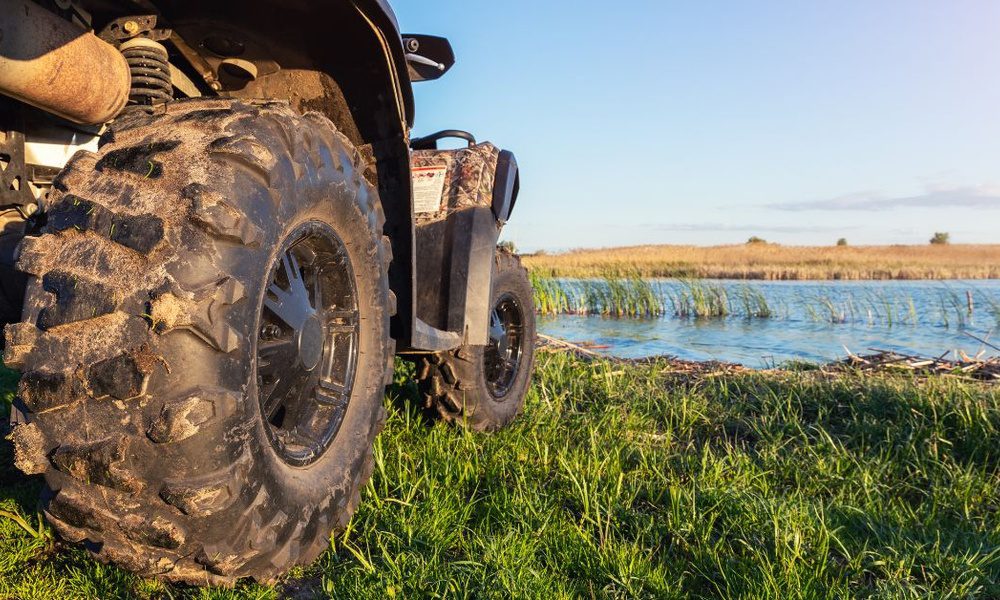
Buying recreational land sounds simple until you compare flood maps, zoning rules, and road access at midnight while questioning your life choices. Still, the right property can deliver years of hunting trips, camping weekends, fishing adventures, or quiet escapes from crowded neighborhoods. Before you sign anything, you need a clear plan, realistic expectations, and a sharp eye for expensive surprises. Recreational land often looks perfect during a quick visit, yet hidden issues can destroy your budget later.
Start With Your Real Goal
First, decide how you want to use the property. Some buyers want a private campsite. Others want hunting acreage, off-road trails, or future cabin space. Your main goal should shape every decision you make.
Ask yourself a few practical questions:
- Will you visit year-round or only during warm seasons?
- Do you need water, electricity, or internet access?
- Can guests reach the property without four-wheel drive?
- Do local laws allow your planned activities?
Clear answers help you avoid land that creates more frustration than fun.
Access Matters More Than Pretty Views
Beautiful scenery cannot fix terrible access. Many buyers focus on lakes, trees, or mountain views while ignoring roads and easements. A rough trail may feel charming during summer, but heavy rain or snow can turn that trail into a muddy disaster.
You should confirm legal access before making an offer. Some owners assume neighboring landowners will allow entry forever. Arguments often begin when property changes hands. Check county records and confirm every access agreement in writing.
Remote areas also demand extra research. For example, recreational land in Alaska may offer incredible scenery and privacy, but harsh winters, wildlife concerns, and transportation costs can complicate ownership quickly.
Research Rules Before You Buy
Counties and townships often enforce different zoning regulations. One property may allow cabins and RVs, while another nearby property may ban both. You should also check hunting restrictions, fire regulations, and environmental protections.
A seller may promise unlimited freedom, but local authorities make the final decisions. Contact the county planning office directly instead of relying on assumptions.
You should also investigate taxes carefully. Some recreational properties qualify for agricultural or conservation tax programs, while others carry surprisingly high annual costs.
Never Skip Important Due Diligence
Smart buyers investigate every detail before closing day. Start with surveys, utility checks, and soil tests. You should also order a land title search to uncover liens, ownership disputes, or easement problems.
Walk the entire property whenever possible. Photos rarely show swampy ground, trash piles, unstable slopes, or noisy neighboring activities. Bring a map, mark boundaries, and verify fence lines during your visit.
You should also estimate future maintenance costs. Gates, gravel roads, tree removal, and erosion control can drain your budget faster than expected.
Think Long Term
Recreational land should support your lifestyle instead of creating endless chores and surprise expenses. Take your time, ask tough questions, and research every detail before making a purchase. Careful planning now can save you money, stress, and several deeply regrettable phone calls later.
Experienced buyers also speak with nearby landowners before closing. Neighbors often share honest details about seasonal flooding, trespassers, hunting pressure, and road conditions that sellers conveniently forget during cheerful property tours and handshake conversations.