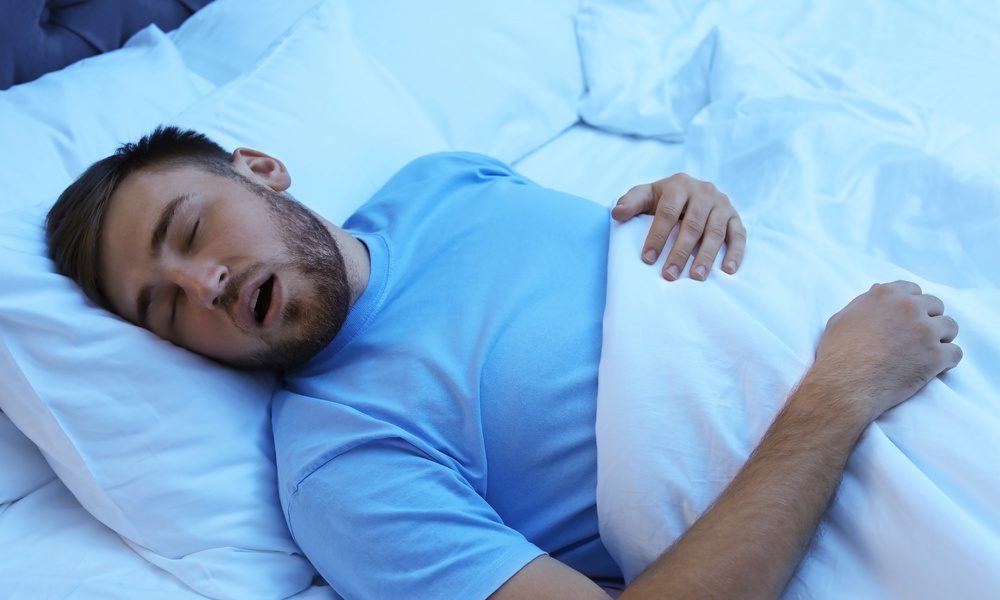
Have you ever wondered what you’re like while asleep? Many people have odd sleep habits they do in sleep without ever knowing, like mumbling about lunch or even grinding their teeth. Let’s talk about some common nighttime behaviors that you could have without realizing it. You won’t know for sure if you do them without asking your partner, setting a camera up in your room, or getting a sleep study, but some of them have clues you may notice the next morning.
Sleep Talking
Sleep talking happens when the parts of your brain involved in speech become active while you’re still asleep. You may mumble, say a short phrase, or answer someone without actually waking up.
Why does it happen? Your brain doesn’t move through sleep in one perfect block. It shifts between lighter and deeper stages, and during those shifts, speech can slip out before full awareness comes back online. Stress, poor rest, or alcohol before bed can make those sleep-stage shifts rougher, so talking may show up more during those nights.
Teeth Grinding
Bruxism, more informally known as teeth grinding, is when you clench or grind your teeth without meaning to. This unconscious habit is rough on your oral health. It can lead to worn enamel from the pressure. Fortunately, bruxism is a sleep habit that leaves warning signs for you. If you ever wake up with jaw pain, you could have bruxism and need a dentist to check the damage.
Sleep Humming
Sleep humming can happen when air vibrates through your throat or nasal passages during sleep. Sometimes that sound is harmless because you’re still breathing normally; the air is just moving through a narrower space than usual. That can happen when your nose is blocked, especially if the hum fades after congestion clears. But if the sound ends with choking or a long gap before the next breath, it may point to sleep apnea.
Rhythmic Leg Bouncing
Rhythmic leg moving happens when your legs make repeated movements while you’re asleep. The movement comes from brief muscle signals during sleep, which may pull your body out of deeper rest for a moment. You can usually tell if you have this habit; you may jolt awake at random times throughout the night, or wake up in the morning to messy sheets and sore legs. If this happens a lot, bring it up with a doctor because repeated leg movement can interrupt deep rest. You may need medication, such as gabapentin or a dopamine-related option, to stop the movements.
What Your Sleep Leaves Behind
You may not know what you do after you fall asleep, but your body leaves hints. A sore jaw, dry eye, twisted sheets, or a comment from someone nearby can point to odd sleep habits worth noticing. You don’t need to panic over every strange nighttime behavior. You do need to pay attention when it affects your comfort, sleep quality, or health the next morning.