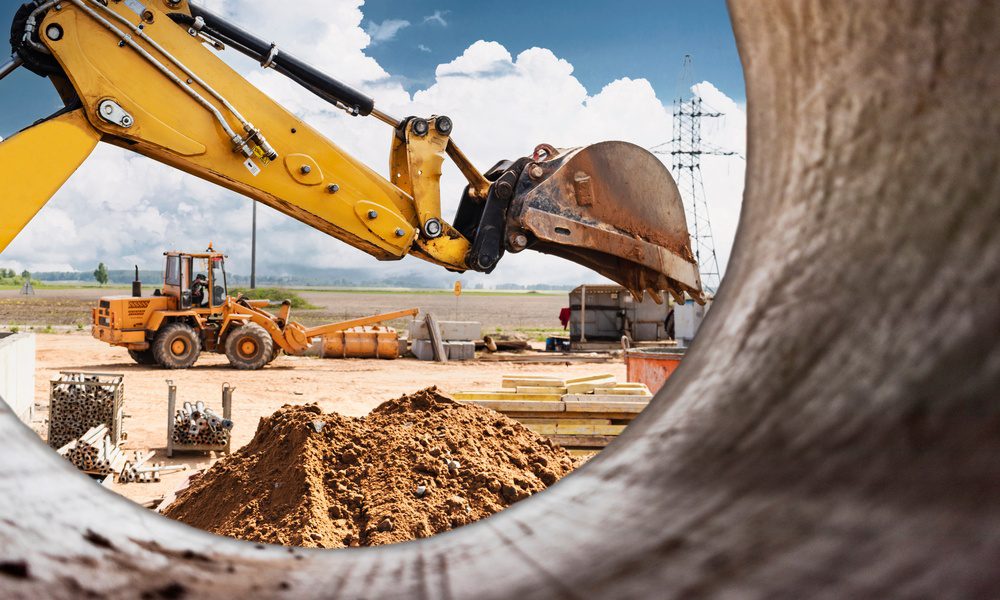
Starting a construction project can be exciting, but it’s rarely simple. Behind every finished structure is a long list of decisions that shape how efficiently the project moves from idea to reality. Skipping key considerations early on often leads to delays, budget overruns, or avoidable complications.
Whether the project is large or small, taking time to evaluate the fundamentals can make a noticeable difference. Here are things to consider before starting a construction project.
Strong Planning Sets the Foundation
A clear plan defines the project scope, sets a realistic timeline, and assigns responsibilities so that each phase progresses in the right order. Without this structure, crews risk scheduling conflicts, material shortages, and miscommunication, all of which slow progress.
Planning also requires confirming permits, zoning rules, and inspection requirements before work begins. Missing approvals or misreading local codes can halt construction, trigger fines, or force rework. Addressing these requirements upfront keeps the project compliant and prevents costly interruptions.
A Realistic Budget Goes Beyond Estimates
Before starting a construction project, you should also consider your overall costs. Budgeting must account for the full range of costs, not just materials. Labor, equipment rentals, permits, inspections, and administrative overhead all contribute to the total, and overlooking any of them can quickly create shortfalls that disrupt progress. Accurate estimates require understanding how these costs change over time, especially on longer jobs.
Projects also face cost increases from weather delays, supply chain disruptions, and design adjustments. Setting aside a contingency fund—typically a percentage of the total budget—helps absorb these variables and keeps construction moving without constant financial setbacks.
Site Conditions Shape Your Approach
Every construction site presents its own challenges. Soil composition, drainage, access points, and surrounding infrastructure directly influence how crews carry out the work. A site that looks manageable at first glance often requires adjustments once teams fully evaluate these factors.
In some cases, specialized equipment becomes necessary to handle unique conditions. Knowing how to choose the right HDD rig for job-site conditions depends on understanding the environment and selecting tools that meet those demands. Careful assessment at this stage can prevent inefficiencies and costly delays later on.
The Right Team Makes a Big Difference
Construction projects rely heavily on the people behind them. Experienced contractors, engineers, and project managers bring valuable insight that helps avoid common pitfalls. Their expertise often leads to better decision-making throughout the process.
Equally important is communication. A team that collaborates effectively can adapt to changes, solve problems quickly, and maintain steady progress. Choosing professionals who are both skilled and communicative creates a more reliable working dynamic.
Safety Should Guide Every Decision
Safety is a fundamental part of any construction project, not just a final checklist item. Establishing clear protocols from the beginning helps protect workers and keeps operations running smoothly. This includes proper training, use of protective equipment, and ongoing awareness of potential hazards.
A strong focus on safety also supports productivity. Teams that minimize risks reduce interruptions and delays. Creating a secure work environment benefits both on-site workers and the project’s overall success.