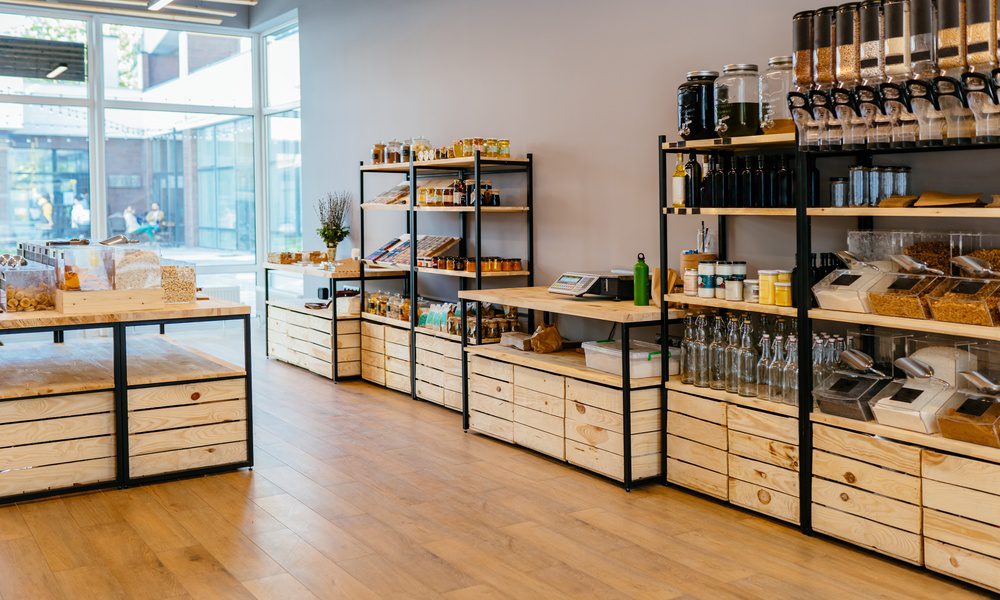
Have you ever walked into a store planning to buy one thing and left with five? That’s not an accident. The way a store is arranged plays a powerful role in how people browse, what they notice, and, ultimately, what they buy. Understanding how store layout influences shopper decision-making reveals just how much subtle store design shapes everyday choices.
The Power of First Impressions
A store’s entrance sets the tone within seconds. Retailers often create “decompression zones” in their spaces— small areas just inside the doors where shoppers adjust to the environment. During this moment, customers aren’t fully engaged yet, so retailers rarely place key products there. Instead, stores guide attention further inside, where purchasing decisions begin to form.
Guiding Movement Without You Noticing
Most shoppers naturally drift to the right when they enter a space. Retailers use this tendency to create a predictable path, often leading customers in a loop around the store. This strategic flow increases exposure to products, making shoppers more likely to encounter items they didn’t initially plan to buy.
Wide, open pathways invite exploration, while tighter spaces can encourage slower browsing. Every turn, display, and aisle subtly nudges behavior without customers realizing it.
Product Placement and Decision Triggers
Where items are placed can dramatically influence purchasing decisions. Eye-level shelves often feature higher-margin or popular products because they’re easiest to notice. Meanwhile, complementary items may be grouped together to spark impulse purchases; for example, placing accessories near clothing displays.
Even small layout decisions can shift attention. For example, curated displays or focal points draw the eye and create moments when shoppers pause, increasing the likelihood of a purchase.
The Role of Atmosphere
Layout isn’t just about physical arrangement. Lighting, spacing, and visual balance all affect how comfortable a shopper feels. A well-organized store feels intuitive, while cluttered layouts can overwhelm shoppers and shorten their browsing times. Thoughtful retail store design choices create spaces where people want to linger.
Lighting, for example, can subtly guide attention. Bright, focused lighting highlights key products, while softer ambient lighting creates a relaxed atmosphere that encourages exploration. Spacing also plays a role in comfort; shoppers are more likely to browse when they don’t feel crowded or rushed. These subtle cues work together to influence not just how long someone stays, but how they feel while making purchase decisions.
Why It All Matters
At its core, how store layout influences shopper decision-making comes down to psychology. People like spaces that feel easy to navigate, visually appealing, and engaging. A store layout that aligns with these preferences reduces friction and encourages exploration. The result? Shoppers stay longer, discover more products, and make decisions they didn’t plan on making when they walked in.
So the next time you enter a store, pay attention—you might notice the layout guiding you every step of the way.