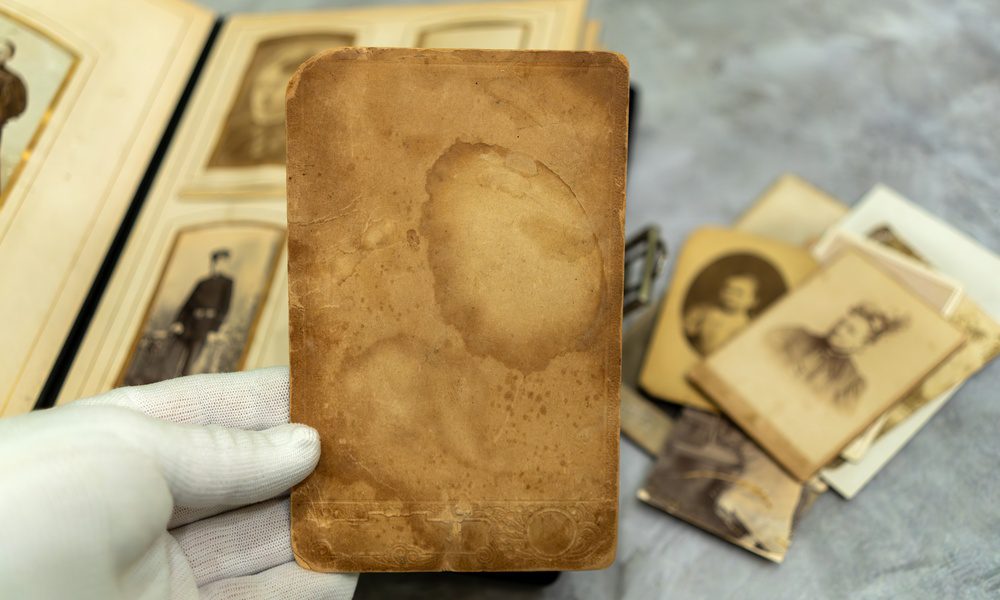
Family heirlooms carry more than monetary value—they represent memories, history, and identity. No matter what your precious family possessions are, preserving these items requires more than simply placing them in a box. Creating a long-term storage plan for family heirlooms ensures that these treasured pieces remain protected and intact for future generations.
Understanding the Unique Needs of Heirlooms
Materials such as wood, fabric, paper, and metal all respond differently to environmental conditions. For example, humidity can warp wood and encourage mold growth on textiles, while excessive dryness can cause cracking. Light exposure, particularly sunlight, can fade photographs and artwork over time.
Taking inventory of your heirlooms is the first step in determining how to store them properly. Documenting their condition and identifying vulnerabilities helps you choose the right storage methods and materials, preventing avoidable damage.
Choosing the Right Storage Environment
A stable environment is one of the most important factors in long-term preservation. Ideally, heirlooms should be stored in a cool, dry place with consistent temperature and humidity levels. Basements and attics, while convenient, often experience fluctuations that can accelerate deterioration.
Instead, consider interior closets or dedicated storage rooms where climate conditions are more predictable. Using dehumidifiers or climate-control solutions can further protect sensitive items. Even small adjustments to your environment can significantly extend the lifespan of your heirlooms.
Selecting Proper Storage Materials
The materials you use to store heirlooms matter just as much as where you store them. Acid-free paper, archival-quality containers, and breathable fabrics are essential for preventing chemical reactions and physical damage. Avoid plastic containers that can trap moisture or release harmful compounds over time.
When it comes to practical guidance on packing and storing delicate items, following proven methods for storing artwork and collectibles safely in boxes can help ensure that even simple solutions provide effective protection. Thoughtful packing techniques reduce movement, limit exposure to environmental stress, and preserve the integrity of each piece.
Organizing for Accessibility and Safety
A long-term storage plan should strike a balance between protection and accessibility. Items that are too difficult to access may be neglected or improperly handled when eventually retrieved. Labeling containers clearly and maintaining a storage map can make it easier to locate specific heirlooms without unnecessary disruption.
Additionally, storing heavier items at lower levels and more fragile items above them helps prevent accidental damage. Keeping frequently handled heirlooms in slightly more accessible locations can also reduce the risk of mishandling.
Planning for the Future
Preservation doesn’t end once items are stored. Periodic inspections allow you to catch early signs of damage such as moisture buildup, pests, or material degradation. Adjusting your storage approach over time ensures that your plan evolves with changing conditions.
Ultimately, creating a lasting storage strategy for treasured family items is about more than organization; it’s about stewardship. By taking a proactive approach, you ensure that the stories and significance behind each heirloom continue to be passed down, intact and meaningful, for generations to come.