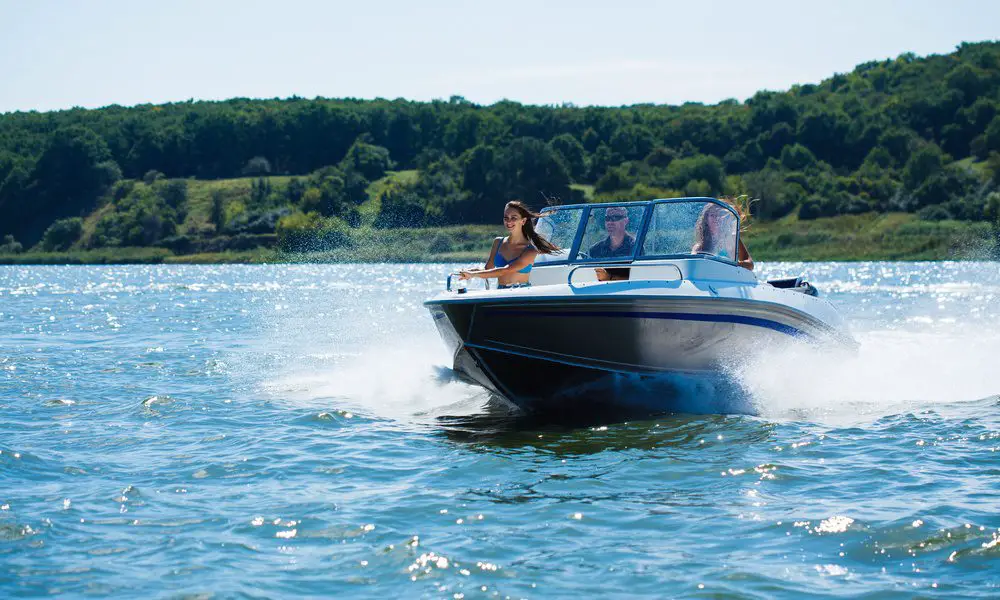
Enjoying a day on the water brings a sense of freedom and adventure. For new boaters, understanding the fundamentals of safety makes every trip a good one.
Knowing what every beginner should know about boating safety prepares you for a confident and enjoyable experience on the water.
Wear a Life Jacket
A personal flotation device, or life jacket, stands as your first line of defense in an emergency. Modern life jackets come in a variety of comfortable, lightweight designs suitable for all-day wear.
Before leaving the dock, check that everyone aboard has a properly fitting life jacket. Different activities, such as waterskiing or fishing, may require specific types of jackets, so select accordingly.
Complete a Boating Safety Course
Formal education provides a solid foundation for any new boater. A recognized boating safety course covers navigation rules, emergency procedures, and proper boat handling. These courses offer valuable information that builds both your skills and confidence. Many states require a safety certification to operate a vessel, so completing a course often fulfills a legal obligation.
Check the Weather Forecast
Weather conditions on the water change quickly. Always review the marine forecast before you depart. Pay attention to wind speed, wave height, and any storm warnings. If the weather looks unfavorable, postponing your trip is the wisest choice. Even on a clear day, monitor the weather, as conditions can shift without much warning.
Know Your Boat’s Limits
Understanding your vessel’s capabilities is a large part of safe operation. This includes knowing the passenger capacity and weight limits. Overloading a boat affects its stability and handling.
Knowing how much horsepower is right for your boat is also crucial for performance and safety. A boat with the correct engine power operates more efficiently and predictably.
Avoid Alcohol Consumption
Operating a boat requires your full attention. Alcohol impairs judgment, coordination, and reaction time. The sun, wind, and boat vibrations can magnify the effects of alcohol, making it even more hazardous on the water. For the safety of everyone aboard, the captain should always remain sober.
Final Preparations for a Safe Outing
A successful boating trip hinges on preparation and knowledge. By following these guidelines, you build a strong safety mindset. Grasping what every beginner should know about boating safety allows you to navigate the waters with assurance. A safe boater is a happy boater, ready for many more adventures to come.