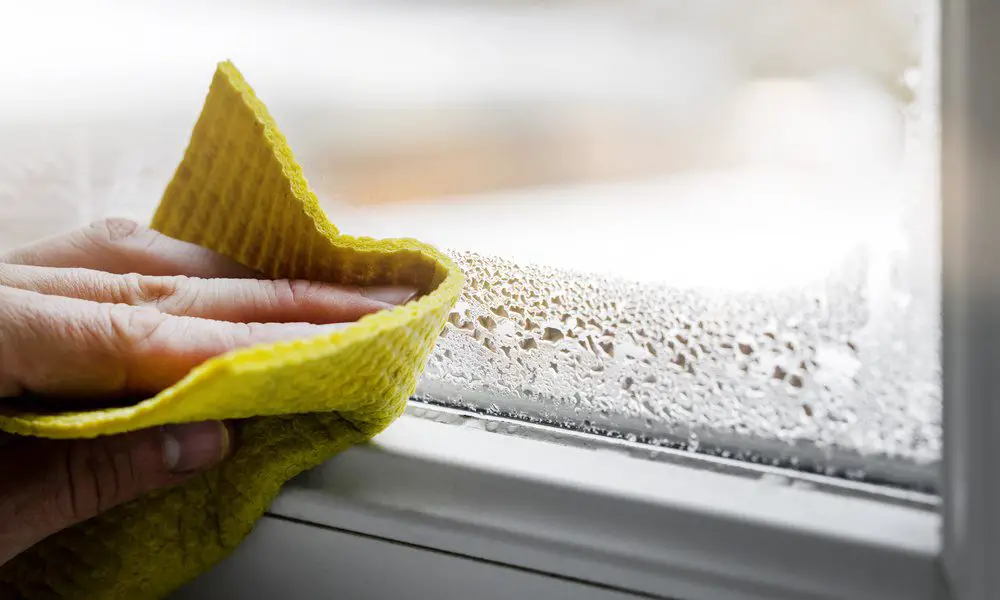
Excess moisture in your home’s air does more than cause a stuffy feeling. Humidity impacts your comfort, health, and the structural integrity of your house. Homeowners who recognize these four common household problems caused by humidity can take steps to control moisture levels and safeguard their home.
Keep reading to discover how early detection of these problems can promote a healthier and more comfortable living space.
Moisture Damage to Walls and Ceilings
When warm, moist air meets cooler surfaces like windows, walls, or ceilings, condensation forms. This repeated process of wetting and drying causes paint to bubble, peel, and chip. Wallpaper may also begin to lift at the seams or warp.
Beyond the surface, persistent moisture can seep into drywall, weakening its structure and leading to discoloration and stains. Addressing humidity prevents this cycle of damage and keeps your walls looking their best.
Unpleasant Musty Odors
A persistent musty smell often points to high humidity. This odor comes from mold and mildew, which flourish in damp conditions. Areas like basements, bathrooms, and laundry rooms frequently trap moisture, creating a breeding ground for these fungi.
Even after cleaning, the smell can return if the underlying moisture issue persists. Lowering the humidity deprives mold and mildew of the water they need to grow, helping eliminate these unpleasant smells for good.
Mold and Mildew Growth
Visible mold and mildew are clear indicators of a moisture problem. These fungi often appear as black, green, or white patches on surfaces and release spores that can spread throughout your home. Many homeowners spot mold around window frames, in shower grout, or on closet walls.
High humidity provides the essential water for these spores to colonize and grow. If you observe these signs, your home would benefit from a dehumidifier, creating an environment where mold cannot thrive.
Poor Indoor Air Quality and Allergies
High humidity creates a breeding ground for dust mites, mold, and other common allergens. These microscopic particles can trigger allergic reactions and respiratory problems, with symptoms like sneezing, coughing, and congestion often worsening in damp conditions.
By controlling humidity, you reduce the levels of these allergens, improving indoor air quality and providing relief for allergy sufferers. Addressing these household problems caused by humidity improves both your home and your health.
Take Control of Your Home’s Climate
Managing humidity protects your home from long-term damage and creates a more pleasant living space. Lowering moisture levels helps prevent peeling paint, stops musty odors, and discourages mold growth.
A drier environment also improves indoor air quality, making it a healthier place for you and your family. By recognizing and addressing the signs of excess moisture, you can maintain your home’s integrity and comfort.