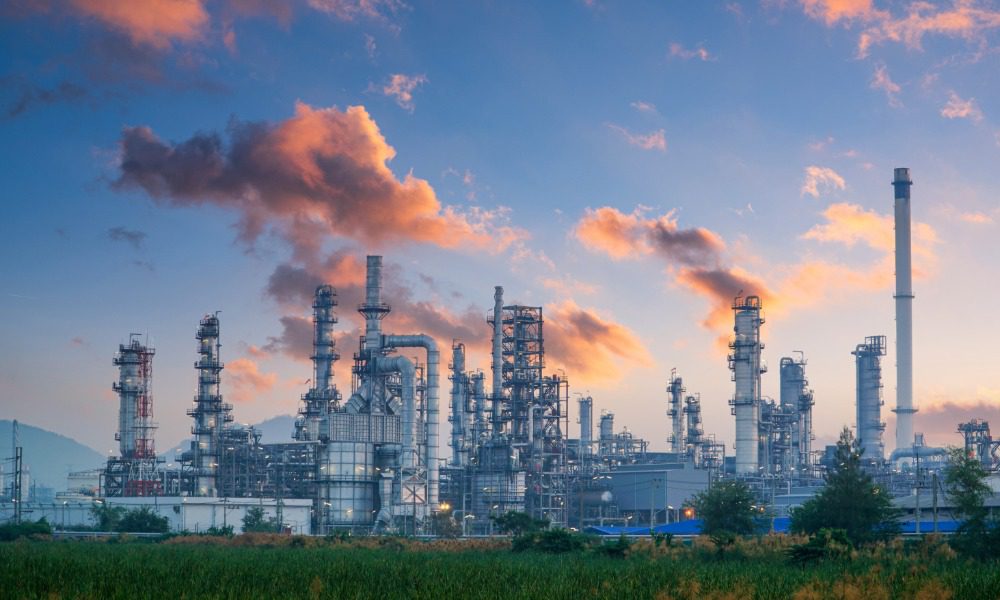
Chemical processing facilities depend on equipment that must perform reliably while facing conditions that would quickly damage components in less demanding environments. Understanding common threats to equipment in chemical processing gives facility managers and maintenance teams a better foundation for protecting critical assets.
Rather than waiting for visible deterioration or an unexpected shutdown, facilities can consider the environmental and operational conditions that contribute to damage and address vulnerabilities before they become larger problems.
Corrosion From Aggressive Chemicals
Corrosion is one of the most persistent concerns in chemical processing environments. Acids, solvents, salts, alkalis, and other substances can react with equipment surfaces and gradually compromise the underlying material. The severity of this process depends on factors such as chemical concentration, temperature, exposure time, moisture, and the composition of the equipment itself.
Corrosion is particularly challenging because deterioration may not always be obvious from the outside. Internal piping, enclosed tanks, and difficult-to-access components can experience significant material loss before operators recognize a problem. Over time, weakened surfaces can contribute to leaks, contamination, reduced efficiency, and unplanned equipment replacement.
Selecting compatible construction materials is therefore an important part of equipment design. Protective linings and coatings can also create an additional barrier between vulnerable substrates and aggressive processing environments.
High Operating Temperatures
Heat can accelerate many forms of equipment deterioration. Chemical reactions often occur more rapidly at elevated temperatures, meaning a material that performs adequately under moderate conditions may experience much faster corrosion when exposed to additional heat.
Temperature also affects equipment mechanically. Repeated heating and cooling cause materials to expand and contract, placing stress on joints, welds, seals, fasteners, and connections. When equipment experiences frequent thermal cycling, these stresses can gradually contribute to fatigue or deformation.
Facilities must consider actual operating temperatures rather than simply choosing materials based on room-temperature chemical compatibility. Unexpected temperature spikes, startup conditions, cleaning processes, and shutdown cycles may expose equipment to conditions substantially different from those experienced during normal production.
Abrasion and Erosion
Not every threat comes from chemical reactions. Physical wear can be equally damaging, particularly when processing systems transport powders, slurries, crystals, or other suspended solids.
Particles moving through piping, pumps, valves, and vessels can repeatedly strike exposed surfaces. Over thousands of operating hours, this abrasion can remove material and gradually alter component dimensions. High flow velocities can make the problem more severe by increasing the force with which particles contact equipment.
Erosion can also combine with corrosion. When abrasive materials continually remove a protective surface layer, fresh material underneath becomes exposed to aggressive chemicals. The resulting deterioration can progress much faster than either abrasion or corrosion would produce independently.
Chemical Compatibility Problems
A material does not need to be inherently weak to fail in a chemical processing environment. It may simply be poorly matched to the substance it encounters.
Chemical compatibility depends on more than identifying the primary chemical flowing through a system. Concentration, contaminants, temperature, pressure, and mixtures of multiple substances can change how a material performs. Cleaning agents and maintenance chemicals should also be considered because they may contact equipment even if they are not part of normal production.
This is one reason protective surface technologies vary significantly between applications. For equipment exposed to particularly aggressive environments, understanding why ECTFE coating is used for chemical resistance can provide useful context when evaluating how different coating systems isolate underlying materials from corrosive substances.
Pressure and Mechanical Stress
Pressure is another constant consideration in many chemical processing systems. Tanks, piping, pumps, reactors, and pressure vessels must tolerate forces generated during normal operation as well as fluctuations associated with startup, shutdown, or process changes.
Sudden pressure changes can be especially demanding. Water hammer, blocked lines, rapid valve closures, and unexpected process reactions can produce forces beyond normal operating conditions. Even when these events do not immediately cause failure, repeated stress can weaken connections and other vulnerable areas.
Mechanical vibration creates similar concerns. Rotating equipment, pumps, compressors, and nearby machinery can transfer vibration throughout connected systems. Over time, persistent movement may loosen fittings, fatigue welds, damage seals, or contribute to cracking.
Moisture and Environmental Exposure
Equipment does not have to contact process chemicals directly to deteriorate. The surrounding facility environment can create its own challenges.
Humidity, condensation, washdown procedures, outdoor weather, and airborne chemical vapors can expose exterior surfaces to corrosive conditions. Equipment located near processing operations may encounter small amounts of chemicals through splashes, mist, or vapor even when those substances never enter the equipment itself.
Condensation can be particularly problematic in areas with substantial temperature differences. Moisture collecting beneath insulation or inside enclosed spaces may remain unnoticed for extended periods. This creates conditions where corrosion can develop without obvious warning signs.
Protecting equipment therefore requires considering the entire operating environment rather than focusing exclusively on what occurs inside pipes and vessels.
Improper Cleaning and Maintenance
Maintenance is intended to preserve equipment, but inappropriate procedures can sometimes accelerate deterioration. Aggressive cleaning chemicals, abrasive tools, excessive pressure washing, or incompatible replacement components may damage surfaces that were previously performing well.
Cleaning processes should account for the materials and protective systems used throughout the facility. A chemical capable of removing stubborn residue may also attack seals, coatings, metals, or polymers if compatibility has not been evaluated.
Maintenance activities can also inadvertently damage protective surfaces. Scratches, chips, and worn areas may expose the underlying substrate to chemicals. Regular inspections following maintenance can help identify these vulnerabilities before equipment returns to demanding service.
Creating a More Proactive Equipment Strategy
Chemical processing equipment faces several forms of deterioration simultaneously. Corrosion can interact with abrasion, heat can accelerate chemical attack, and vibration can worsen weaknesses that already exist around connections. Protecting equipment therefore requires considering how these stresses interact rather than treating each one as an isolated problem.
Recognizing the most common equipment threats found throughout chemical processing operations allows facilities to make more informed decisions about materials, protective surfaces, operating practices, inspection schedules, and maintenance. When equipment protection is approached proactively, facilities have a better opportunity to address gradual deterioration before it develops into an unexpected shutdown or major repair.
Long-term reliability begins with understanding the environment in which equipment actually operates. By considering chemical exposure, temperature, pressure, abrasion, moisture, maintenance practices, and changing process requirements together, facilities can build a more complete strategy for keeping critical assets functioning under demanding conditions.