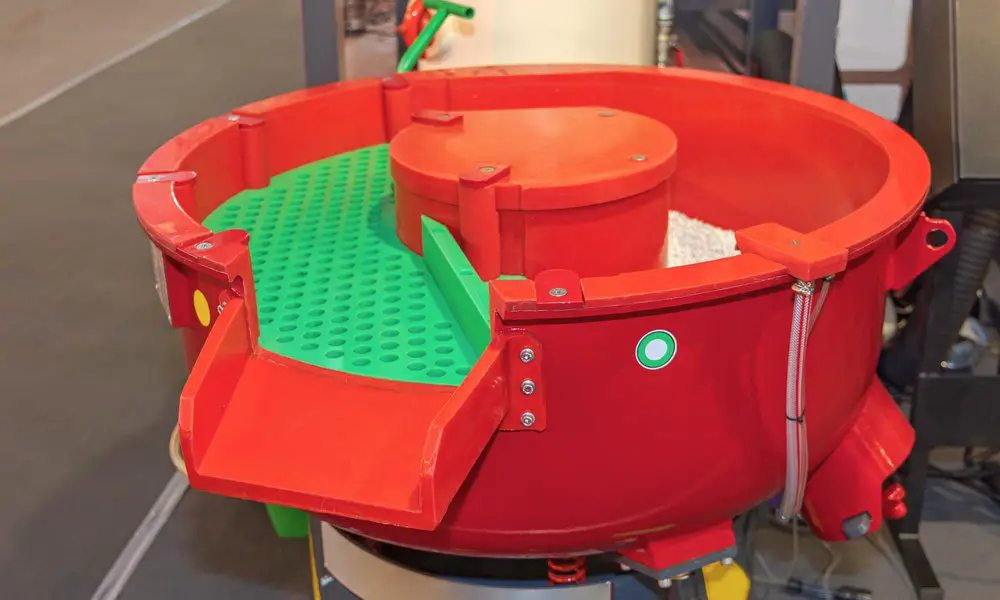
Your vibratory finishing equipment works hard to deburr, polish, and perfect your parts. Over time, even the most durable machines show their age. Recognizing when a core component like the finishing tank needs replacement can save you from costly downtime and inconsistent results. Find out how to identify the signs you need to replace your vibratory finishing tanks before a small issue becomes a major problem.
Cracks and Physical Damage
The most obvious red flag is visible damage to the tank itself. Look for cracks, deep gouges, or signs of warping in the tank’s lining and structure. These fissures can start small but will expand under the constant stress of vibration and the weight of media and parts. A compromised structure can lead to catastrophic failure, which poses a safety risk and could ruin an entire batch of components.
The polyurethane or rubber lining inside the tank is another area to inspect closely. If this lining is peeling, worn thin, or has holes, the tank’s metal shell is exposed. This exposure leads to rapid corrosion and wear on the machine’s structural body. A worn lining also fails to protect your parts, which can lead to damage and a poor surface finish.
Diminished Finishing Quality
Are your parts coming out with inconsistent finishes? Your old tank could be the culprit. As the tank’s lining wears down, its shape can subtly change. This alteration affects the flow and movement of the media, which creates dead spots where parts don’t get the proper deburring or polishing action.
You might also notice that cycle times have increased to achieve the same finish quality you used to get. The machine has to work harder to compensate for the degraded tank interior. This inefficiency not only slows down your production but also increases your energy consumption and media wear, which adds to your operational costs.
Speaking of media wear, it’s important to know that reducing finishing quality can also be a sign you need to replace your media. You can easily find replacement porcelain tumbling media and other options online, so double-check your media quality before assuming the vibratory bowl is the problem.
Excessive Noise and Vibration
Vibratory finishers are naturally noisy, but you’ll likely notice a change in the sounds your machine produces when the tank is failing. An increase in rattling, clanking, or unusually loud operational noises can indicate that the tank is loose or that its structural integrity is compromised. These sounds suggest something is wrong, so trust your listening skills to help you when finishing tank bowl issues arise.
These are some of the clearest signs you need to replace your vibratory finishing tanks. Proactive replacement protects your part quality, maintains production efficiency, and prevents unexpected equipment failures. Pay attention to your machine’s performance and condition so you can keep your finishing operations on track for success.