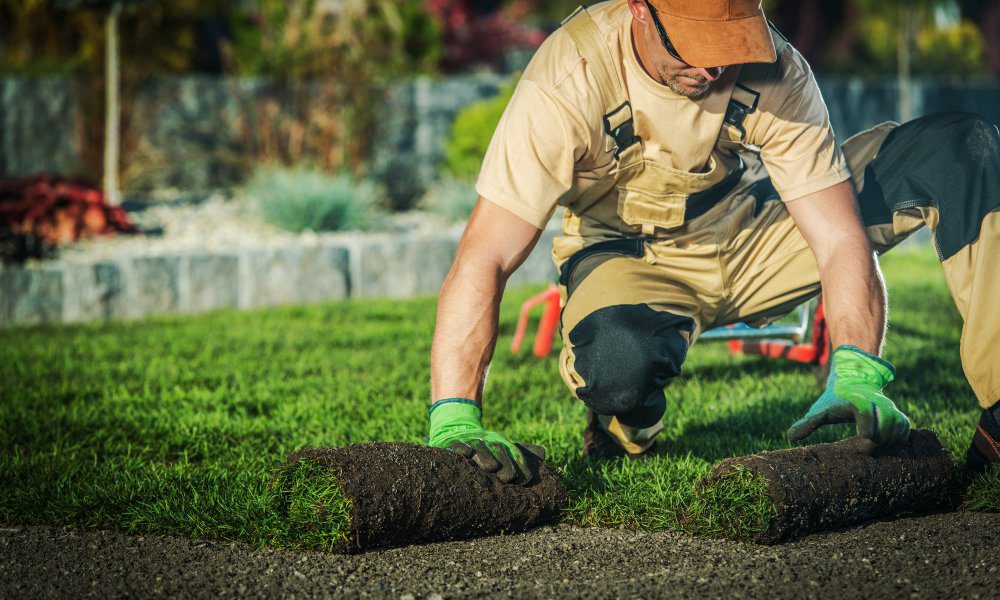
Launching a landscaping business offers plenty of opportunities to thrive, but it’s not always smooth sailing. New entrepreneurs often stumble into avoidable mistakes, wasting valuable time, money, and energy. Steering clear of these pitfalls can help you build momentum and grow more efficiently. Here’s a closer look at the areas that need your attention to hit the ground running.
Overlooking Solid Planning
A solid business plan doesn’t need to be overly complicated, but it should include your target market, pricing strategy, and startup costs. Without clear goals and plans, decision-making becomes guesswork, leading to financial missteps or missed opportunities.
Break things down into manageable steps. Decide early on how you’ll price services, what kind of clients you’ll target, and how much you’ll allocate for equipment, marketing, and other essentials.
Neglecting Trailer Safety
Improperly secured equipment can damage your tools, cause accidents, or even earn fines. Checking tire pressure, brake lights, and weight distribution should be standard practice before every trip. Invest in high-quality tie-downs and learn how to safely load and unload the trailer.
Treat your trailer like an extension of your business. When customers see you taking care of your tools and transport, it reflects positively on your professionalism.
Ignoring Customer Communication
Strong customer relationships matter just as much as your landscaping skills. Failing to communicate clearly leads to misunderstandings, which can upset clients or hurt your business. Listen to their needs, confirm project details, and set realistic timelines.
Setting expectations up front helps both sides feel confident and avoids the frustration of misaligned goals. Keeping clients updated on progress and potential delays shows reliability and builds trust, leading to repeat customers and referrals.
Underestimating Marketing Efforts
Many landscaping businesses rely solely on word-of-mouth marketing, but that can limit your growth. Skimping on marketing efforts means potential clients may not even know your business exists. A small budget for branding and advertising goes a long way in bringing those leads in!
Create a professional-looking website and be active on social media. Share before-and-after photos, customer success stories, or seasonal tips.
Failing To Invest in Quality Equipment
Low-quality tools may save money upfront, but they’ll cost you more in the long run. Broken or unreliable equipment disrupts schedules, frustrates clients, and increases repair expenses. Meanwhile, investing in durable, reliable tools saves time, energy, and customer satisfaction.
Keep your equipment in good condition by scheduling regular maintenance. Treat this as part of your business operations to avoid unexpected downtime or last-minute scrambles to rent replacements.
Skipping Financial Tracking
Many small businesses run into trouble because they lose track of their earnings and expenses. Without proper financial tracking, it’s difficult to know if you’re turning a profit or just breaking even. Tools like accounting software or a dedicated bookkeeper can help you organize budgets, invoices, and taxes.
Separate personal and business finances from the start. Having clear financial records isn’t just good practice; it helps you make smarter decisions for growth down the road.
Starting your landscaping business doesn’t have to be overwhelming. Avoid common mistakes like poor planning or neglecting customer communication, and you’ll develop a solid foundation for your business. With attention to detail and consistent improvement, you’ll set the scene for a successful and growing operation.