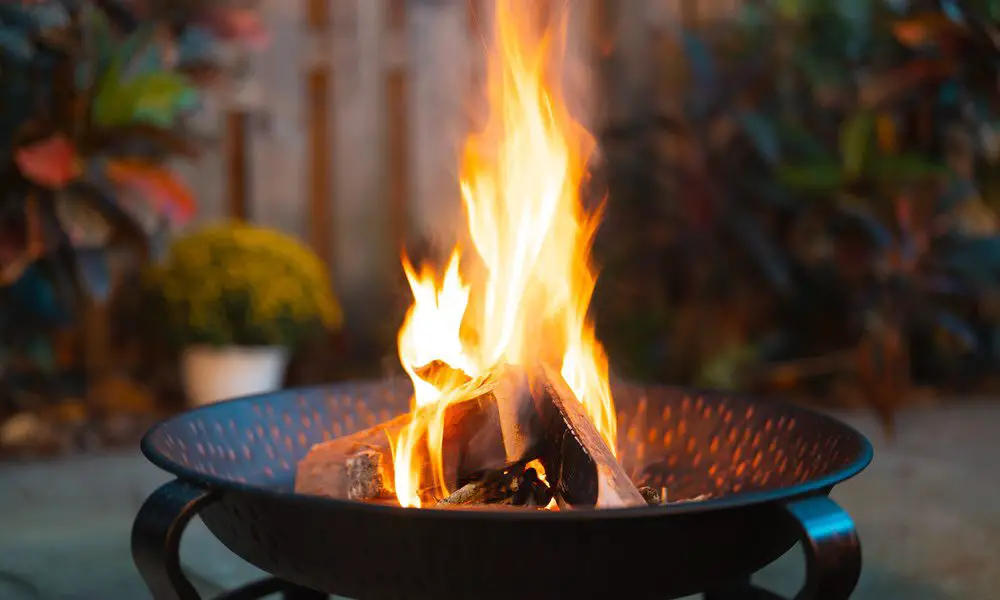
Nothing beats gathering around a crackling fire on a cool evening, sharing stories and roasting marshmallows under the stars. But before you strike that first match, placement matters more than you might think. The wrong spot can turn your cozy gathering into a smoky disaster or, worse, a safety hazard. Getting it right from the start means more enjoyment and fewer headaches down the road. Here’s how to find the right placement for your outdoor fire pit.
Distance and Safety
Your fire pit needs breathing room. Place it at least 10 to 20 feet away from your house, garage, shed, or any other structure. This distance protects your home from stray sparks and radiant heat that could ignite siding or roofing materials. Don’t forget about what’s overhead, either. Overhanging tree branches, power lines, and patio covers all pose fire risks. Low-hanging limbs can catch embers, while heat can damage or melt synthetic materials above. Clear the area of leaves, mulch, and other flammable debris before each use. A fire pit placed too close to wooden fences or deck railings creates unnecessary risk, so give yourself plenty of clearance on all sides.
Consider Wind Direction
Wind patterns can make or break your fire pit experience. Nobody wants to spend the evening dodging smoke or having it blow directly into their house through open windows. Observe how wind typically moves through your yard at different times of day. Prevailing winds often come from the same direction, so position your fire pit accordingly. If possible, place it where natural windbreaks like hedges or fencing can help redirect smoke away from seating areas and your home. When you choose the right outdoor fire feature and location together, you’ll maximize comfort and minimize those irritating smoke-in-the-face moments.
Check Local Regulations
Before you dig or pour concrete, check with your local fire department and municipality. Many cities and homeowner’s associations have specific rules about fire pit placement, size, and fuel type. Some areas ban open fires altogether during certain seasons, while others require permits or inspections. Regulations might dictate minimum distances from property lines or structures. Taking a few minutes to verify local codes prevents potential fines or the need to relocate your fire pit after installation. Your neighbors will appreciate your diligence, too, especially if setback requirements exist to protect adjacent properties.
Easy Access for Users and Maintenance
Think about the practical side of fire pit ownership. You’ll need to haul firewood, carry drinks and snacks, and occasionally clean out ashes. Place your fire pit where you can easily reach it from your house without having to trek across the entire yard. A clear pathway prevents trips and spills when your hands are full. Consider proximity to a water source or garden hose in case you need to douse the flames quickly. You’ll also want adequate space around the fire pit for comfortable seating arrangements. People naturally want to face the fire, so plan for chairs or benches on multiple sides with enough room for everyone to extend their legs and move around safely.
Your Fire Pit Placement Checklist
You’ve learned what makes a great fire pit location. Now take these factors and scout your yard with fresh eyes. Walk around at different times of day, note wind patterns, and measure distances. Check regulations and verify your property lines. The perfect spot balances safety, convenience, and enjoyment. Once you find it, you’ll create a gathering place that becomes the heart of countless memories. Start planning today, and soon you’ll be enjoying flames and good company in your thoughtfully placed outdoor fire feature.