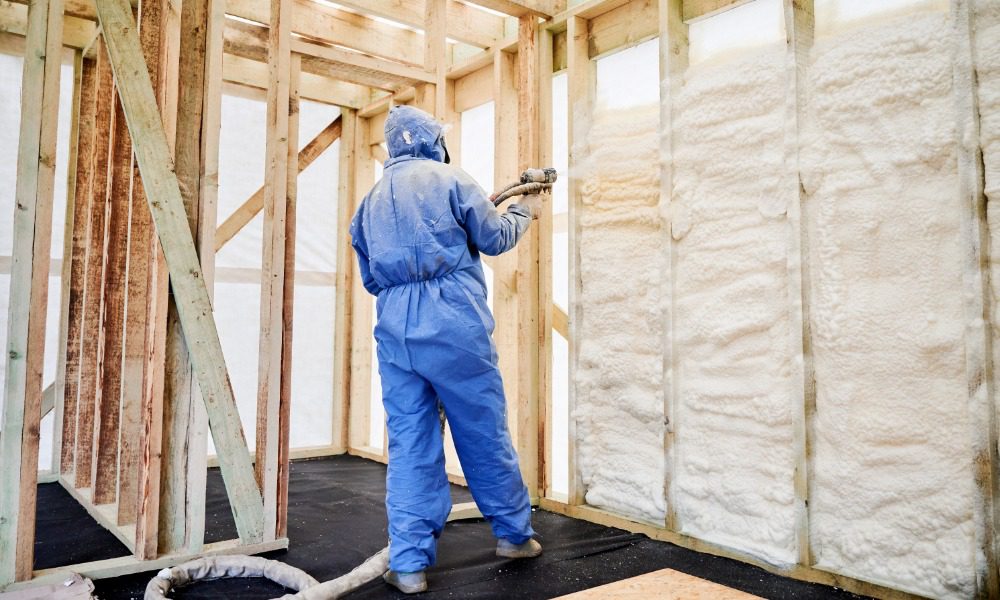
A home renovation can lower energy bills while creating an unexpected problem behind the walls. New insulation reduces heat loss, and tighter windows help maintain comfortable temperatures. Yet these improvements also change how air and moisture move through a house. Without proper planning, condensation can develop in places homeowners rarely inspect.
Homeowners can prevent moisture damage after home retrofits by considering how renovations affect ventilation and drying conditions. Moisture control deserves particular attention in older properties, where previous repairs and original construction methods may affect how building materials respond to changes.
A successful retrofit should improve the home’s performance without compromising its ability to manage water. That starts with recognizing potential moisture problems before they affect the building.
Why Energy-Efficient Homes Can Develop Moisture Problems
Older homes often leak conditioned air through gaps. Sealing them saves energy but also changes how much outdoor air enters.
Moisture travels through buildings in several ways: rain may enter through damaged flashing, humid indoor air can condense on cold surfaces, and vapor can pass through building materials. Each source requires a different solution.
For example, in a traditionally vented attic, insulation that blocks soffit vents can disrupt airflow. Gaps around ceiling openings may also let humid air reach cold roof surfaces, causing condensation on framing even as insulation improves thermal performance.
Homeowners should also consider how new materials interact with existing construction. Treating insulation and ventilation as connected systems can prevent problems that isolated upgrades miss.
Find and Fix Water Intrusion Before It Spreads
A leaking roof or damp foundation can compromise a retrofit. Insulating moisture-damaged materials may hide deterioration and make repairs harder.
Check roof flashing, window seals, and grading for signs of water entry. Indoors, stains and musty odors deserve attention, though they may not reveal the source. Condensation on windows can indicate high indoor humidity, while water around the frame may point to faulty flashing or seals.
Note when dampness occurs: after heavy rain, it may suggest water intrusion from outside; in cold weather, condensation may point to temperature-related issues. Have persistent moisture professionally evaluated, especially if damage is hidden behind finished surfaces. Addressing the source before replacing materials reduces waste and protects renovation investments.
Control Humidity Without Sacrificing Energy Savings
Everyday household activities introduce moisture into indoor air. Cooking releases water vapor, and bathing can raise humidity quickly in enclosed rooms.
A tighter building envelope makes reliable ventilation particularly important. Homeowners need controlled airflow that removes excess moisture without sacrificing the energy savings their renovations provide.
Use Exhaust Ventilation Where Moisture Starts
Bathrooms need exhaust systems that remove humid air at its source. Without adequate ventilation, recurring condensation can damage ceiling finishes and encourage mold growth.
Properly installed fans vent moisture outdoors through suitable ductwork. Effective exhaust ventilation can improve indoor air quality by removing humid air before it settles on nearby surfaces. Exhaust ducts should never end in an attic, where moisture can damage insulation and roof framing.
Kitchen ventilation matters, too. Recirculating range hoods may filter some cooking particles, but they do not remove water vapor from the home. After extensive air sealing, homeowners should consult qualified professionals about ventilation needs and combustion-appliance safety.
Monitor Humidity as Seasons Change
Indoor humidity levels fluctuate in response to outdoor weather and everyday household activities, such as cooking and showering. In some climates, conditions that remain comfortable during dry winter months may become problematic during a humid summer, when excess moisture can linger indoors.
A hygrometer offers a convenient way to track these changes over time. Homeowners can compare readings across seasons and investigate persistent increases to identify possible moisture sources. Dehumidifiers may help manage damp conditions in basements, but they cannot resolve an active leak or its underlying cause.
Climate also influences ventilation choices. Opening windows during humid weather can let moisture-laden air into the home, sometimes adding more moisture than it removes. This can be especially counterproductive in air-conditioned homes, where the cooling system may already be removing moisture from indoor air.
Choose Insulation That Supports Proper Drying
Insulation performance partly depends on how building materials manage moisture. Adding thermal resistance without considering drying can cause problems in concealed assemblies.
Vapor retarders limit moisture movement, but placement depends on climate and construction. Cold regions and hot, humid areas require different strategies; winter condensation risks in one climate may differ from summer cooling conditions elsewhere.
Before installing impermeable layers, homeowners should assess the existing wall assembly. Poorly placed barriers can trap moisture, and homeowners should investigate damp framing rather than cover it with insulation.
Attic renovations also require care: vented attics need clear ventilation openings, while unvented assemblies follow different requirements. A local building professional can recommend materials that support energy efficiency and moisture management.
Make Moisture Checks Part of Home Maintenance
A retrofit’s environmental benefits extend beyond reduced energy consumption. Durable materials reduce the need for premature replacement, helping homeowners conserve resources over the building’s lifetime.
Regular inspections can reveal problems before they affect larger areas of the home.
A manageable maintenance routine includes:
- After heavy rainfall: Inspect vulnerable ceilings and foundation areas for signs of water intrusion.
- During seasonal changes: Check humidity readings and investigate recurring condensation.
- After ventilation maintenance: Confirm that exhaust fans operate properly and outdoor outlets remain unobstructed.
These observations help homeowners recognize changes that deserve closer attention.
The same commitment to durability supports eco-friendly property development, which encourages responsible decisions about building materials and resource use.
Moisture control also helps preserve insulation performance. Water accumulation can reduce the effectiveness of certain materials, potentially undermining the energy savings homeowners expect. When problems recur, a professional assessment can identify hidden conditions that routine maintenance cannot resolve.
Protect the Long-Term Value of Your Retrofit
Preventing moisture damage after retrofitting a home means looking beyond the immediate improvements. Energy-efficient construction performs best when homeowners also account for drainage and the building’s drying conditions.
Routine inspections offer an opportunity to address small concerns before they require extensive repairs. A recurring damp patch or unusual humidity reading may reveal a problem worth investigating.
Long-lasting renovations conserve the materials already in place and reduce avoidable replacement waste. With appropriate moisture management, homeowners can protect their investment while maintaining the environmental benefits that inspired the retrofit.