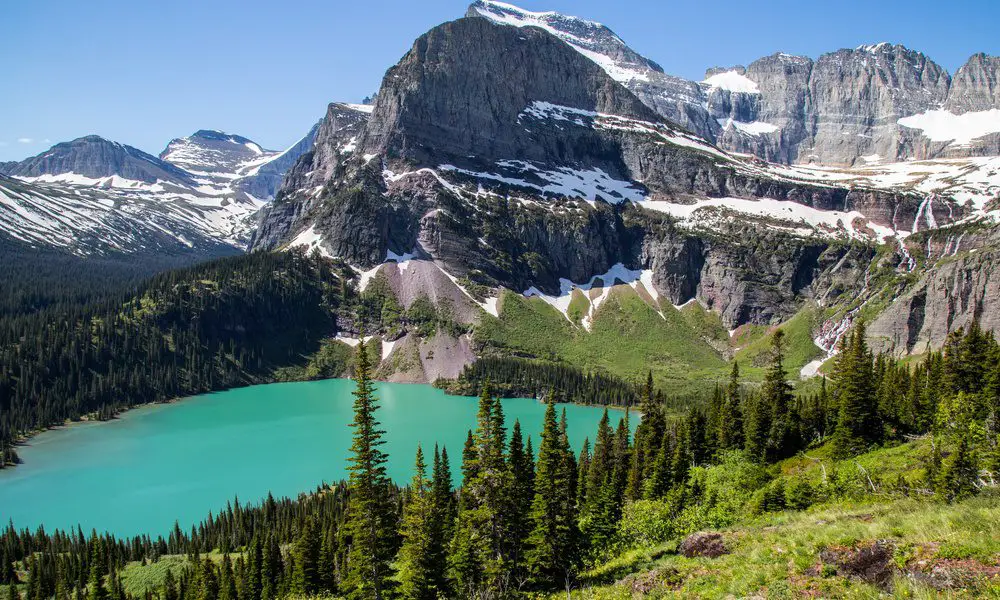
Millions of travelers head to the great outdoors every year to escape the noise of daily life. The fresh air, towering trees, and stunning vistas offer a perfect reset button. However, these wild spaces are fragile. They require our respect and protection to stay pristine. When you visit, you become a steward of the land. Following national park regulations keeps the ecosystem healthy and ensures you stay safe during your adventure.
Leave No Trace
The “Leave No Trace” principle serves as the golden rule of outdoor ethics. You must pack out everything you pack in. This includes obvious items like plastic bottles and wrappers, but it also applies to biodegradable items. Many hikers mistakenly believe an apple core or banana peel will decompose naturally and quickly. In reality, these scraps take a long time to break down in certain climates. They also attract wildlife to the roadside, which endangers the animals. Always carry a trash bag with you and inspect your rest stops for micro-trash before you leave.
Give Wildlife Space
Seeing a bear, moose, or bison in its natural habitat thrills almost every visitor. However, these are wild animals, not trained pets. They need space to feel secure. Approaching them causes unnecessary stress and creates dangerous situations for both you and the animal. Park rangers generally recommend staying at least 100 yards away from bears and wolves, and 25 yards away from bison and elk. Use binoculars or a telephoto lens to get a closer look. If an animal changes its behavior because of your presence, you are too close.
Stick to the Designated Trail
Park staff create trails to lead you through the landscape while minimizing damage to the soil and vegetation. Stepping off the path—even for a quick photo—tramples fragile plants and disturbs the soil crust. This leads to erosion and scars the landscape for decades. “Social trails,” or unofficial paths made by hikers cutting switchbacks, confuse other visitors and destroy habitats.
When you decide to add one to your vacation itinerary, check the park’s specific trail maps and difficulty ratings beforehand. Knowing the route prevents you from wandering off-course and helps preserve the environment for everyone else.
Practice Fire Safety
Campfires define the camping experience for many people, but they also pose a massive risk. Human carelessness causes the majority of wildfires. Only build fires in designated metal rings or grills. Never leave a fire unattended, even for a minute. When you finish, drown the fire with water and stir the ashes with a shovel or stick. Repeat this process until the ashes feel cool to the touch. If it is too hot to touch, it is too hot to leave.
Be Considerate of Others
Most people visit parks to find peace and quiet. Loud music and boisterous behavior ruin that serenity. Leave portable speakers at home and listen to the sounds of nature instead. Furthermore, familiarize yourself with basic trail etiquette to avoid congestion and frustration.
Follow these simple guidelines to keep the trails enjoyable:
- Yield to hikers going uphill, as they have the harder job.
- Step aside to let faster hikers pass you.
- Keep your voice down at campsites during quiet hours.
- Move off the trail when you stop for a snack or a break.
Protect These Places for Tomorrow
National parks belong to everyone, which means everyone shares the responsibility of caring for them. By adhering to these guidelines, you actively protect the wildlife, the landscape, and the experience for future visitors. Treat these wild places with the respect they deserve, and they will continue to inspire awe for generations to come.