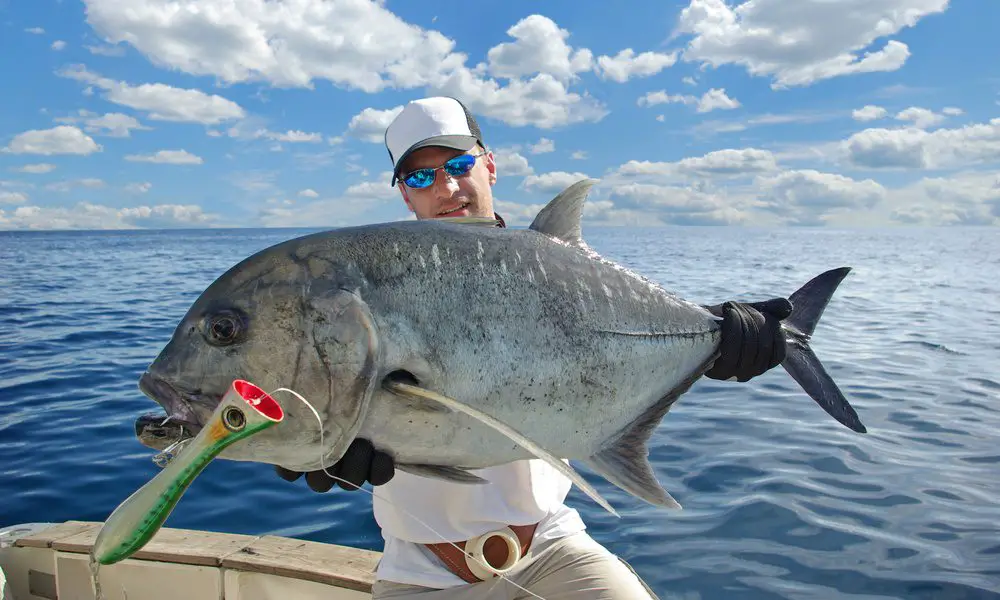
Deep sea fishing captures the hearts of outdoor enthusiasts who crave the thrill of battling powerful fish in open waters. Fall presents an exceptional opportunity for anglers, as cooler temperatures bring active fish closer to the surface and create more comfortable conditions on deck. However, venturing into deeper waters requires careful preparation and respect for the marine environment and safety protocols.
Fall fishing conditions present unique challenges and opportunities that demand specific strategies and preparation. Follow along as we cruise through several deep sea fishing dos and don’ts that are sure to promise a good time.
Do: Plan Your Trip With Weather in Mind
Checking weather conditions becomes crucial during fall months when weather patterns shift rapidly. Marine forecasts provide essential information about wind speeds, wave heights, and storm systems that could affect your trip. Book your charter well in advance, as fall represents prime fishing season and popular dates fill quickly.
Contact your charter captain 24 – 48 hours before departure to confirm conditions and discuss any last-minute changes. Experienced captains monitor weather systems closely and will reschedule trips when conditions become unsafe. This communication protects your investment and your safety.
Do: Master Your Clothing Strategy
Fall weather demands a layered approach to clothing that allows quick adjustments as conditions change throughout the day. Start with moisture-wicking base layers that keep sweat away from your skin, add insulating mid-layers for warmth, and top these with a waterproof outer shell to protect against spray and rain.
Pack extra clothing in waterproof bags, as fall conditions can shift from calm and warm to cold and wet within hours. Bring waterproof gloves to maintain grip on fishing equipment when hands get cold or wet. Non-slip deck shoes with good tread prevent accidents on wet surfaces.
Avoid cotton clothing, which retains moisture and loses its insulation properties when wet. Synthetic materials and merino wool perform better in marine environments and dry faster if they get soaked.
Don’t: Underestimate Sun Exposure
Many anglers overlook sun protection during fall trips, assuming cooler air temperatures reduce UV exposure. However, reflection off water intensifies solar radiation, and you can suffer severe sunburn even on cloudy days. Apply broad-spectrum sunscreen with SPF 30 or higher to all exposed skin, including often-forgotten areas like ears, neck, and hands.
Wear a wide-brimmed hat that stays secure in windy conditions, and invest in quality polarized sunglasses to reduce glare and help you spot fish in the water. UV-protective clothing provides additional protection for arms and torso.
Pro Tip
Reapply sunscreen every two hours, or more frequently if you’re sweating heavily or getting splashed. Pack extra sunscreen in case other anglers forget their protection.
Do: Prioritize Hydration and Nutrition
Dehydration occurs quickly in marine environments, especially when combined with physical exertion and salt spray. Pack more water than you think you’ll need, and drink regularly throughout the trip rather than waiting until you feel thirsty. Avoid excessive alcohol consumption, which impairs judgment and increases dehydration.
Bring energy-sustaining snacks that won’t spoil in marine conditions. Nuts, dried fruits, energy bars, and sandwiches in sealed containers work well. Avoid foods that create strong odors or attract insects to the boat.
Pack a light lunch if your charter doesn’t provide meals, but check with your captain about food policies and storage space before bringing large quantities of food aboard.
Do: Communicate Effectively With Your Crew
Charter crews possess invaluable knowledge about local fishing conditions, techniques, and safety procedures. Listen carefully to their instructions and ask questions if you don’t understand something. They want you to succeed and stay safe, so their guidance comes from experience.
Inform the crew about your fishing experience level so that they can adjust their teaching and assistance accordingly. Don’t pretend to have more experience than you possess, as this can create dangerous situations or missed opportunities.
Alert the crew immediately if you feel seasick, need assistance with equipment, or notice any safety concerns. Early communication prevents small problems from becoming major issues.
Don’t: Ignore Seasickness Prevention
Fall waters can produce rougher seas as weather systems move through, making seasickness more likely. Take preventive medication according to package directions before boarding the boat, not after symptoms appear. Natural remedies like ginger supplements can also help sensitive stomachs.
Position yourself in the center of the boat where motion feels less pronounced, and focus on the horizon rather than looking down at the water or into the boat. Fresh air combats nausea, so spend time on deck rather than in enclosed cabin areas.
Do: Practice Responsible Fishing Ethics
Respect size and bag limits established by local regulations, which protect fish populations for future generations. These limits change seasonally and by species, so verify current regulations before your trip. Your charter captain should know local rules, but responsible anglers educate themselves independently.
Practice proper catch and release techniques when appropriate, using circle hooks and handling fish gently to maximize survival rates. Take photos quickly and return fish to the water promptly when releasing them.
Avoid disturbing marine mammals, sea birds, and other wildlife you encounter during your trip. Maintain appropriate distances and never feed wild animals.
Pack Smart for Success
When gathering essentials for your next deep sea fishing trip, focus on quality over quantity. Bring tackle appropriate for your target species, but don’t overpack your gear bag with unnecessary items that create clutter on the boat. Most charter boats provide basic tackle, but bringing your own ensures you have familiar equipment.
Pack personal items in waterproof containers or bags to protect them from spray and rain. Include seasickness medication, sunscreen, extra clothing, snacks, water, and any prescription medications you require.
Don’t forget safety equipment like a whistle, which can signal for help in emergency situations. Make sure your phone stays charged and consider bringing a portable battery pack for extended trips.
Embrace the Fall Fishing Experience
Fall deep sea fishing offers unique rewards for outdoor enthusiasts willing to prepare properly and follow a few dos and don’ts. Cooler temperatures make long days on the water more comfortable, while active fish populations create exciting opportunities for memorable catches. Success comes from balancing preparation with flexibility, safety consciousness with adventure, and personal goals with environmental responsibility.
Remember that every trip provides learning opportunities, whether you catch your limit or return empty-handed. The combination of open ocean, fresh air, and the possibility of landing the fish of a lifetime creates experiences that last far beyond the actual fishing trip.