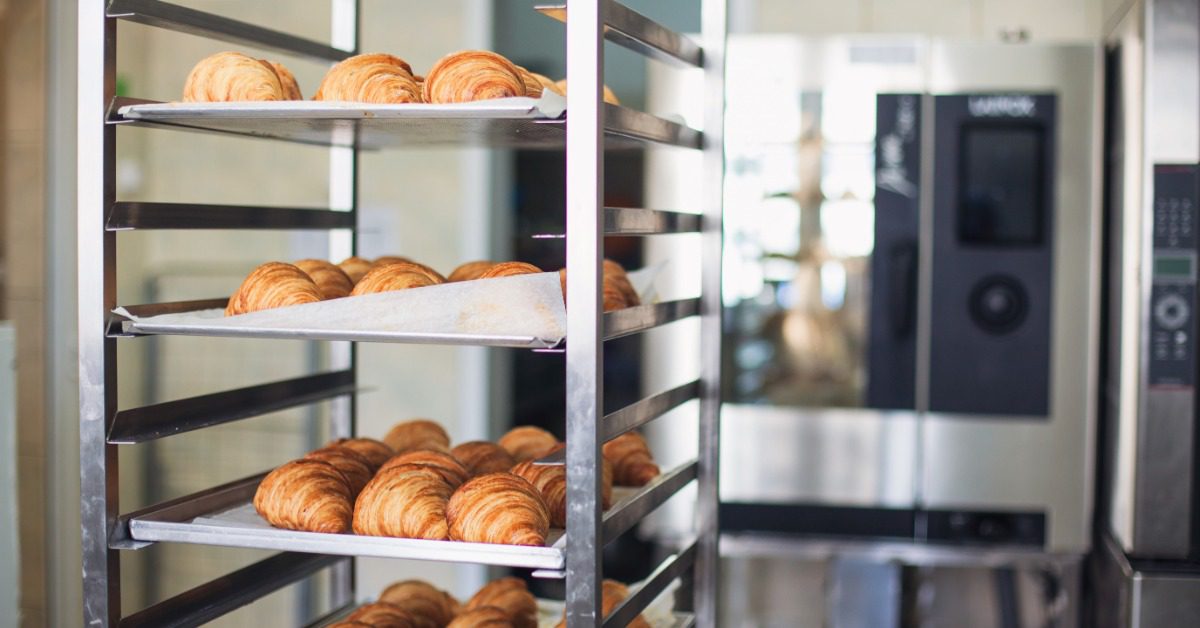
The aroma of buttery croissants and freshly baked cinnamon rolls can make an early morning bakery visit irresistible. Behind these delicious breakfast treats, bakers follow carefully planned routines to manage the busiest hours of their day. Every fresh batch reflects hours of preparation before the first customer enters the shop.
A successful bakery morning requires more than excellent recipes and quality ingredients. Bakers must manage dough preparation, organize their workstations, and coordinate baking schedules to deliver consistent results. Each decision influences the freshness of the pastries and the efficiency of the kitchen.
1. Planning the Morning Pastry Menu
Bakery teams begin by reviewing customer preferences and previous sales records. These details help them estimate demand and select pastries for the following morning. A bakery near an office district might prioritize croissants and muffins for commuters who need a quick breakfast. Neighborhood bakeries may focus on sweet buns, savory puffs, and other favorites that appeal to local families.
Seasonal ingredients also influence menu decisions, especially when bakeries introduce fruit-filled pastries or festive specialties. In India, customers might enjoy vegetable puffs alongside traditional bakery biscuits. French-inspired cafés may emphasize buttery croissants and chocolate pastries instead. Careful menu planning helps bakers purchase appropriate ingredient quantities and prevent excessive production during slower mornings.
2. Preparing Dough the Night Before
Many professional bakeries begin morning pastry preparation during the previous evening. Bakers mix dough and prepare fillings before organizing the ingredients they will need at dawn. This approach allows them to complete time-consuming tasks without competing with the morning baking schedule. It also gives certain doughs enough time to rest or ferment under suitable conditions.
Croissant dough requires particular attention because bakers must fold butter between layers of dough. Refrigeration periods help maintain those layers and prevent the butter from becoming too soft. Bakers can also prepare pastry cream or fruit fillings in advance, following appropriate food storage practices. Home bakers can adopt this approach by preparing suitable dough overnight and refrigerating it according to the recipe.
3. Controlling Dough Temperature for Better Texture
Temperature affects how pastry dough behaves during preparation and baking. Bakers keep laminated dough cool enough to maintain distinct butter layers during rolling and folding. Excessive warmth can soften the butter and compromise the delicate structure of croissants or puff pastries. Proper temperature control helps pastries develop the flaky texture that customers expect from a freshly baked treat.
Different pastry varieties require different handling methods, so bakers adjust their techniques accordingly. Yeast-based dough needs suitable fermentation conditions to develop flavor and rise properly. Shortcrust pastry benefits from cool handling because excessive warmth can make shaping more difficult. Home bakers can improve their results by returning soft pastry dough to the refrigerator before continuing.
4. Shaping and Portioning Pastries Consistently
Once the dough reaches the correct consistency, bakers divide it into individual portions. Consistent shapes and sizes help pastries bake evenly and maintain an attractive appearance. A kitchen scale allows bakers to measure portions accurately instead of estimating quantities by sight. Pastry cutters and rolling equipment also help busy kitchens maintain uniform results across larger batches.
Beyond maintaining uniform portions, efficient cutting techniques allow bakeries to reduce dough waste during daily production. Bakers arrange pastry shapes carefully to limit unnecessary scraps and maintain consistent thickness. They also plan cutting patterns before dividing large sheets of pastry dough. These simple practices help kitchens use ingredients efficiently without compromising pastry quality.
5. Proofing Pastries Before Baking
Yeast-raised pastries need sufficient proofing time to develop their characteristic texture. During this stage, yeast produces gas that expands the dough and creates a lighter interior. Bakers monitor the dough’s appearance and growth to determine when it reaches the appropriate stage. Rushing this process can leave pastries dense, whereas excessive proofing may weaken their structure.
Professional bakeries sometimes use proofing cabinets to maintain suitable temperatures and humidity levels. These cabinets give bakers greater control when preparing large quantities of dough. Smaller bakeries may rely on carefully managed room conditions and flexible production schedules. Home bakers should follow their recipe’s proofing instructions and observe the dough instead of relying entirely on a timer.
6. Organizing Oven Schedules for Fresh Pastries
A bakery oven becomes one of the busiest workstations before opening time. Bakers arrange batches according to their required temperatures and baking durations. Croissants need enough heat to develop crisp outer layers, but delicate sweet buns may require gentler conditions. A clear baking schedule helps staff coordinate batches without compromising texture or appearance.
Bakers also consider oven capacity when preparing larger pastry quantities. Overcrowded trays can restrict airflow and cause uneven browning, particularly in ovens that rely on convection. Teams may bake popular breakfast products first and prepare additional batches as demand increases. This approach helps customers enjoy fresh pastries throughout the morning instead of receiving products from one oversized batch.
7. Adding Fillings and Finishing Touches
Freshly baked pastries need thoughtful finishing touches to enhance their appearance and flavor. Bakers apply egg wash before baking suitable pastries to encourage a golden, glossy surface. After baking, they may add powdered sugar or fruit glaze to complement different fillings. These small details help create the appealing pastry displays that attract breakfast customers.
Timing also matters when bakers decorate delicate pastries. Hot pastries can melt icing, so bakers allow suitable products to cool before adding decorative finishes. Cream fillings require careful temperature control and appropriate refrigeration to maintain food safety.
8. Arranging Pastries for the Breakfast Crowd
Once the pastries reach their ideal serving condition, bakery staff arrange them in display cases. An organized counter helps customers identify their favorite breakfast options without searching through crowded trays. Clear labels distinguish sweet pastries from savory varieties and communicate important ingredient information. Attractive displays also allow customers to appreciate the colors and textures of freshly baked products.
Staff monitor display quantities as customers arrive and replenish popular items when necessary. They also follow suitable holding temperatures to protect product quality and food safety. Cream-filled pastries and other perishable products may require refrigeration instead of room-temperature display. A well-managed counter supports efficient customer service and keeps the breakfast selection appealing during busy periods.
9. Managing Leftovers and Planning the Next Day
The morning rush provides useful information about customer demand and production accuracy. Bakery managers track popular pastries and record quantities that remain after peak service. These observations reveal which products need larger batches and which items require smaller production quantities. Regular sales reviews help bakeries improve future planning without sacrificing the variety customers enjoy.
Waste management also plays an important role in morning pastry preparation. Bakers can reduce avoidable losses through accurate measurements and suitable storage methods. Some dough trimmings may work in other products when the recipe and food safety requirements permit. Careful handling protects ingredient quality and supports more efficient bakery operations throughout the week.
The Preparation Behind Every Fresh Pastry
Fresh morning pastries reflect the planning and attention that bakers bring to their daily routines. Every stage, from overnight dough preparation to the final display arrangement, influences the customer’s breakfast experience. Professional bakeries combine practical scheduling with careful baking techniques to maintain quality during their busiest hours. Home bakers can apply the same principles to create delicious pastries and enjoy a more relaxed start to the day.