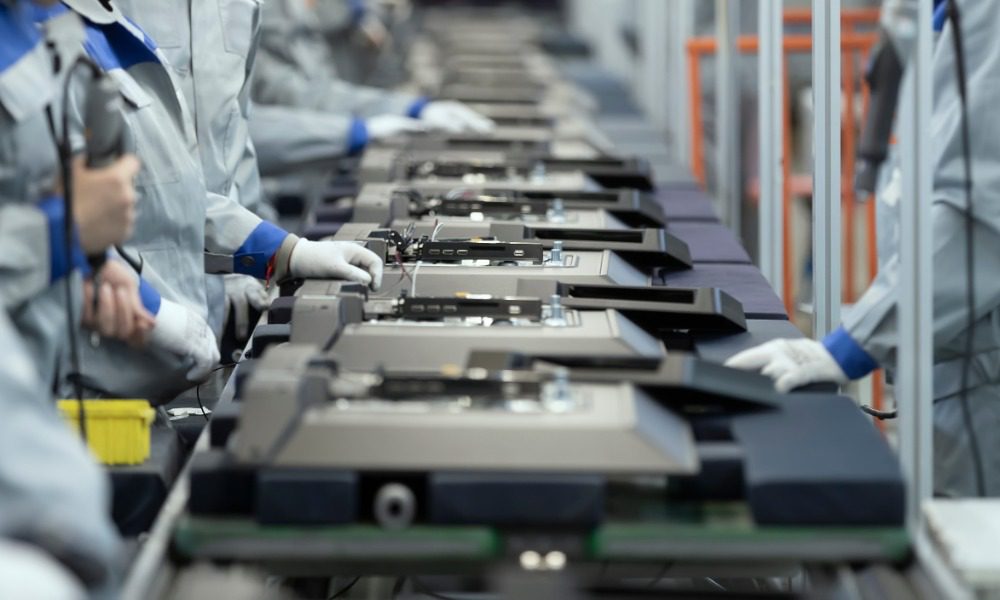
An assembly line should run like a well-rehearsed team. Every station handles its part, materials move smoothly, and products reach the finish line without unnecessary delays. Unfortunately, even the most organized manufacturing operations encounter bottlenecks that slow everything down.
Manufacturers don’t always need expensive equipment or major facility upgrades to improve production flow. Sometimes, a few smart adjustments make a surprising difference.
Understanding where delays happen and why they occur helps teams work more efficiently. With the right approach, manufacturers can reduce bottlenecks on the assembly line while keeping production moving steadily.
1. Identify Where Production Slows Down
Before solving a bottleneck, manufacturers need to figure out exactly where it happens. Some delays stand out immediately, while others quietly disrupt production throughout the day.
Watch how materials move between workstations and pay attention to areas where unfinished products accumulate. These backups often reveal which processes struggle to keep pace.
Production data can also tell an interesting story. Compare the time each workstation needs to complete its tasks and look for noticeable differences. If one station consistently takes longer than the others, it might limit the entire line’s output. Identifying the actual problem prevents teams from wasting resources on unnecessary improvements.
2. Balance Workloads Across Assembly Stations
Imagine one employee rushing to complete a complicated assembly while another waits for the next component. That imbalance creates unnecessary downtime and makes production less predictable. Assembly line balancing helps distribute tasks more evenly across workstations. The goal is to keep everyone productive without overwhelming individual operators or machines.
Start by reviewing the amount of time each assembly task requires. Move suitable activities between stations when equipment capabilities and safety requirements allow. Sometimes, dividing a complicated task into smaller steps improves the overall workflow. Even minor adjustments can prevent one workstation from becoming the production line’s biggest obstacle.
3. Improve Material Flow and Organization
Nothing interrupts a productive workday quite like searching for missing components. Workers lose valuable minutes when materials arrive late, or supplies sit in inconvenient locations. Multiply those delays across an entire shift, and the impact becomes significant. A well-organized production floor helps employees access what they need without constantly interrupting their work.
Manufacturers can improve material flow by placing frequently used components closer to their assembly stations. Clear storage locations also reduce confusion during busy production periods.
Consider how workers move between equipment and whether unnecessary travel slows their progress. Better organization supports faster production without forcing employees to work harder.
4. Use Automation Where It Makes Sense
Automation can help manufacturers eliminate repetitive tasks that consistently slow production. Machines handle certain activities more consistently, especially when processes demand precise movements.
However, automation works best when companies target specific problems rather than replacing equipment simply because newer technology exists. A thoughtful approach delivers better results.
Fastening operations offer a useful example. Manufacturers researching how to choose the right fastening system should consider production speed, fastener characteristics, and assembly requirements. Automatic feeding and screwdriving equipment can reduce manual handling while supporting consistent installation.
5. Reduce Equipment Downtime Through Maintenance
A machine breakdown can bring an otherwise productive assembly line to a sudden stop. When one critical station fails, everything behind it may begin piling up. Emergency repairs often cost more than routine maintenance and create unpredictable production schedules. Preventive maintenance helps manufacturers address potential problems before they interrupt operations.
Rather than waiting for equipment to fail, set maintenance schedules based on manufacturer recommendations and actual operating conditions. Inspect components regularly and replace worn parts before they create larger issues.
Encourage operators to report unusual noises or inconsistent machine performance. These small habits help production teams avoid frustrating interruptions and maintain reliable output.
6. Make Quality Control Part of the Process
Finding a defective product at the end of an assembly line creates more work for everyone. Employees must identify the problem, determine its cause, and potentially repeat earlier production steps. These corrections consume time that teams could spend completing new products. Catching quality problems earlier helps prevent unnecessary backups.
Introduce appropriate quality checks at critical assembly stages instead of relying entirely on final inspections. Clear work instructions also help employees complete tasks correctly the first time.
When defects appear repeatedly, investigate the process rather than simply correcting individual products. Improving quality at the source keeps production moving and reduces costly rework.
7. Improve Communication Between Production Teams
Even efficient machines cannot compensate for poor communication. When employees lack information about production changes or material shortages, small issues can quickly become major disruptions.
Clear communication helps teams respond before problems spread throughout the assembly line. Everyone should understand their responsibilities and know when to report concerns.
Manufacturers can strengthen communication through a few practical habits:
- Hold brief shift meetings: Review production goals and discuss potential challenges before work begins.
- Create clear reporting procedures: Give employees a simple way to communicate equipment problems or material shortages.
- Share production updates: Keep teams informed when schedules or priorities change.
- Encourage operator feedback: Ask employees which daily tasks create unnecessary delays.
These habits help teams solve problems faster. Employees who work directly with assembly equipment often notice opportunities for improvement that managers might otherwise overlook.
8. Track Performance and Make Small Improvements
Reducing bottlenecks requires more than solving one problem and moving on. Production demands change, equipment ages, and new products introduce different assembly requirements. Manufacturers need reliable performance measurements to recognize when another bottleneck develops.
Track useful metrics such as cycle time, downtime, and production output. Compare results before and after making workflow adjustments to determine whether changes actually help. Avoid chasing impressive numbers that offer little practical value. Focus on measurements that reveal how smoothly products move through the assembly process.
Small improvements deserve attention, too. Saving a few seconds at a frequently repeated workstation can produce meaningful gains over thousands of cycles. Continuous improvement creates a workplace where efficiency becomes an everyday priority.
Keep Your Assembly Line Moving Forward
Reducing assembly line bottlenecks doesn’t always require complicated solutions. Often, the biggest improvements come from recognizing inefficient processes and making practical adjustments.
Better workstation balance and stronger communication can help manufacturers maintain consistent production. Every improvement creates an opportunity to reduce unnecessary delays.
The key is to treat efficiency as an ongoing effort rather than a one-time project. When manufacturers address problems early, they create smoother workflows and more dependable operations. A productive assembly line doesn’t happen by accident. It develops through thoughtful planning and consistent improvements.