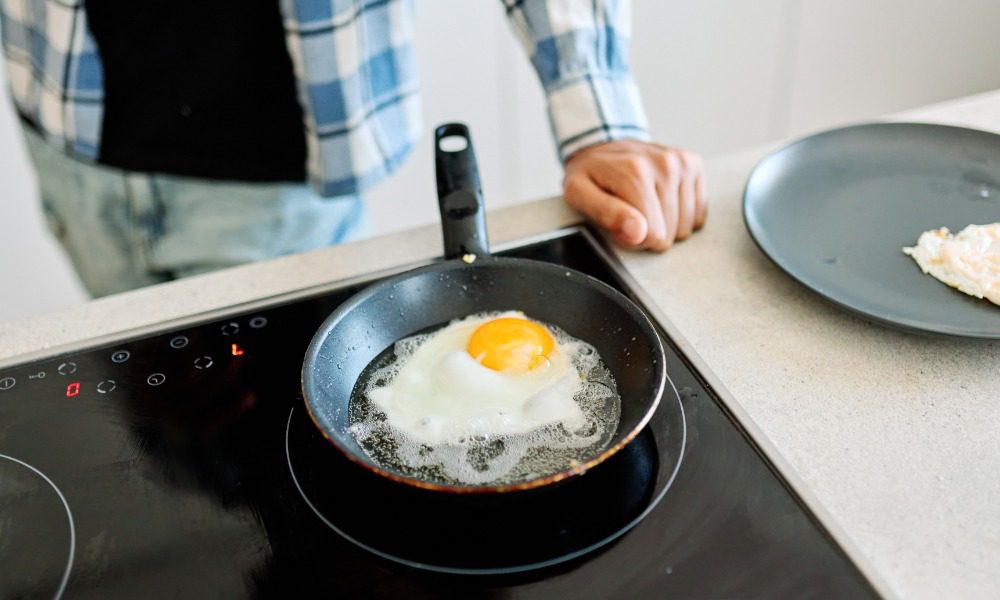
Have you ever followed a familiar recipe with duck eggs instead of chicken eggs, only to notice that the results weren’t quite what you expected? You might end up with a richer omelet or a cake that rises differently than usual. Although both varieties work in many of the same dishes, they don’t always behave identically when you cook with them. Understanding their differences can help you make substitutions confidently and get better results from your favorite recipes.
1. Duck Eggs Offer a More Distinctive Taste
One of the first differences you’ll notice when cooking with duck eggs is their distinctive flavor. Compared with chicken eggs, they often taste richer because they generally contain a higher proportion of yolk. However, the intensity can vary depending on the birds’ diets and the freshness of what you’re cooking.
If you enjoy a delicate breakfast, chicken eggs might suit your preferences better. Their relatively mild flavor works particularly well when you want other ingredients to take center stage. Duck eggs offer something different. You may appreciate their richness in dishes where the yolk contributes significantly to the overall taste, such as a simple fried egg served over warm rice.
Which Tastes Better in Recipes?
Neither variety automatically produces a better dish. If you’re preparing something with bold seasonings, you might barely notice the difference. In a lightly seasoned omelet, however, the richer taste of duck eggs can become more apparent.
Try preparing each variety with the same amount of butter and seasoning. You’ll get a clearer impression of their individual flavors without other ingredients influencing your comparison.
2. Size Changes Your Recipe Measurements
When comparing duck eggs versus chicken eggs, their cooking differences become especially important when a recipe specifies an exact quantity. Duck eggs typically weigh more, so replacing one chicken egg with one duck egg can change the proportions of your dish.
This matters most in baking, where small changes in ingredient ratios can affect the finished product. Adding too much egg may change the structure of a cake or introduce more moisture than the recipe needs.
Measure Eggs for Accurate Substitutions
Rather than substituting by number, crack your eggs into a bowl and weigh the contents without their shells. You can then match the weight your recipe requires.
If you’re following a recipe that specifies large chicken eggs, use approximately 50 grams of beaten egg per large egg as a practical starting point. A kitchen scale makes this adjustment straightforward, particularly when you’re preparing pastries that require precise measurements.
For casual cooking, you won’t always need that level of accuracy. A generous omelet can accommodate a larger egg much more easily than a delicate sponge cake.
3. Yolks Affect Richness and Texture
Duck eggs generally have larger yolks relative to their whites, which can influence the consistency of certain dishes. You’ll notice this difference most clearly when preparing recipes that depend on yolks for their creamy texture.
Consider homemade custard. When you use duck yolks, their higher fat content can contribute to a richer finished dessert. However, you’ll still need to control the temperature carefully to prevent the proteins from coagulating too quickly.
Make Custard With Duck Eggs
To prepare homemade custard, heat milk over a low flame and add a splash of vanilla for flavor. In another container, beat the duck yolks with sugar until combined, then slowly introduce the heated milk in small amounts, stirring constantly to prevent the mixture from scrambling.
Transfer the custard back to the saucepan and continue cooking over gentle heat, stirring regularly until it develops a smooth consistency that clings to your spoon. Avoid boiling it, since excessive heat can cause curdling. Use a food thermometer to ensure your custard reaches a safe cooking temperature. Once you’re comfortable making custard, you can experiment with other easy ways to cook duck eggs, including preparations that let you appreciate their rich yolks differently.
4. Egg Whites Behave Differently When Whipped
You might notice another difference when preparing meringues or recipes that require whipping egg whites. The whites from duck eggs tend to have a thicker consistency, especially when fresh, which can affect the whipping process.
This can make them more challenging to whip initially. However, with proper technique, you can develop a stable foam suitable for certain baked desserts. The key is to work with clean equipment and avoid introducing any yolk into the whites. Fat interferes with foam formation, regardless of which variety you’re using.
Get Better Results With Meringues
If you’re experimenting with recipes that require whipped whites, let them reach room temperature first. As they warm up, their consistency becomes less thick, making them easier to work with. Begin whisking at a moderate speed until the whites turn foamy. Gradually incorporate sugar according to your recipe, then continue until you reach the required peak consistency.
Pay attention to the foam rather than relying entirely on the mixing time. Duck and chicken whites may require different amounts of whipping, so visual cues will help you avoid overbeating.
5. Cooking Times Can Vary
Because duck eggs tend to be larger, they may need additional cooking time when prepared whole. You’ll notice this particularly when boiling them. A cooking time that produces your preferred chicken egg yolk might leave a larger duck egg less set. Shell thickness and starting temperature can also influence the result.
For fried eggs, the difference isn’t always as straightforward. You can adjust the heat to cook the whites thoroughly without allowing the yolks to become excessively firm.
Adjust Your Cooking Technique
When you’re preparing duck eggs for the first time, consider these practical adjustments:
- Boiling: Allow additional cooking time for larger eggs and check the results to establish your preferred timing
- Frying: Use moderate heat to help the thicker whites cook without excessively browning the underside
- Scrambling: Stir gently over low heat to maintain a tender consistency
- Baking: Match the required egg weight rather than substituting individual eggs without measuring
For food safety, cook eggs until both the whites and yolks are firm, or use pasteurized eggs for preparations that call for raw or lightly cooked eggs.
Make the Most of Both Varieties
You don’t need to choose one variety exclusively. Instead, consider what you’re preparing and whether a richer yolk or a more familiar ingredient ratio would benefit the dish. Understanding the cooking differences between duck eggs and chicken eggs gives you more flexibility when experimenting with recipes. You’ll also become more comfortable making adjustments rather than assuming every substitution will produce identical results.
The next time you visit a farmers market, pick up a few duck eggs alongside your usual chicken eggs. Choose a favorite recipe, prepare a small batch with each variety, and see which version earns a permanent place in your kitchen.