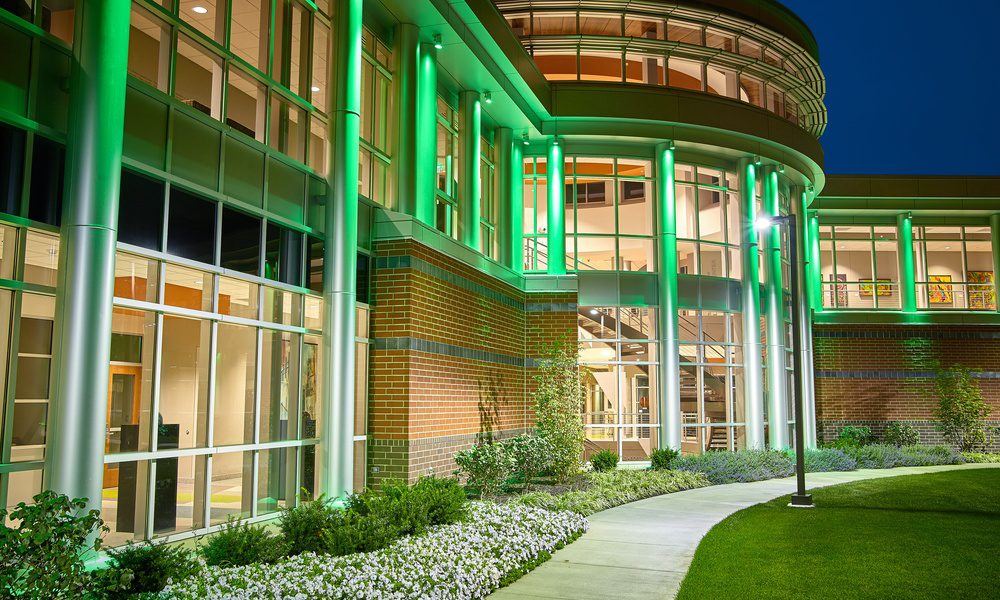
Clear lighting around walkways and entrances helps business owners reduce risk, support access, and create a more professional property experience. A strong lighting plan also helps employees and visitors move with more confidence after dark.
Good exterior lighting does more than brighten a path. It guides movement and supports security teams during early morning or evening hours. Take a closer look at how to plan lighting for safer commercial walkways and entrances.
Start With Traffic Patterns
Business owners should begin by reviewing how people actually move around the property. Main entrances, side doors, delivery paths, parking connections, and accessible routes all need careful attention.
Walk the site during evening hours and look for shadows near doors or turns. Reviewing the property can reveal gaps that daytime inspections often miss.
Focus on Visibility at Entry Points
Entrances need consistent light because people stop there to unlock doors or check signs. Poor lighting near access points can create safety issues and make the property feel less secure.
Lighting should help people see steps, thresholds, keypads, handles, and signage. Fixtures should also limit glare that can make faces or obstacles harder to see.
Match Fixture Type to the Area
Different areas need different lighting solutions. A fixture that works above a doorway may not work well along a long walkway.
Common options include:
- Wall-mounted lights for doors and building edges
- Pole-mounted lights for wider pedestrian routes
- Bollard lights for paths near landscaping
- Canopy lights for covered entrances
- Motion-controlled fixtures for lower traffic areas
Each fixture should serve a clear purpose. Unnecessarily installing too much lighting can waste energy and create uncomfortable glare.
Plan for Security and Cameras
Lighting supports security when it reduces shadows and gives cameras a clear view. Bright spots next to dark areas can make camera footage less useful.
Business owners should coordinate lighting with camera angles and door access points. With the right exterior LED strategy, facilities can improve security and reduce costs through better coverage and lower energy use.
Consider Energy Use and Controls
Modern LED fixtures can reduce operating costs compared with older exterior lighting. Controls can improve savings further without leaving key areas dark.
Timers, photocells, and motion sensors help match lighting to actual need. A walkway may need full brightness during business hours but lower output after closing.
Keep Accessibility in Mind
Walkways and entrances should help all visitors move safely. Lighting should make elevation changes, ramps, handrails, and curb transitions easy to identify.
Consistent brightness matters more than extreme brightness. A balanced plan reduces confusion and supports a better experience for every visitor.
Planning lighting for commercial walkway and entrance lighting works best when business owners treat it as part of a broader property plan. The right mix of placement, fixture type, and controls can improve safety while controlling costs.