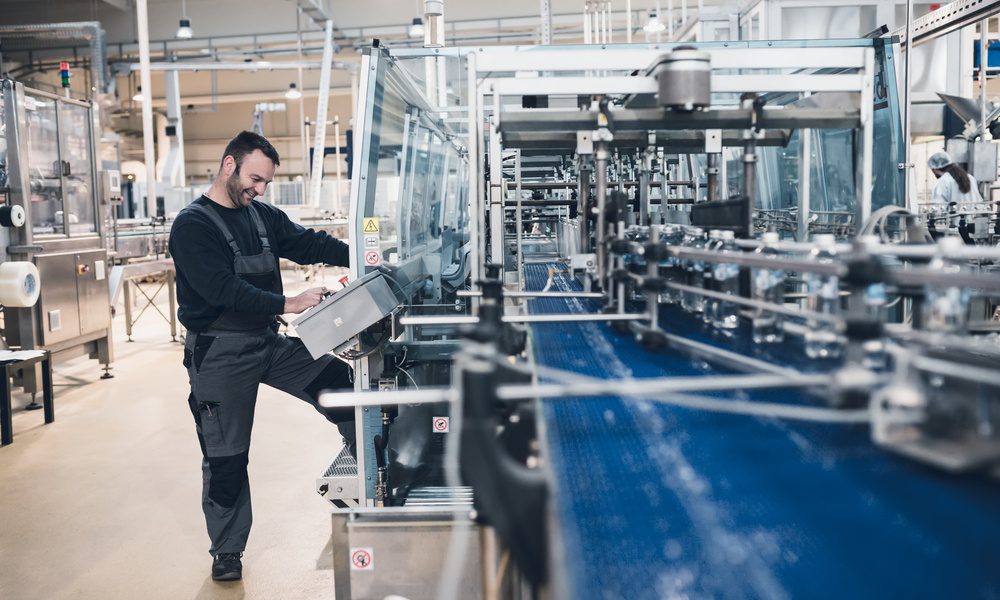
Plastics manufacturing equipment faces intense stress across all processes, from high-heat cycles to abrasive materials and nonstop production demands. Whether you’re molding packaging components or fabricating high-tolerance medical parts, machines wear faster when process control falls short. Instead of reacting to breakdowns, manufacturers can stretch equipment life by building smarter, repeatable strategies into everyday operations.
Use Material-Specific Settings and Controls
Running machines without tailoring controls to the resin type causes avoidable damage, especially with reinforced polymers or temperature-sensitive blends. Barrels and screws degrade faster when subjected to excessive pressure or incorrect dwell times. You extend the life of those parts by locking in material-based parameters for heat, feed rate, and backpressure.
For operations working across varied jobs, automated control systems simplify transitions while protecting hardware. Dialing in process settings based on known resin properties acts as a key tip for improving equipment longevity in plastics manufacturing because it prevents overloading machines with incompatible cycles. With data-driven adjustments, even legacy equipment can run smoother, longer, and more predictably.
Monitor and Replace Critical Wear Parts on Schedule
Many production lines suffer from delayed maintenance on low-cost components that quietly undermine machine performance. Screw tips, heater bands, or feed throats often wear unevenly depending on resin load or additive abrasiveness. If you wait for visible damage, you risk deeper failure that affects more expensive assemblies.
Instead, schedule part replacement intervals based on hourly use and specific material stress, not visual guesswork. In sectors like automotive or medical molding, that strategy prevents downtime tied to unexpected failures. By anticipating wear, you avoid missed quotas and emergency service costs with minimal disruption.
Create a Comprehensive Management Program
Without centralized documentation and planning, even well-trained teams miss signs of equipment fatigue. Maintenance logs, runtime tracking, and service milestones help identify problems early and confirm consistent process conditions across teams and shifts. With a comprehensive equipment management program, your machines gain structure that directly impacts uptime.
One overlooked tip for improving equipment longevity in plastics manufacturing involves standardizing tasks like mold changes, calibration checks, and lubrication routines. Digital tools and scheduling platforms make that process simple, especially in regulated fields like pharmaceutical packaging. Smart programs protect your equipment by creating a rhythm that your team can follow without guesswork.
Align Operator Training With Equipment Type
Operators directly influence how equipment performs under pressure. When someone skips proper startup sequencing or rushes cycle times, machines wear out faster and produce more scrap. Regular training refreshers reinforce small steps that keep systems aligned and stable.
Highly specialized machines—such as those used in micro-molding or multi-cavity tooling—demand more than basic operational knowledge. Vendors often provide on-site training that improves safety and reduces misuse. Certification programs also build confidence across teams while lowering the risk of expensive errors.
Optimize Environmental Conditions Around Equipment
Machines located in hot, humid, or dusty areas experience higher rates of failure across electronics and moving parts. Temperature swings affect calibration, while airborne particles clog fans, filters, and cooling systems. Relocating sensitive units away from open bays or installing environmental barriers gives you instant performance improvements.
In larger plants, isolating vibration-heavy machines also prevents damage to connected wiring or unstable tables. Facilities that use anti-vibration mounts and airflow regulation often report longer lifespans for both presses and supporting tools.
The right setting protects your investment long before the first part gets molded. To protect your systems and keep productivity high, start building smarter maintenance habits today.