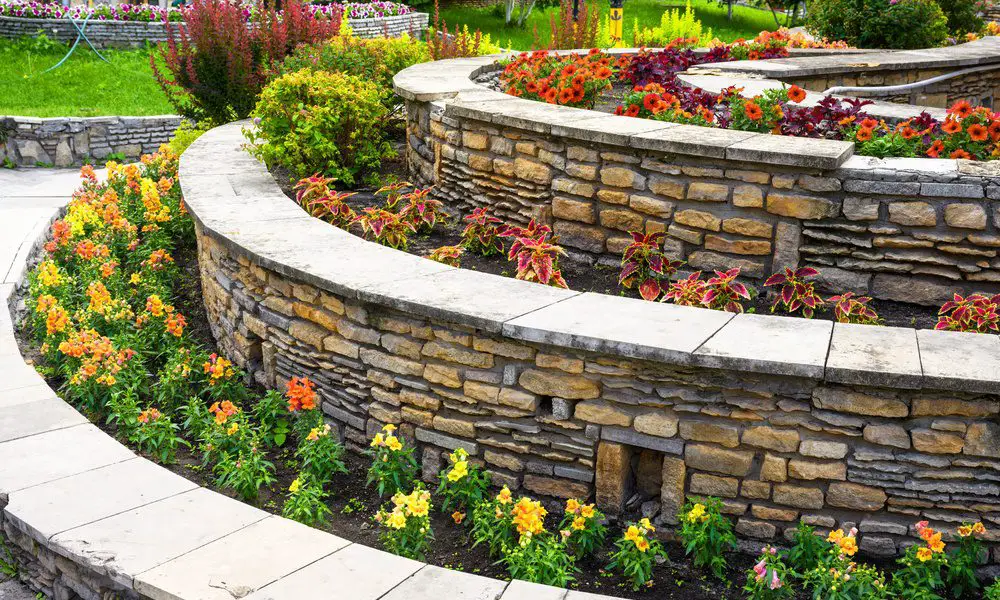
Retaining walls might look simple, but there’s a lot more going on than you realize. From clever engineering to unexpected history, these outdoor structures do more than just hold back dirt. Here are five fascinating facts about retaining walls that will change the way you see them in your backyard or neighborhood.
They’ve Been Used for Thousands of Years
People have been building retaining walls for thousands of years. The Incas, for example, used them to carve out flat fields on steep mountain slopes, turning wild land into productive farmland. These ancient terrace systems didn’t just keep the soil in place; they made it possible to grow food in incredibly challenging environments.
Their lasting strength shows just how well the basic idea works, even as new materials and techniques have come along.
They Bring More Than Erosion Control
While preventing erosion is important, retaining walls offer a lot more. For anyone dealing with a hilly yard, these walls can turn slopes into level areas for patios, gardens, or play spaces. What once felt like wasted space suddenly becomes an extension of your home.
Designing retaining walls on sloped terrain can give new life to a tricky yard. With the right plan, you can add flat spots for relaxing, better drainage, and a big boost to your property’s look and value.
Gravity Is the Key Player
There’s an ongoing tug-of-war with gravity every time you build a retaining wall. The wall’s job is to resist the sideways push of all that heavy soil behind it, using its own weight and design. If it’s not sturdy enough, gravity wins, and the wall might lean or fail.
Contractors rely on a few secrets to keep things rock solid.
- Good Drainage: Wet soil is heavier, so gravel and pipes behind the wall help keep water from building up pressure.
- A Solid Base: A flat, strong foundation keeps the wall from shifting over time.
- Back-leaning Shape: Many walls are tilted slightly into the hill, working with gravity to stay upright.
There’s a Wall for Every Situation
Not all retaining walls have the same structure. Gravity walls use their own weight for support and are the classics you often see in gardens. Cantilevered walls have a clever “L” shape under the ground to support extra weight. Sheet pile walls go deep, making them perfect for soggy ground or water edges. Anchored walls rely on strong cables for even bigger jobs.
They Make Landscaping More Sustainable
Retaining walls do a lot for the environment. By stopping erosion, they help keep soil and pollutants out of rivers and streams. They’re also perfect for terraced gardens, which can support a bigger variety of plants and handle runoff better. Innovative uses of retaining walls are the reasons why modern landscapes look great and help the planet, too.
These five fascinating facts about retaining walls show that they pack some serious purpose and creativity into every backyard or public space. They bring together function, beauty, and environmental benefits in ways many people overlook. The next time you see a retaining wall, you’ll know there’s much more behind it than meets the eye.