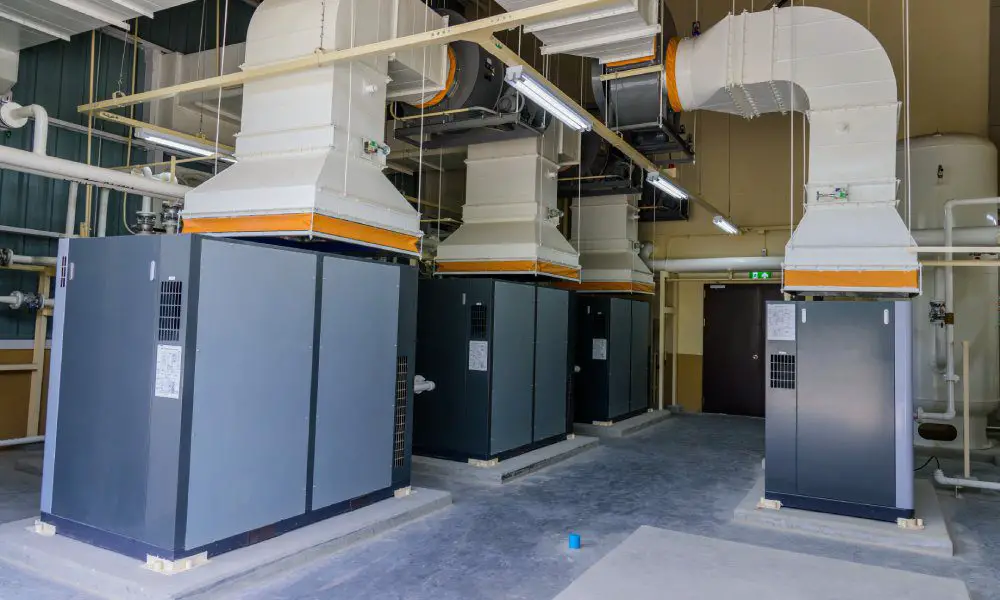
A two-stage air compressor is a powerful piece of machinery that many businesses rely on for daily operations. Like any piece of complex equipment, it requires regular care to function efficiently and avoid costly downtime. Proper maintenance prevents unexpected breakdowns and maximizes its operational lifespan, ensuring you get the most value out of your purchase.
Following a consistent care routine is the best strategy to keep your compressor in optimal condition. This guide will cover three ways to extend the life of your two-stage air compressor.
Regularly Check and Change the Oil
One of the most critical steps in maintaining your two-stage air compressor is to monitor the oil. The oil in the compressor lubricates moving parts, reduces friction, and dissipates heat generated during operation. Over time, dirt, debris, and moisture can contaminate the oil, which diminishes the compressor’s effectiveness.
Regularly checking the oil level and condition is essential. If you notice that the oil is dark, dirty, or milky, it’s time for an oil change. Adhering to the manufacturer’s recommended oil change schedule will prevent premature wear on internal components and help the machine run cooler and more efficiently.
Clean the Air Filters
The air filters on your compressor play a vital role in protecting it from airborne contaminants. These filters prevent dust, dirt, and other particles from entering the system and damaging the cylinders and pistons. When a filter becomes clogged, the compressor has to work harder to draw in air, which increases energy consumption and puts extra strain on the motor.
To avoid this, inspect the air filters frequently and clean or replace them as needed. A clean filter ensures a steady supply of clean air, which is crucial for the equipment’s performance and longevity. These simple tasks are some of the easiest ways to extend the life of your two-stage air compressor.
Drain Moisture From the Receiver Tank
Moisture is a natural byproduct of the air compression process. As air is compressed, water vapor condenses and collects in the receiver tank. If you don’t regularly drain this moisture, it can cause rust and corrosion inside the tank, weakening the tank’s structure and potentially contaminating the compressed air.
Draining the tank at the end of each workday is a good practice to prevent moisture buildup. Most tanks have drain valves at the bottom for this purpose. Keeping the tank dry maintains the metal’s integrity and ensures the air delivered to your tools is clean and free of moisture, protecting them from damage as well.
Regular maintenance is paramount to ensuring your two-stage air compressor operates efficiently and reliably. By diligently checking and changing the oil, cleaning the air filters, and inspecting for leaks, you can significantly extend your equipment’s life, prevent costly repairs, and maintain consistent performance. These proactive measures safeguard your investment and contribute to the smooth operation of your business for years to come.