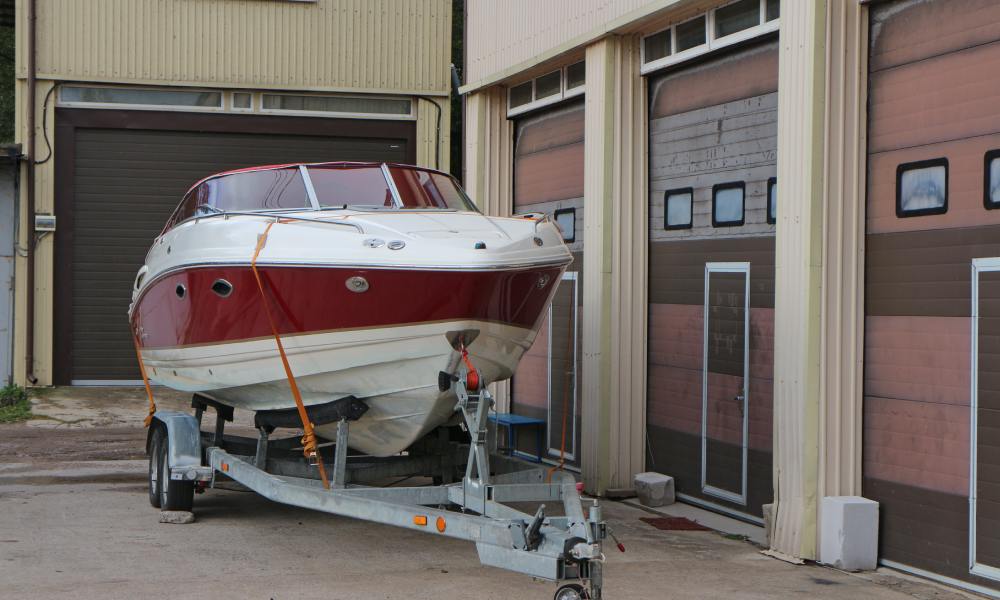
When the weather warms up and you’re in the mood to get out on the water, you take the tarp off your boat, and you’re ready to set sail. However, depending on how long your vessel has been in storage, you may need to perform some essential maintenance to keep things running smoothly. Here’s what to check before taking your boat out of storage in order to minimize problems and protect your investment.
Inspect Your Engine Components
It’s always a good idea to conduct a thorough engine examination. Make sure you top off all fluids, including oil, coolant, and transmission fluid. This inspection is a good time to check for any signs of leaks or corrosion that may have occurred during the storage period. Replace any fluids that appear contaminated or have been sitting for too long. Make sure you’re cleaning the connections and terminals to establish proper electrical function.
Check and Replace Spark Plugs
Many spark plugs wear down after extended storage periods, so it’s a good idea to change those. After removing your boat’s spark plugs, inspect them for signs of carbon buildup or electrode wear. You may want to consider replacing your plugs if you’ve been using them for more than one season, even if they seem functional. Fresh spark plugs ensure reliable engine performance.
Examine Your Fuel System
Another thing to check before taking your boat out of storage is the fuel system. Fuel lines may develop cracks, leaks, or other signs of deterioration. Check fuel filters and replace them if they appear dirty or clogged. Add fresh fuel to dilute any stale gasoline remaining in the tank. Consider using a fuel stabilizer if you haven’t already done so.
Test All Safety Equipment
Your boat’s safety equipment supports your first response to accidents that occur on the water, so take the time to make sure everything is working before casting off. You should check your VHF radio, GPS, and depth finder. Also, make sure your life jackets are in good condition and that you have a well-stocked first aid kit. Replace any expired or damaged safety items immediately.
Inspect the Hull and Trailer
You should also take this opportunity to examine your boat’s hull and trailer. Look for any cracks, blisters, or signs of damage that could have occurred during storage. Inspect trailer tires for adequate tread depth and proper inflation. Examine the wheel bearings, lights, and brake systems to make sure you can safely transport everything. Take a moment to lubricate the grease fittings and any moving parts on your trailer.
Thorough preparation ensures your boat performs reliably and safely throughout the season. Paying careful attention to these details greatly helps reduce the risk of problems once you’re out on the water, allowing you to enjoy your time on the boat without worrying.