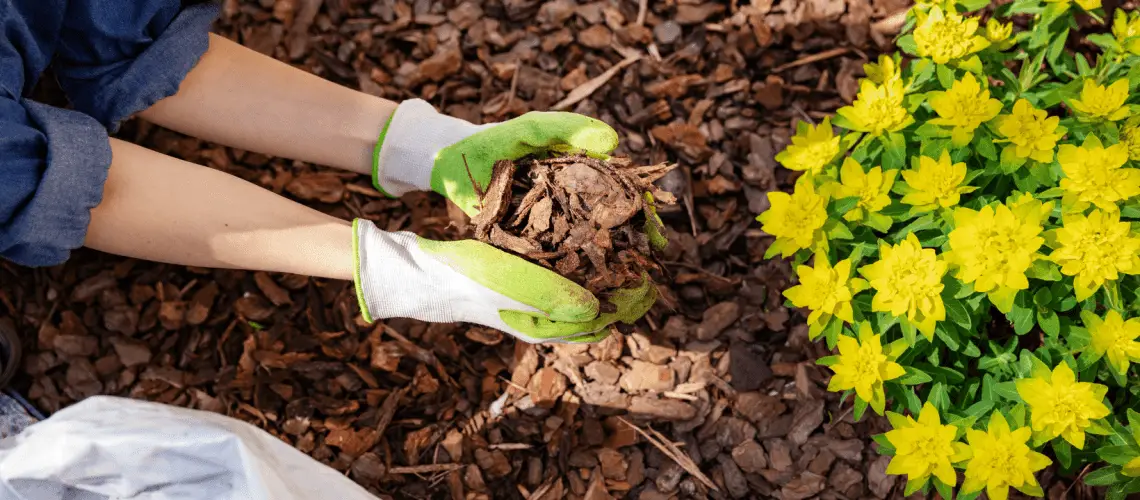
As autumn approaches, gardeners begin the annual transition from summer’s flourish to winter’s dormancy. Among the many seasonal rituals, few are as impactful—or as overlooked—as the application of mulch. While it may seem like a finishing touch to some, mulching in autumn is one of the most powerful and protective steps you can take to ensure your garden not only survives the colder months but thrives come spring.
Mulch, in its simplest form, is a protective layer placed over soil. It can be made from a variety of materials, both organic and inorganic, and serves a wide range of purposes depending on its composition and timing. In autumn, mulching is especially valuable, acting as a natural barrier against frost, erosion, moisture loss, and the relentless spread of weeds. When chosen and applied correctly, mulch becomes your garden’s first line of defence.
What makes autumn the ideal time to mulch lies in the condition of the soil itself. As the earth still holds warmth from the summer sun, the microbial life beneath the surface remains active. Applying mulch at this moment helps lock in that heat and protects the underground ecosystem from sudden temperature drops. This layer of insulation shields plant roots from the effects of early frosts and the dramatic fluctuations of a British winter.
Beyond warmth, mulch plays a critical role in preserving soil moisture. With the arrival of cold winds and the inconsistency of winter rainfall, exposed soil can quickly dry out or become compacted. A well-applied mulch helps stabilise the soil’s environment by reducing evaporation, keeping moisture where it’s needed most. This is particularly valuable for newly planted trees, shrubs, and perennials, whose roots are still establishing and vulnerable to dehydration during cold snaps.
Another key benefit of mulching in autumn is its ability to suppress unwanted plant growth. While many weeds lie dormant through the winter, some opportunistic varieties continue to germinate even in lower temperatures. A generous layer of mulch deprives them of the light they need to sprout, offering a chemical-free method of weed control that sets your garden up for a cleaner, easier start in spring.
Importantly, organic mulch brings the added advantage of nourishing the soil. As bark chips, compost, leaf mould, or straw slowly break down over the winter, they feed the soil with essential nutrients and foster beneficial organisms like earthworms and microbes. This decomposition process enriches the structure of your soil, encouraging aeration and drainage while improving its ability to retain moisture. In many ways, mulch not only protects the soil—it transforms it.
Expert guidance on how and when to mulch can make all the difference in results, especially for gardeners who are new to preparing for winter. Resources like Garden Machinery Direct offer not only the tools needed for autumn preparation, but also trusted advice to help you choose the right mulching materials and equipment for your space. With professional-grade machinery and supplies tailored for seasonal shifts, their insights help ensure your efforts are not only well-informed but effective throughout the colder months.
Selecting the right mulch material is an important decision and depends on the specific needs of your garden. Composted bark and wood chips are often favoured for flower beds and around shrubs, as they break down slowly and offer lasting protection. Leaf mould, made from collected autumn leaves, is another excellent option that blends easily into beds and borders while enriching the soil. Garden compost, if well rotted, provides a nutrient-rich blanket that is ideal for vegetable patches and fruit bushes. Straw works well in certain settings like dormant crops or over strawberries, although care must be taken as it can attract slugs. Well-rotted manure is particularly beneficial for heavy feeders like roses or fruit trees, while gravel or stone is more suitable for alpine or Mediterranean-style gardens where drainage is a top priority.
Applying mulch properly is just as important as choosing the right material. To be effective, it must be thick enough to insulate and suppress, but not so heavy that it suffocates the soil. The ideal depth tends to be around two to four inches, depending on the type of mulch used and the conditions of the area being treated. Before laying it down, it’s essential to clear away any weeds, fallen leaves, or diseased plant matter, as covering these can trap pests and pathogens beneath the surface. It’s also best to water the soil first to help preserve moisture and support the soil life that the mulch is intended to protect.
When spreading mulch, it’s important to keep a small gap around the base of plants, stems, and tree trunks. Allowing mulch to rest directly against plant bases can lead to rot and may create a haven for pests. By giving a few centimetres of breathing room, you maintain the benefits of insulation and weed suppression without risking damage to the plants themselves. As the season progresses, some mulches may compress or break down faster than others, so occasional topping up may be required to maintain an effective barrier.
Different areas of your garden will benefit from mulch in different ways. In vegetable beds, mulching after harvest helps replenish nutrients and protect bare soil from erosion. Perennial beds benefit from a post-prune mulch to insulate the crown and roots, while container plants and raised beds are especially vulnerable to cold and will appreciate a layer of mulch for root protection. Even lawns can benefit, indirectly, from mulched leaves that are shredded and allowed to settle into the grass, feeding it organically through winter.
Beyond the practical advantages, mulching can be a deeply satisfying act. It offers a sense of closure to the gardening year—a moment to reflect on the successes and challenges of the past season while laying the groundwork for what’s to come. There’s something grounding about spreading compost or raking up leaf mould, a final act of stewardship before the garden rests under the grey skies of winter.
What makes mulching such an important task is not only its immediate protective value but also its cumulative impact over time. Regular mulching builds healthier, more resilient soil. It reduces reliance on chemical fertilisers, prevents compaction, and supports the ecosystem beneath the surface. Over seasons and years, this leads to a garden that requires less intervention and produces more vibrantly.
In the quiet of late autumn, as flowers fade and leaves fall, mulch becomes your garden’s blanket—one that warms, nourishes, and strengthens until the first signs of spring emerge again. It is, in many ways, the final act of care that ensures the next season begins not in recovery, but in readiness.