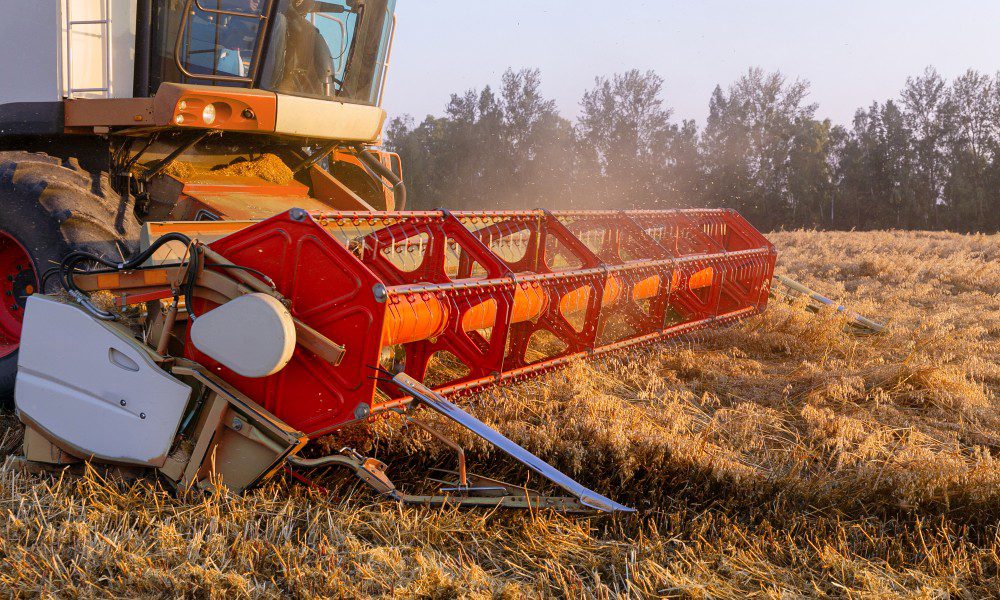
For many farmers, draper belts and harvest headers are integral to a successful harvest. However, there are still many misconceptions that persist about this crucial harvesting equipment. Many farmers believe that when it comes to draper belts, one size fits all. Below, we separate myths and facts about drapers belts for harvest headers.
Myth 1: All Draper Belts Are Created Equal
The reality is that draper belts vary significantly in quality, materials, and construction. A lower-quality belt might save you money upfront, but it can also cause premature wear, stretching, and failure.
High-quality belts use superior rubber compounds and fabric layers that can withstand the harsh conditions of harvest. They resist environmental factors such as UV light and temperature changes better than cheaper alternatives. Choosing the right belt for your specific crop and conditions directly impacts your header’s performance and the belt’s longevity, preventing costly interruptions when you can least afford them.
Myth 2: Belt Tension Is Not Important
Proper belt tension is critical for optimal function. Many operators either overtighten their belts, thinking tighter is better, or leave them too loose. Overtightening places excessive strain on the rollers, bearings, and the belt, which can cause premature failure of multiple components.
Conversely, a belt that is too loose can slip, resulting in uneven crop feeding, bunching, and potential belt damage. You should always follow the manufacturer’s specific guidelines for setting and maintaining the correct tension to guarantee smooth operation and extend the life of your header parts.
Myth 3: Any Repair Shop Can Fix a Draper Belt
Another myth about draper belts for harvest headers is that any regular repair shop can fix them, when in fact, repairing these belts requires special knowledge, training, tools, and materials. An improper repair, such as using the wrong lacing or adhesive, can create a weak spot that is likely to fail under harvest stress. This failure causes more downtime and can lead to more extensive damage to the header. Always seek a certified technician or dealer with specific experience in draper belt repair to ensure a durable, reliable fix.
Myth 4: You Can Skip Regular Inspections
Ignoring regular maintenance is one of the most common causes of draper belt failure. You should conduct routine inspections to catch potential problems before they become serious. Preventative maintenance is important for draper belts as it extends the belt’s service and minimizes costly downtime.
During these checks, look for signs of wear, such as cracking, fraying edges, or damage to the cleats and lacing. Also, verify proper tracking and verify that the debris does not accumulate around the rollers. A few minutes spent on a pre-harvest or daily inspection can save you hours of downtime and significant repair costs later.
Maximizing Your Harvest with Quality and Care
By moving past these common myths, you can take control of your harvest header’s performance. Investing in high-quality draper belts, maintaining proper tension, relying on expert repairs, and conducting regular inspections are fundamental practices. These steps ensure your equipment operates reliably and efficiently throughout the season.