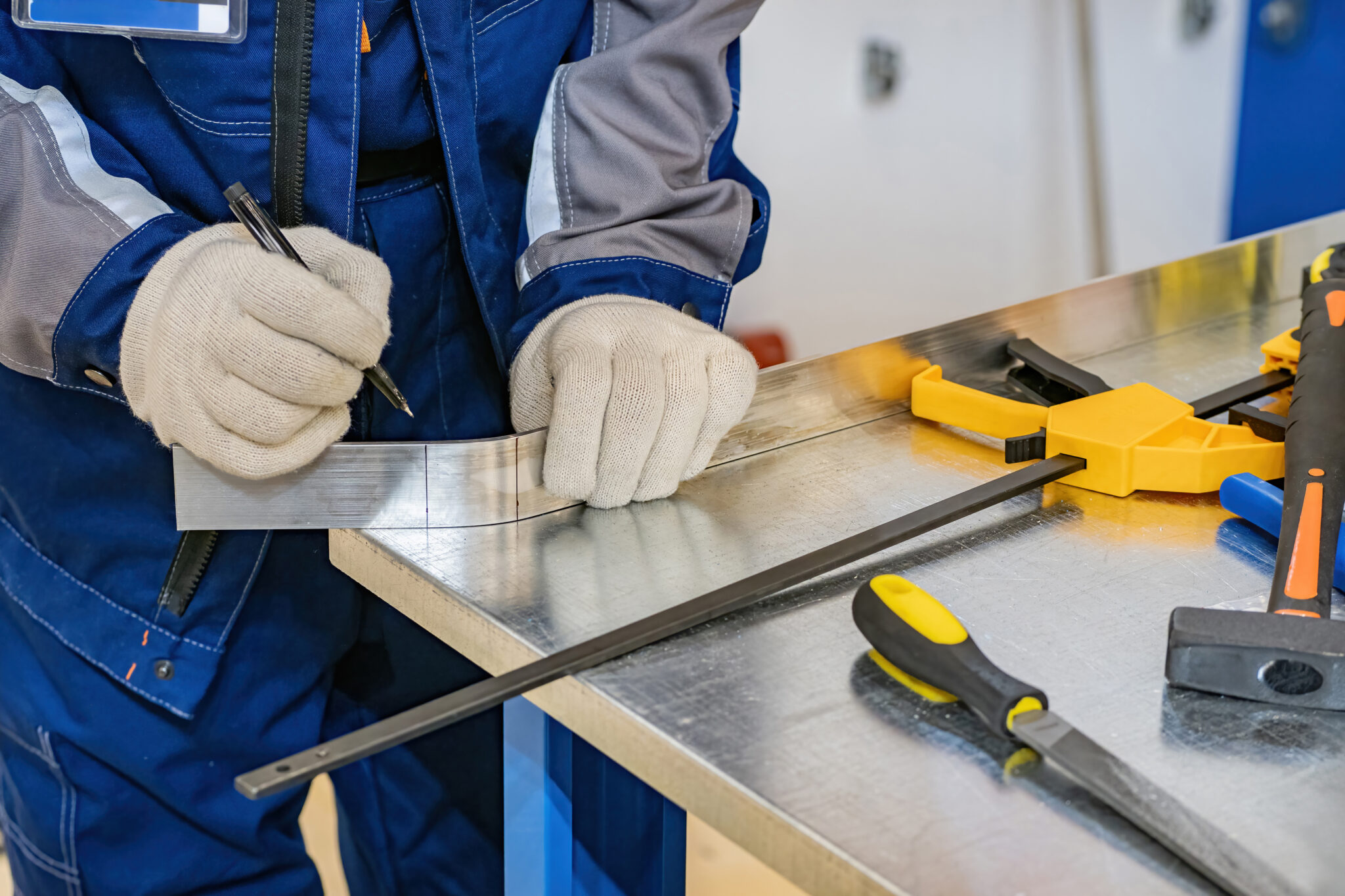
Metalworking opens up a world of creative and practical possibilities. You can craft custom furniture, repair household items, or build artistic sculptures. However, jumping into metalworking without proper preparation can lead to frustration, wasted materials, and safety hazards.
Before you fire up that first torch or pick up a hammer, there are several things to consider before your metalworking starts. Understanding these fundamentals will save you time, money, and potential injuries while setting you up for rewarding projects.
Choose Your First Projects Wisely
Starting with overly ambitious projects sets you up for disappointment. Begin with simple items that teach fundamental skills without overwhelming complexity.
Good beginner projects include:
- Decorative wall hooks
- Simple garden stakes
- Basic bookends
- Keychains or bottle openers
- Small repair jobs around the house
These projects teach techniques like measuring, cutting, filing, and joining metal pieces. They also build confidence while producing useful items you’ll actually want to keep or give as gifts.
Essential Safety Equipment Comes First
Metalworking involves extreme temperatures, sharp edges, and flying sparks. Your safety gear isn’t optional, it’s the foundation of everything you’ll do.
Start with proper eye protection. Regular reading glasses won’t cut it. You need safety glasses or face shields rated for metalworking. Hot metal fragments can cause permanent eye damage in seconds.
Heat-resistant gloves protect your hands from burns and cuts. Look for welding gloves made from leather or heat-resistant synthetic materials. Cotton work gloves will melt and stick to your skin.
A leather apron shields your body and clothes from sparks and hot metal splatter. Cotton and synthetic fabrics can ignite, making leather the safer choice for metalworking.
Set Up Your Workspace Properly
Your workspace directly impacts both safety and project quality. Poor setups lead to accidents and subpar results.
Ventilation ranks as your top priority. Metal fumes and grinding dust can cause serious respiratory problems. Work outdoors when possible, or install proper exhaust fans in enclosed spaces.
Fire safety equipment should always be within reach. Keep a fire extinguisher rated for metal fires nearby. Water can actually spread certain metal fires, making proper extinguishers key tools.
Understand Your Tools and Their Limitations
Quality tools make metalworking more enjoyable and produce better results. However, you don’t need professional-grade equipment when starting out.
A basic angle grinder handles many cutting and shaping tasks. When cutting with a circular saw blade, make sure you have one specifically designed for metal. Standard wood-cutting blades will dull quickly and can shatter dangerously.
Files and sandpaper smooth rough edges and create precise finishes. Start with coarse grits and progress to finer ones for professional-looking results.
Learn the Properties of Different Metals
Not all metals behave the same way. Understanding basic metal properties helps you choose the right material for each project and work with it effectively.
Aluminum cuts and shapes easily but requires special techniques for welding. Steel offers strength and versatility but rusts without proper protection. Copper looks beautiful but costs significantly more than steel or aluminum.
Take Your Time to Build Skills
Metalworking rewards patience and practice. Rushing leads to mistakes, wasted materials, and potential injuries. There’s lots to consider when starting metalworking, so focus on learning one technique at a time rather than trying to master everything simultaneously.
Consider taking a basic metalworking class at a community college or maker space. Hands-on instruction accelerates learning and helps you avoid developing bad habits that are hard to break later.