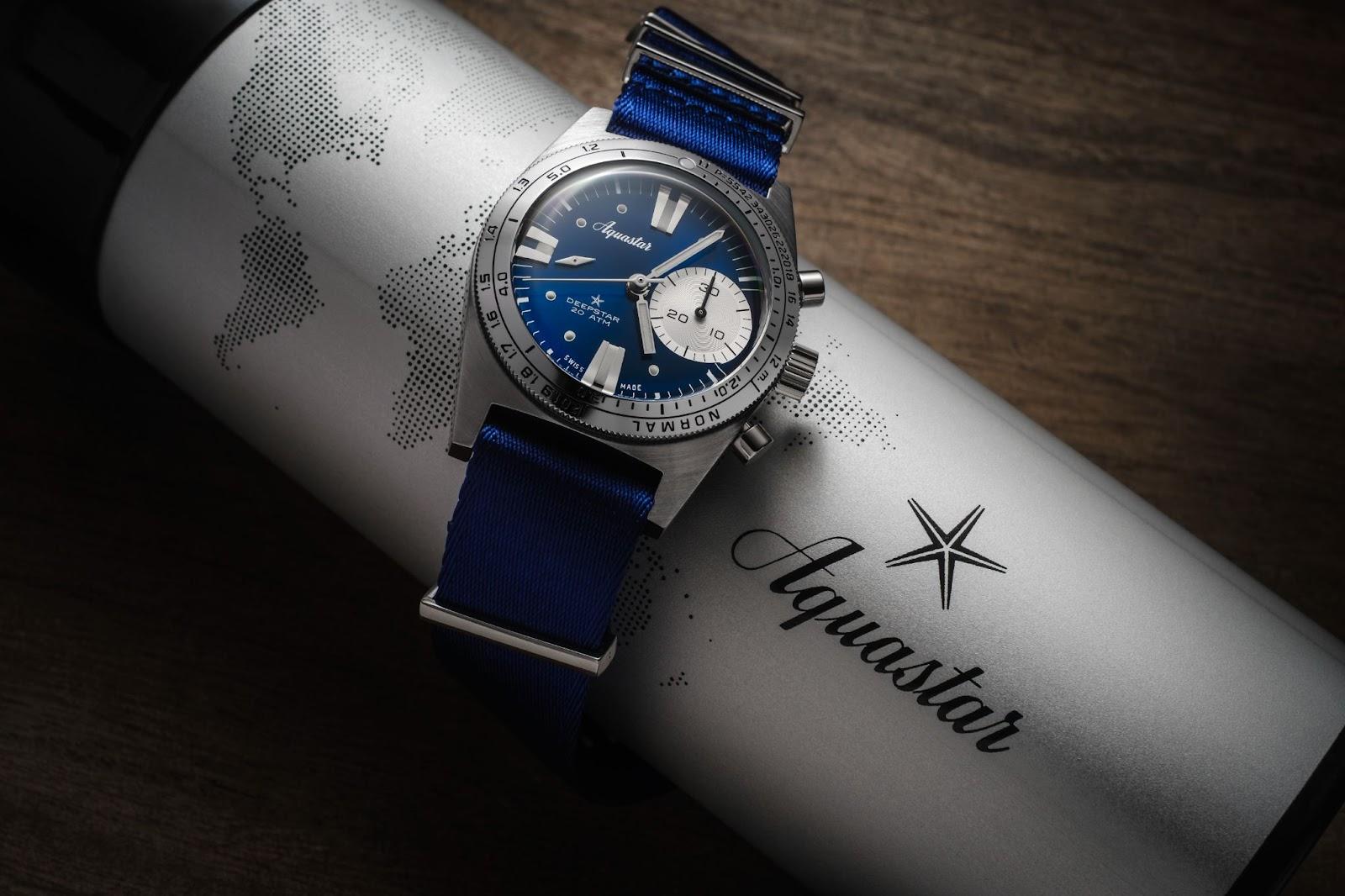
Hey there, fellow dive enthusiast! 🐋 So, you’ve invested in a killer dive watch—maybe a Seiko Prospex, a Rolex Submariner, or a trusty Aquastar—and you’re ready to take it down to the abyss (or at least your local reef). But hold up: saltwater, pressure, sand, and that one time you accidentally slammed it against a boat ladder… dive watches are tough, but they’re not invincible.
Let’s get real for a second. A dive watch isn’t just a tool; it’s your underwater lifeline. You wouldn’t ignore your regulator’s maintenance, right? Same goes for your watch. Whether you’re a weekend warrior or a saturation diving pro, this guide’s gonna spill the tea on how to keep your dive watch ticking like a champ, even when life (or the ocean) throws the worst at it.
You just surfaced from a salty adventure. Congrats! Now, your watch is probably screaming, “RINSE ME, YOU MONSTER.” Saltwater is the #1 enemy of dive watches. It’s corrosive, sneaky, and will turn your shiny bezel into a rusty relic if you’re lazy.
Here’s the drill:
- Freshwater rinse ASAP: Don’t wait. Dunk your watch in freshwater (not your beer, dude) the moment you’re back on dry land. Scrub gently with a soft toothbrush to get salt crystals out of crevices.
- Soap? Maybe: If it’s extra grimy, use mild soap. Avoid harsh chemicals—they’ll eat through gaskets faster than a hungry shark.
- Dry it like you mean it: Pat it dry with a microfiber cloth. No shaking! Water trapped under the crown? Unscrew it after drying to let moisture escape.
Pro Tip: If you’ve been diving in silt or sand, check the bezel. Grit can jam it up. Rotate it under running water to flush debris.
O-Rings: The Unsung Heroes (Don’t Let Them Die!)
Those tiny rubber O-rings are the MVPs of your watch’s water resistance. But they’re like avocado halves—they go bad if you ignore ’em.
O-Ring Care 101:
- Grease is your friend: Every 6–12 months, pop open the case back (if you’re brave) or take it to a pro. Apply a tiny amount of silicone grease to the O-rings to keep them supple.
- Inspect for cracks: Stretch them gently (don’t snap them!). If they look dry or cracked, replace ’em. ASAP.
- Crown etiquette: Always screw down the crown tightly before diving. A loose crown = a flooded watch = 💸💸💸.
Story Time: My buddy once forgot to grease his O-rings for two years. His “waterproof” watch fogged up during a pool session. Don’t be my buddy.

Pressure Testing: Because “Trust Me, Bro” Isn’t a Strategy
You wouldn’t skydive with a parachute packed by a toddler. So why dive without pressure-testing your watch? Most brands recommend testing every 1–2 years.
How it works:
A watchmaker sticks your watch in a machine that mimics deep-sea pressure. If it passes, you’re golden. If not… well, better to find out in a lab than at 30 meters.
DIY? Nope. Leave this to pros. Messing with pressure chambers at home is a recipe for disaster (and explaining to your spouse why the garage flooded).
Battery Blues: Don’t Let It Die Mid-Dive
If your watch is quartz, the battery’s gotta go someday. But changing it yourself? Risky.
Why?
- Every time you open the case, you risk damaging the O-rings or letting dust in.
- Pros reseal and pressure-test it afterward. You’ve got a Ziploc bag and hope.
When to panic: If your watch’s battery indicator (looking at you, Casio) starts blinking, replace it before your next dive. A dead battery in the deep = useless backup timer.
Scratches, Dings, and “Oh Crap” Moments
Your watch is a tool, not a museum piece. But scratches on the crystal? They’re not just ugly—they can weaken structural integrity.
Fixes for the Clumsy:
- Polywatch for acrylic crystals: Buff out light scratches with this magic paste.
- Sapphire crystal? Forget it. You’ll need a pro. Sapphire is scratch-resistant but shatters like your ego if you hit it hard.
- Bezel dings: Use a toothpaste-dabbed cloth to polish minor scuffs. Deep gashes? Embrace the “well-loved” look.
Storage: Don’t Toss It in a Sock Drawer
Storing your dive watch in a humid bathroom or a freezing garage? You’re basically giving it a death sentence.
Do this instead:
- Keep it in a cool, dry place. A watch box with silica gel packets works wonders.
- Wind it monthly (for automatics): Letting the movement sit idle can cause lubricants to gum up.
- Loosen the crown: If storing long-term, unscrew the crown slightly to relieve pressure on gaskets.

When to Call a Pro (aka “Stop Googling ‘How to Fix My Watch’!”)
Look, I get it. You’re handy with a screwdriver. But dive watches are intricate AF. Here’s when to swallow your pride:
- Condensation under the glass: Moisture inside = immediate SOS.
- The crown feels “gritty”: Could indicate sand or corrosion in the stem.
- It’s losing time like a procrastinator: Might need movement servicing.
Pro Move: Build a relationship with a reputable watchmaker. They’ll give you the side-eye less when you bring in your mud-caked G-Shock.
Upgrades to Boost Longevity
Want your watch to outlive your mortgage? Consider these mods:
- Aftermarket O-rings: Higher-quality silicone for extreme conditions.
- Crystal upgrade: Swap to sapphire for scratch resistance.
- Bracelet overhaul: Replace jangly bracelets with NATO straps for less stress on lugs.
Final Word: Your Watch is a Partner, Not a Prop
A dive watch isn’t just for flexing on Instagram. It’s a piece of engineering that deserves respect. Treat it right, and it’ll survive hellish depths, sandstorms, and even your questionable life choices.
So next time you’re rinsing your gear, give your watch a little extra love. And if all else fails? Remember: Duct tape is temporary. A service center is forever.
Now go dive—and keep that ticker ticking. 🌊⏱