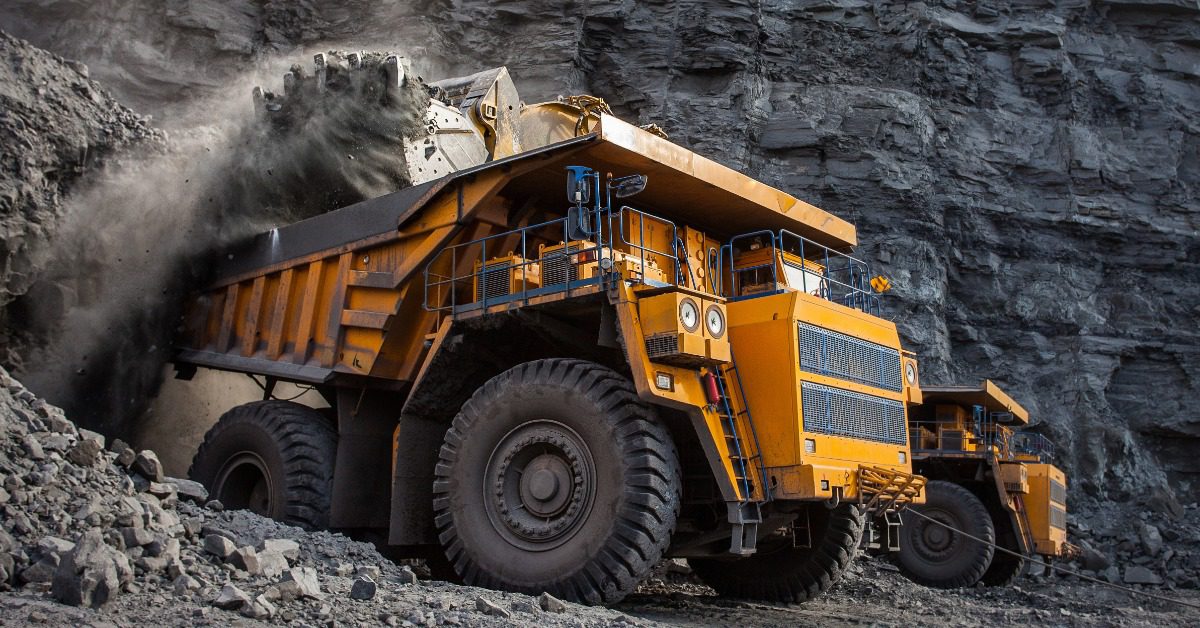
Mining equipment operates in some of the toughest conditions imaginable, so wear is always part of the job. The key is how quickly that wear builds up and whether you catch it before it turns into expensive downtime.
If you want to extend the life of heavy equipment in a mine, focus on what happens every day on the ground, not just what gets fixed in the workshop. Explore the maintenance decisions and daily habits that keep your machines running.
Start With the Way Operators Use the Machine
Even when you run identical machines, you may notice they don’t always age the same way. That often comes down to how people operate them. A heavy hand on the controls or repeated aggressive movements slowly adds stress to components that may not show damage right away.
This is where operator awareness really pays off. When operators understand how their choices affect wear, they naturally protect the machine without needing constant reminders from maintenance teams. Focus less on rules and more on helping them see the connection between their actions in the cab and what appears later in the workshop.
Treat Operators as an Early Warning System
Operators usually notice first when something feels off. They hear a new noise, notice a slight change in response, or pick up on something that doesn’t quite match the machine’s usual behavior. Make it easy for them to speak up so those small observations become early warnings rather than missed opportunities.
Build Inspections Into Every Shift
A quick walkaround before a shift might not seem like much, but it often reveals issues that would otherwise get worse under load. Don’t look for anything complicated, just obvious signs that something isn’t right before the machine goes back to work.
Consistency is key. Don’t let inspections depend on memory or individual habits. Keep things structured! A simple routine keeps everyone on the same page and ensures nothing gets overlooked.
Keep Lubrication on Schedule
Lubrication may not be the most exciting part of maintenance, but it’s one of the easiest ways to extend equipment life. Missing service intervals lets friction build up and causes components to wear faster than they should.
The real challenge is keeping everything consistent across a busy site. Machines move between locations and operators, and service history can easily get lost in the shuffle. That’s why clear records matter so much. When you see exactly what’s been done and what’s due next, you avoid gaps that lead to unnecessary wear.
Pay Attention to Driveline Health
The driveline quietly carries a lot of responsibility because it transfers power through components that constantly endure stress. Often, lubrication drops off, or crews skip inspections. This is one of the most common causes of driveline failures that may not appear right away.
Instead of reacting to vibration or obvious performance issues, treat driveline checks as part of routine servicing. When technicians regularly inspect these components, they spot early signs of wear before it becomes a bigger problem.
Investigate Changes Instead of Working Around Them
It’s easy to ignore a small vibration or a slight change in performance when the machine is still working, but that’s usually when you miss the best opportunity to prevent damage. If something feels different, slow down and check it properly. Treat those changes as clues, not inconveniences.
Control Contamination Before Damage Spreads
Mining environments are tough on equipment because abrasive material is everywhere. Once contamination enters systems that rely on clean lubrication, wear accelerates quickly. That’s why fluid condition serves as such a useful indicator of machine health.
Good contamination control also depends on how carefully you handle equipment during servicing. Clean practices during repairs may seem small in the moment, but they protect expensive components once the machine returns to operation and under load.
Watch Undercarriage Wear Closely
If you run tracked equipment, the undercarriage is one of the most expensive wear areas you’ll deal with. It often represents a major portion of maintenance costs, which is why it deserves regular attention. Even site conditions can change how quickly components degrade, so pay attention to both the machine and its environment.
Cleaning also matters more than people sometimes realize. When material builds up in the undercarriage, it adds extra stress and hides early signs of wear. Keeping it clean offers a clearer picture of what’s actually happening and helps you plan replacements rather than react to failures.
Use Equipment Data Before Failure
Modern machines provide far more information than earlier models, and you can use that data to spot problems long before a breakdown happens. Komatsu’s monitoring systems, for example, let teams track equipment health from the field or a central location.
The real value comes when you act on what the data reveals. If a machine shows unusual readings, investigate the cause instead of waiting for the next scheduled shutdown.
Combine Data With What Crews See
Data alone doesn’t tell the full story. It becomes much more useful when you pair it with what operators and technicians observe on the ground. When an alert aligns with a field report, you gain much clearer direction for maintenance.
Repair With the Full Life Cycle in Mind
You may feel tempted to choose the quickest or cheapest repair option, but that doesn’t always yield the best long-term result. Match your repair approach to how long you plan to keep the machine in service.
Always connect repair decisions with overall ownership strategy. Sometimes a rebuild makes more sense than a simple replacement, especially if the machine still has plenty of usable life left. Maintain good maintenance records to make these decisions easier.
Protect More Hours From Every Machine
Mining equipment will always wear out because the work demands it. However, you still control how fast that happens. Focus on daily habits and timely maintenance to stretch the useful life of every machine.
If you step back and look at the bigger picture, you’ll see that small decisions repeated across every shift make the difference. Catch issues early, stick to service schedules, and pay attention when something changes. That’s how mines can extend the life of heavy equipment.